



 Reading time: 2 minutes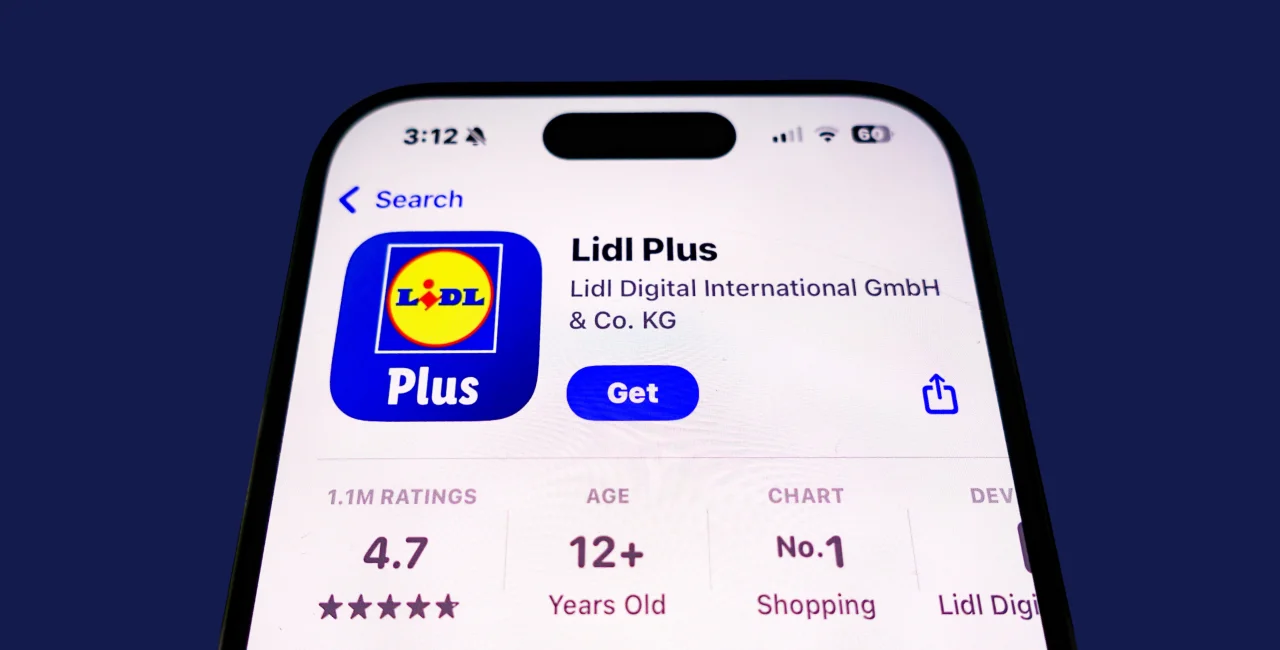

 Summary for: Don’t pay double: How to avoid getting overcharged at Lidl
UPDATE: Lidl has since ended its discounts tied to selecting a favorite store in its app after media coverage, customer backlash, and criticism from the Consumer Protection Association, which called the practice discriminatory. "We will continue to offer customers discounts in various formats, but in a much simpler form," a spokeswoman said.
Discount supermarket chain Lidl is under scrutiny in the Czech Republic for offering select in-store discounts only to customers who use its mobile app and designate a specific store as their “favorite.” Customers without the app—or those who haven’t selected the correct store—pay full price, a practice critics say raises concerns over fairness and accessibility.

Shoppers first noticed the policy in fine print on store price tags, prompting complaints on social media. One label offering 50 percent off chocolate, for instance, noted the discount applied solely to those who had marked the location as a favorite in the Lidl Plus app.
Consumer advocates argue that the practice disproportionately affects certain groups. “This excludes an entire group of people—seniors, those without smartphones or internet access, or individuals who prioritize privacy,” said Ondřej Zelenka, chair of the Consumer Protection Association. “It creates a digital barrier that contradicts fair access to goods and services,” Zelenka added.
Consumers should not be forced to track, register or provide personal information just to be able to shop at prices that are publicly advertised as advantageous, he said.
Chain defends itself
Lidl spokesperson Eliška Froschová Stehlíková defended the policy, saying store-specific discounts help manage inventory and reduce food waste. “Stock levels may vary by location,” she said, adding that customers can switch store preferences in the app within seconds. She also maintained that everyone was able to download the app.

Despite growing public concern, the Czech Trade Inspection Authority does not view Lidl’s policy as discriminatory. “Access to loyalty programs or applications is the same for everyone, and participation is voluntary,” said spokesman František Kotrba. “No specific consumer group is excluded by design.”
 English
(Advanced)
English
(Advanced) Slovenian
(Proficient)
Slovenian
(Proficient)
He noted that requiring customers to register and share personal data to access publicized discounts is problematic. He called for stores to offer both digital and physical loyalty options.
Authorities in Czechia have already clamped down on supermarkets in Czechia offering “fake discounts”—artificially increasing prices for a select period of time before reducing them, to seem as though a large discount has been applied.
The transition toward digital-only programs has accelerated among Czech retailers. Albert, another major chain, has already phased out plastic loyalty cards entirely in favor of app-based systems.