



 Reading time: 4 minutes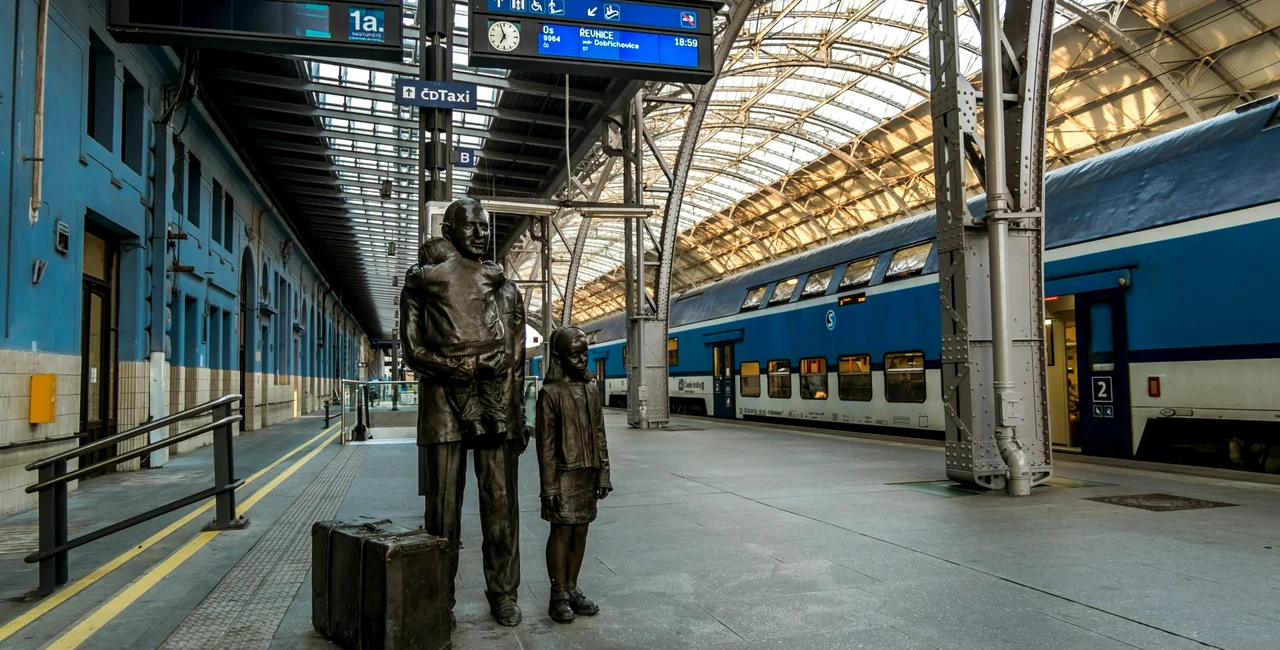

 Summary for: Why the ‘expat tier’ should care about Czechia’s hardline migration pivot
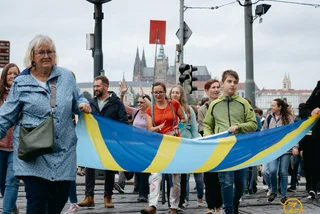
On Thursday, Dec. 18, faith leaders and activists will gather at the Nicolas Winton statue on Platform 1 of Prague’s Main Railway Station with a message: the gathering storm of hardline immigration policies affects us all.
The event, which begins at 6 p.m., is timed to coincide with International Migrants Day and will transition into a cultural program in the station’s main hall at 7 p.m.

The location is a symbolic one. The statue commemorates Winton, the British humanitarian whose Kindertransport saved 669 predominantly Jewish children from the Holocaust. The site also serves as a reminder of the 1.2 million Ukrainian refugees who passed through these same halls in the spring of 2022.
The vigil comes at a politically charged moment. This week, the new right-leaning Czech government announced plans to reject the European Union’s New Pact on Migration and Asylum, committing instead to a zero-tolerance policy for illegal migration.
Petr Pijáček, a social worker and integration coordinator, says the rise in xenophobic rhetoric accompanying the new government brings a new sort of symbolism to Platform 1: “The spirit we see now is the same hate language that started the Second World War."
Pijáček also points out how new policies will erode the infrastructure that supports all foreigners, not just those in crisis.
“Migrants and refugees will be among the first targets,” Pijáček says. “Free-of-charge legal and social support, intercultural workers, and translators—the volume of these services will decrease. They want to make the Czech Republic as least hospitable to foreigners as possible."
Pijáček fears funding cuts similar to those seen in recent political shifts in the U.S. where humanitarian aid has been frozen or redirected. He warns that if proposed stricter asylum laws pass in January, the impact could be profound.
“It will hit our hospitals and schools,” he says, “institutions that rely on NGO-provided social work to function in an increasingly international society."
If you have ever used a free legal consultant for your visa, attended a subsidized Czech language course, or relied on an intercultural worker to help enroll your child in school, then you have benefited from the very funds that are now in danger.
The support infrastructure could even exten to classroom aids and policies designed to support non-Czech speaking students.
Human and economic costs
Beyond the humanitarian toll, Pijáček stresses that these policies are a form of economic self-harm. With the Czech Republic facing persistent labor shortages in the health, social, and industrial sectors, a hardening stance on migration risks crippling national growth.
By labeling NGOs as “political enemies” and reducing the state’s hospitality, the country risks losing the very workforce that sustains its overextended public services, he adds.

"Our overheated industry will have more problems," Pijáček notes. "We need these services in schools and hospitals. Hardening these conditions will ultimately cripple the economic growth of the Republic."
The gathering is also a protest against what Pijáček describes as “unchristian” behavior within the highest levels of the Czech establishment. For Pijáček, who is a practicing Catholic, the hardening of policy is mirrored by a disappointing silence from his own religious community.
“I am a Catholic, but part of the Czech Catholic Church is full of bigots,” he says bluntly. "We hear voices from representatives calling migrants and refugees a ‘threat.’ There is no clear support from the leading figures of the Church...only silence from the top."
He argues that politicians and some religious leaders are building “political profit on hatred” in a way that is fundamentally “non-biblical.”
Government response
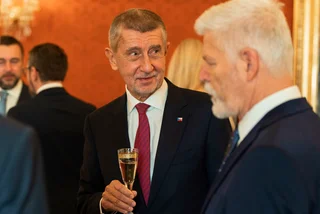
For its part, the Babiš administration argues that its rejection of EU quotas and the “principle of solidarity” this week is a response to “significant migratory pressure.”
Interior Minister Lubomír Metnar has stated that the upcoming national asylum law will be “clear and fair,” granting protection only in “exceptional, precisely defined cases” to ensure maximum security for Czech citizens.

While English-speaking expats, or what Pijáček dubs “high-value” expats, may feel shielded by their status, Pijáček warns that these policies will eventually reach everyone. For now, however, he says that vulnerable Ukrainian refugees, including the elderly and Roma, will be most affected.
Among the participants of the event is Iniciativa Hlavák, a volunteer group dedicated to assisting those who have been forced to flee their homes since 2015. The group’s mission is centered on the common thread of the journey through Prague’s Main Station. In addition, Muslim, Evangelical, and Ukrainian faith leaders will attend.
While the influx of Ukrainian refugees has fallen to under 2,500 arrivals monthly, the initiative is seeing an increase in the attacks on foreigners and aggression from politicians in connection with the extreme right worldwide that are positioning migrants and refugees as a threat, says Pijáček.
His message to any foreigner feeling the shift: “You are not alone. Reach out to NGOs—the services are provided free of charge. We need volunteers and translators to create bonds that fight this. Don’t stay isolated with your hardship.”
The gathering takes place on Dec. 18, 6 p.m. at the Nicolas Winton Statue (Platform 1, Hlavní nádraží), and will transition into a cultural program at 7 p.m. See the Facebook event for more details.