


Oil wars vs. your daily commute: Why public transport is already feeling the pressure

As lawmakers debate 'outrageous' fuel prices on Monday, more Czechs are turning to public transport; rail officials warn networks are stretched thin.

Expats.cz Staff ČTK

Written by Expats.cz StaffČTK Published on 30.03.2026 09:27:00 (updated on 30.03.2026) Reading time: 2 minutes

Commuters across Czechia are already feeling the ripple effects of a conflict thousands of kilometers away as fuel prices rise in the wake of U.S.-Israeli attacks on Iran that began in late February.

The subsequent threats to the Strait of Hormuz, a key global oil route, have seen Brent crude climb sharply as markets reacted to mounting geopolitical risk, pushing up petrol and diesel costs at home and abroad.

For drivers in Czechia, the impact has been immediate. Many motorists filled their tanks and even canisters in recent weeks to hedge against rising prices, reports iDnes.cz.

"Drivers who are price-sensitive and filled their tanks at the beginning of the crisis still have leftovers from these supplies," says Ivan Indráček, chairman of the Union of Independent Petroleum Workers of the Czech Republic.

Public transport complications ahead?

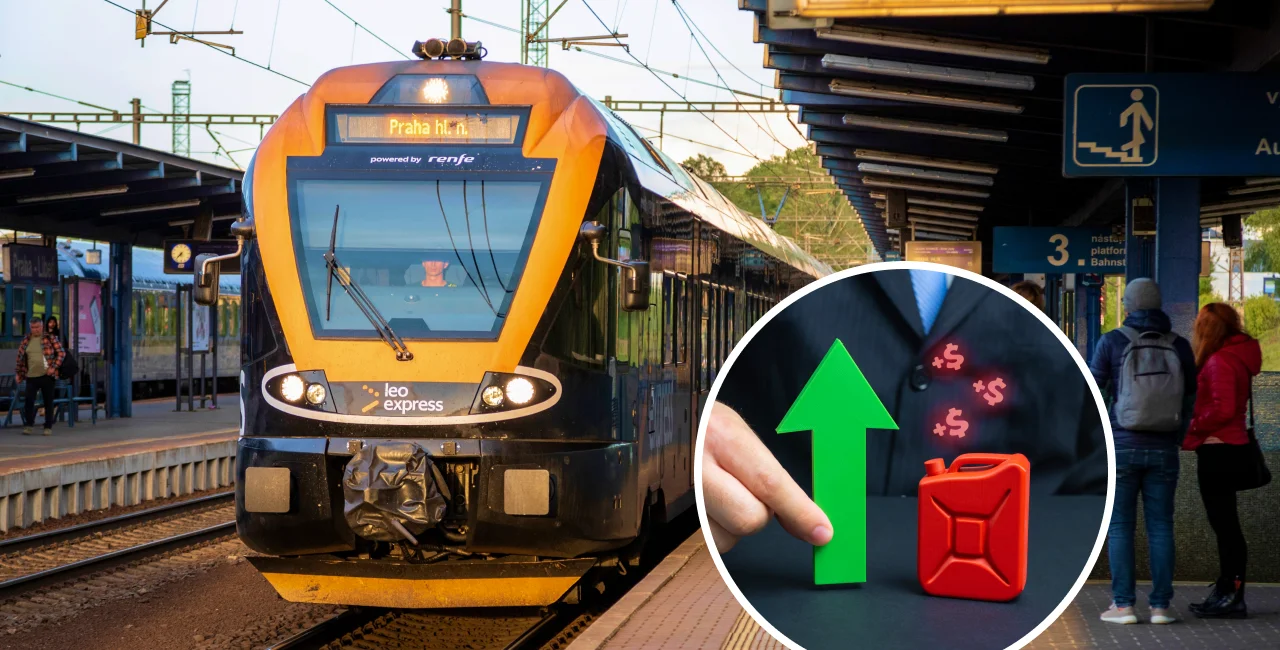
But the strain isn't confined to individual drivers. A notable uptick in interest in public transport has already been recorded, one that is leading to higher ticket prices and possible future strain on commuter routes.

According to iDnes.cz, Leo Express has reported increased ticket sales with RegioJet running trains at near-capacity. Regional transport representatives are also warning that infrastructure on key suburban routes, including busy lines from Prague to Kolín and Benešov, is already stretched.

"On the busiest routes, current options do not allow for a significant increase in passengers," says Petr Borecký, Central Bohemian Councilor for Transport.

Every business has a story. Let's make yours heard. Click here