 Reading time: 2 minutes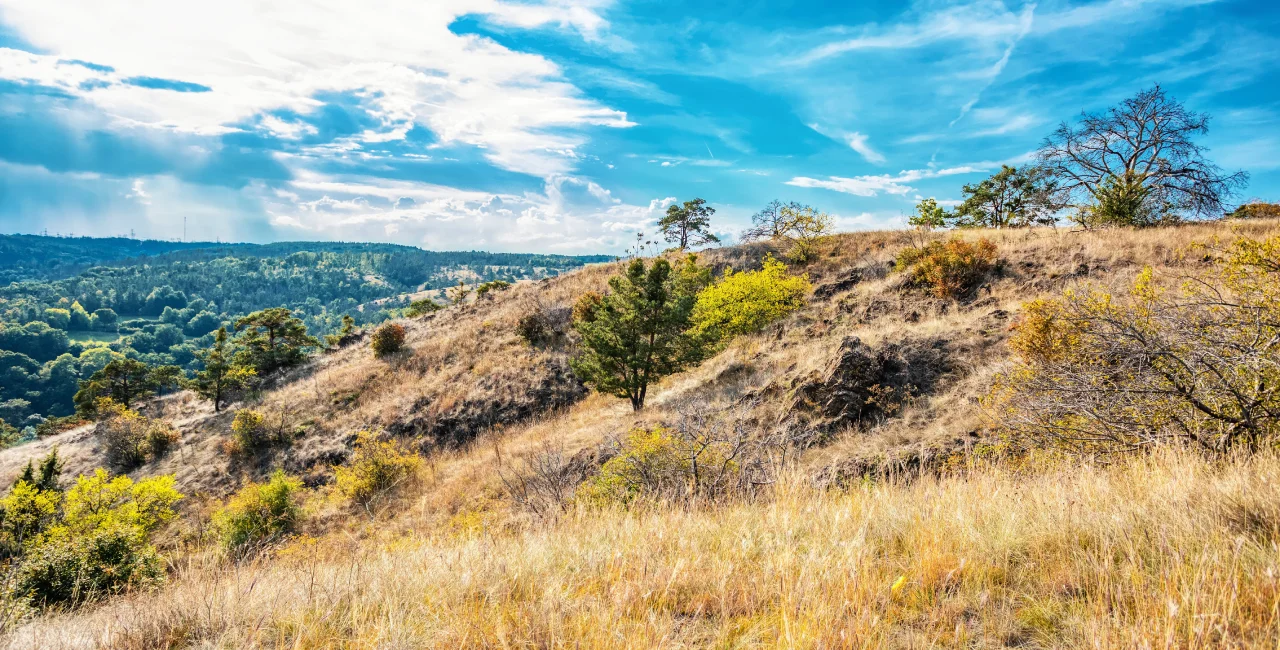

 Summary for: Fire warnings issued across Czechia in midst of historic drought
Czechia is experiencing its most severe spring drought in more than six decades, with meteorologists warning of increased wildfire risk across large parts of the country.
The Czech Hydrometeorological Institute (ČHMÚ) has issued fire warnings for a broad belt stretching from the Ústí nad Labem region through central Bohemia to southern Moravia, as unusually dry and warm conditions continue to affect soil moisture levels and vegetation.

Authorities say the combination of long-term rainfall deficits and rising temperatures has created conditions that significantly increase the risk of fires in forests and open landscapes.
Fire risk spreads across Czechia
The fire warning currently applies to multiple regions, including Prague, Central Bohemia, South Bohemia, Pardubice, Hradec Králové, Liberec, Ústí nad Labem, South Moravia, Vysočina, and parts of the Zlín and Olomouc regions.
Meteorologists say the risk is driven by both ongoing drought and warm weather conditions, which have left vegetation extremely dry. Residents have been urged to avoid lighting fires in nature, particularly in forests, and to refrain from discarding cigarettes or using open flames outdoors.
Aktuálnà stav sucha v povrchové vrstvÄ› půdy. Výrazné sucho je na 60 % naÅ¡eho územÃ.
— www.intersucho.cz (@Intersucho) May 1, 2026
Zde jsou pÅ™ÃÄiny:
1) suchá zima – malá zásoba vody ve sněhu
2) o tÅ™i týdny dÅ™ÃvÄ›jÅ¡Ã nástup žÃznivé vegetace
3) je teplo = vyššà výpar
4) neprÅ¡Ã
Snad brzy srážky pÅ™ijdou, je nejvyÅ¡Å¡Ã Äas! pic.twitter.com/eATfIlzXGV
The warning is in place over the weekend, with officials saying conditions are most dangerous before expected rainfall arrives next week.
Worst drought in decades
According to the ČHMÚ, Czechia has seen its lowest rainfall levels since 1961 over the combined March and April period. On average, only around 32 mm of precipitation fell nationwide, roughly one-third of the long-term norm.
Soil moisture levels are now significantly below average in many areas, with some regions showing critically low saturation. Meteorologists warn that the drought is affecting not only surface soil but also groundwater levels.
Experts say the situation has been worsened by an early end to winter, limited snow reserves, and above-average temperatures, which have increased evaporation rates across the landscape.
Rain is forecast to arrive at the beginning of the working week, which should bring at least partial relief to the drought situation. However, meteorologists caution that short-term rainfall will not immediately resolve the broader deficit.
Significant improvement would require sustained precipitation over a longer period, they say, rather than isolated rain events. Until then, dry conditions are expected to persist in many parts of the country.
Agriculture and landscape under pressure
The ongoing drought is already affecting agriculture, with early signs of stress in crops such as sugar beet, corn, and rapeseed. Farmers in neighboring countries, including Poland, are also reporting worsening conditions, raising concerns about regional food supply pressures.

Fire crews have already responded to multiple incidents linked to dry conditions, including a recent grass fire in the Vysočina region that spread over several hectares and required aerial support.
Officials continue to monitor the situation closely as Czechia enters what is expected to be a high-risk period for both drought impacts and wildfire outbreaks.