



 Reading time: 2 minutes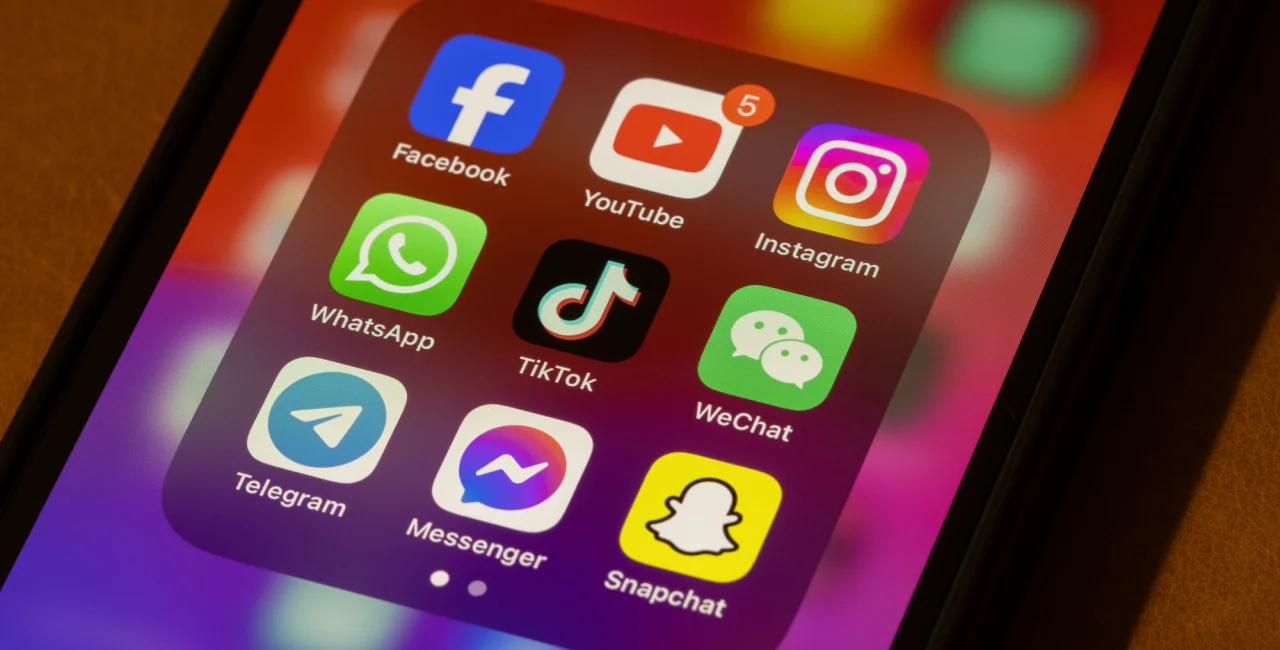

 Summary for: EU proposes social media ban for kids, but Czech MEP raises privacy fears
Children under 13 in Czechia could be barred from social media under sweeping new EU rules unveiled Thursday, while teenagers would face parental controls until they turn 15.
The European Commission's proposed EU KIDS Act would establish common age restrictions across all 27 member states as part of a broader attempt to protect children from addictive design, harmful content and other online risks.

If approved, children under 13 would not be allowed to use conventional social networks. Those aged 13 and 14 could access platforms through special accounts created and supervised by a parent or guardian, while independent social media accounts would be permitted from age 15.
The rules would extend beyond platforms such as Facebook, Instagram and TikTok. Online video services, video games, AI companions and chatbots accessible to people under 18 would also face new requirements.
What would change for children and parents?
One of the biggest changes in the KIDS Act would be a requirement for online services and app stores to verify users' ages.
The Commission says platforms could use a new European age-verification application being developed to prove that users meet an age threshold without storing their identity documents or biometric information.

Platforms accessible to minors would also have to follow a "safe by design" principle, putting protections into their apps and algorithms from the outset rather than relying primarily on parents to manage children's use.

The proposal targets features designed to keep users continually engaged, including infinite scrolling and certain addictive functions. Push notifications would be restricted during designated sleeping hours.
AI companions and chatbots would have to be switched off by default for minors and would be prohibited from imitating human relationships in ways that create emotional dependency.
European Commission President Ursula von der Leyen said the legislation was intended to give parents more control over children's online lives.
A recent Eurobarometer survey cited by the Commission found that 92 percent of Europeans believe children and young people need greater protection online, including from cyberbullying, harmful content and addictive design.

Czech MEP warns age checks could threaten privacy
Not everyone supports the Commission's approach. Czech Pirate MEP Markéta Gregorová criticized the proposed age-verification requirements, warning that enforcing an age limit could ultimately mean checking everyone who wants to open an account, not just children.

"For a ban to work, we have to start checking users' ages. That means not only children, but everyone who wants to create an account. I consider that dangerous," Gregorová said.
"The more information about our identity we have to provide when moving around online, the greater the risk of its misuse or leakage," she added.
The EU is proposing a social media ban for children under 13, with age verification required for users. Do you support the plan?
Gregorová nevertheless welcomed the "safe by design" provisions, which put greater responsibility on technology companies themselves.
The legislation would reverse part of the current burden of responsibility by requiring providers to demonstrate that services offered to minors are age-appropriate and safe from the outset.

The proposal is not yet law and would not immediately change how children in Czechia access social media. It must first be negotiated and approved by the European Parliament and the Council of the EU, representing member states.
Those negotiations could alter the details, including how age verification works and precisely what platforms must do before the rules take effect.