




 Reading time: 2 minutes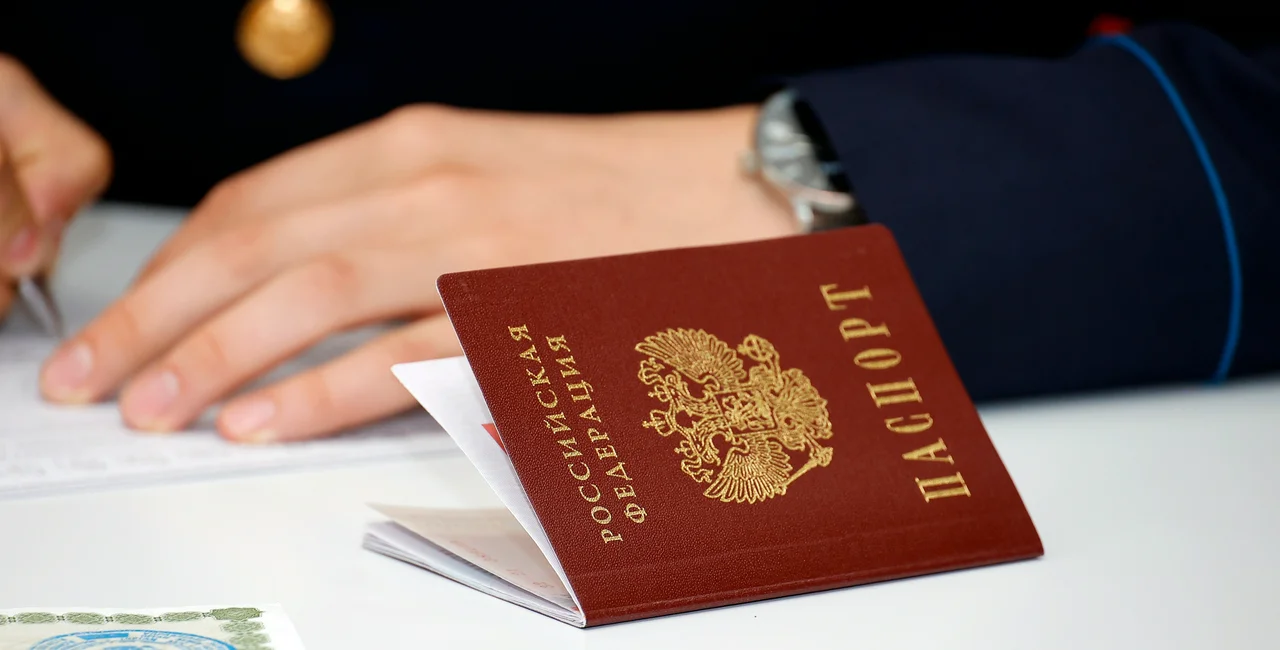

 Summary for: Czechia tightens travel rules for Russian diplomats amid spying fears
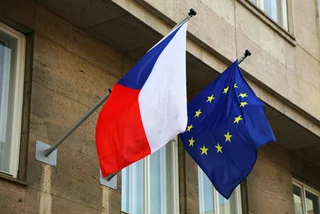
Russian diplomats traveling to Czechia must now provide authorities with more detailed information about their plans, including why they are visiting and where they intend to stay.
Under the tightened notification system, diplomats must report a planned border crossing at least one day in advance. They must also disclose the purpose, route and duration of the trip, as well as their accommodation or place of stay, the Czech Foreign Ministry confirmed Wednesday.

The change strengthens oversight but stops short of requiring advance authorization. Czech authorities will know when Russian diplomats plan to enter the country, but the notification system does not itself allow the Foreign Ministry to approve or reject each trip.
Pavel backs reciprocal restrictions
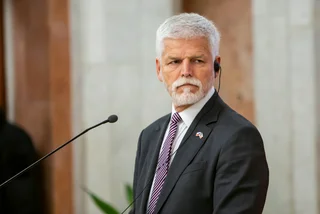
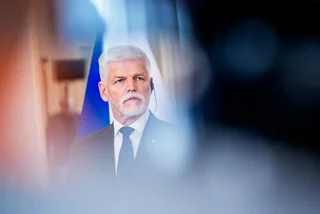
President Petr Pavel welcomed the change while attending the U.N. General Assembly in New York. He described it as a reciprocal response to restrictions Russia has imposed on Czech diplomats since June.
“It seems no surprise that Russia quite often uses diplomatic cover for its intelligence officers,” Pavel said. Given the current security situation, he added, European countries are justified in seeking to prevent Russian intelligence personnel from moving across their territory without oversight.
Czech counterintelligence agency BIS has repeatedly warned in its annual reports that Russian intelligence services use diplomatic status to place officers in target countries.
Foreign Minister Petr Macinka also emphasized reciprocity. “If every Czech diplomat in Russia must report their movements from June, it’s only natural that the same rule will apply to Russian diplomats here,” he told Parlamentní listy.

The wider EU notification requirement stems from sanctions adopted in response to hostile Russian intelligence activity. Russian diplomatic and consular staff traveling within the Schengen Area beyond their country of accreditation must inform the destination state in advance.
Czechia stops short of entry approval
EU countries may go further by requiring Russian diplomats to obtain authorization before entering. Czechia has not adopted that stricter option, despite Prime Minister Andrej Babiš promising tougher rules in February after criticism from opposition parties.
Pavel said prior approval would appear to be a logical next step but added that the situation should be allowed to develop. He described the delayed Czech response as a sign of restraint and said the reciprocal nature of the measure should limit the risk of an unexpected Russian reaction.

Opposition Civic Democrat leader Martin Kupka welcomed the new requirements but questioned why their introduction took several months.
“We’re still only halfway there,” Kupka said. He argued that notification was insufficient because Russian diplomats accredited elsewhere can continue entering Czechia on Schengen documentation without Prague being able to refuse an individual trip.
“When it comes to Russian diplomats, whose country is waging a hybrid war against Europe, it’s not enough simply to know that they’re coming,” Kupka said. “We must have the option to refuse their entry.”