



 Reading time: 2 minutes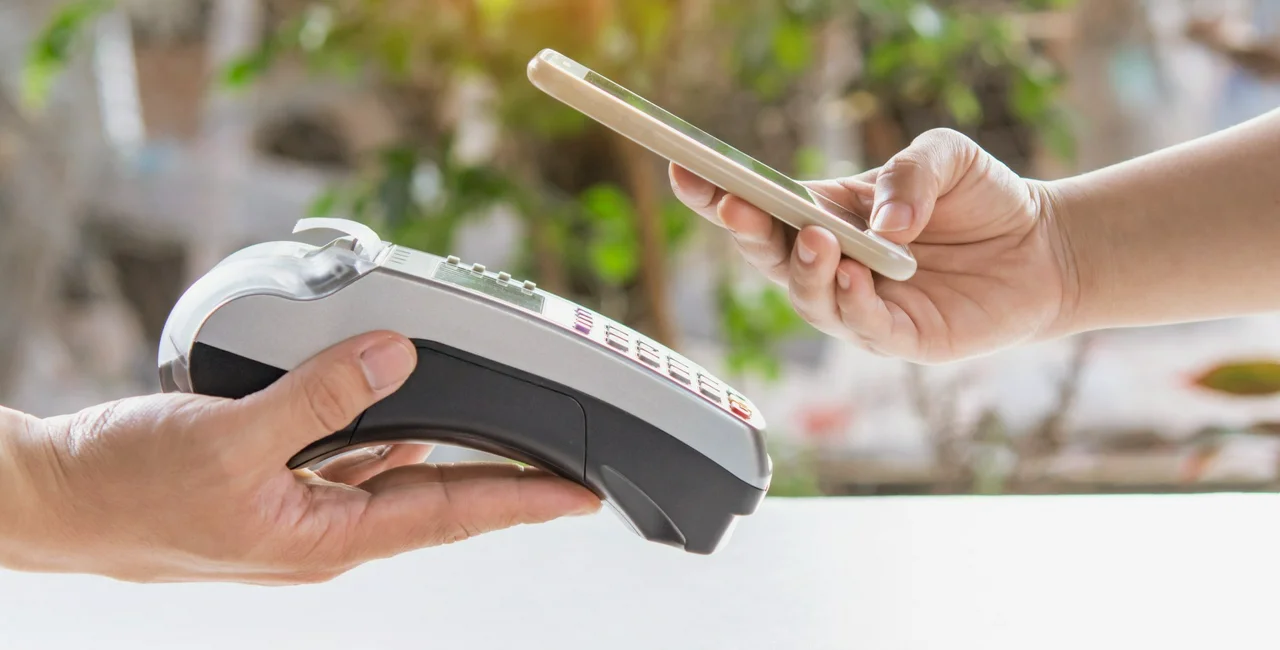

 Summary for: Czechia is bringing back EET. What shoppers and businesses need to know
Czech businesses will once again be required to record sales electronically after lawmakers approved the return of the country’s electronic sales registration system (EET), which is set to restart in 2027.
The return of EET will affect many small businesses, restaurants, shops, and service providers in Czechia, while customers may see more transactions recorded digitally. The government says the system will improve tax collection and create fairer conditions for businesses, while critics argue it will add unnecessary bureaucracy.

For customers, the biggest visible change is likely to be the return of digitally recorded purchases and receipts. Paper receipts will not be required in every case, and card payments will continue as before, although businesses will have to record those transactions electronically.
The legislation now moves to the Senate before going to President Petr Pavel for final approval.
Government says new EET will be simpler
The updated system, referred to by the government as EET 2.0, is intended to be simpler than the original version introduced in 2016. Unlike the previous system, businesses will not be required to print receipts in every case, and the government says administrative costs will be lower.
Finance Minister Alena Schillerová said the new system would help reduce the shadow economy and improve tax fairness.
“EET 2.0 represents a modern, significantly simpler system of sales registration that will help limit the gray economy, ensure fairer tax collection, and level the conditions for doing business,” Schillerová told lawmakers.
PARTNER ARTICLE

Under the approved rules, businesses will also record cashless payments, while some small entrepreneurs using the first bracket of the flat-rate tax system with annual revenues below CZK 1 million will be exempt.
Restaurants, shops, and other service businesses will be among those affected, although customers are unlikely to see major changes at the point of payment.
The government estimates that the renewed system could bring roughly CZK 14 billion annually to public budgets.
Businesses and opposition raise concerns
Opposition parties criticized the return of EET, arguing that the system will create additional burdens for entrepreneurs without delivering the promised financial benefits.
The previous government suspended EET during the COVID-19 pandemic before officially ending it in 2023. ODS lawmakers said existing tax-control tools and the growing use of electronic payments already provide authorities with information about business transactions.
“I consider this law bad, but above all unnecessary,” ODS deputy chairman Jan Skopeček said during the parliamentary debate.

Czechia is bringing back electronic sales registration (EET) in 2027, with supporters saying it will improve tax fairness and critics warning of added bureaucracy. Do you support the return of EET?
Business experts have also questioned whether the new system will be as effective as the original version. Miloslav Rut from consulting group Moore Czech Republic told Novinky.cz that removing some verification features could weaken the government’s ability to monitor sales.
“EET 2.0 promises less administration, but by removing the fiscal code and expanding offline operation, it loses the essential ability to immediately verify that a receipt has reached the system,” Rut said.
Other tax changes could affect customers
The legislation also includes several tax changes that could affect everyday spending. It reduces VAT on non-alcoholic restaurant drinks and introduces tax exemptions for tips up to 7 percent of sales, while restoring some tax discounts removed under the previous government.
Supporters say this could make transactions more transparent and simplify proof of purchase for returns or warranty claims. Critics warn that businesses facing additional compliance costs could eventually pass those expenses on to customers through higher prices.