



 Reading time: 2 minutes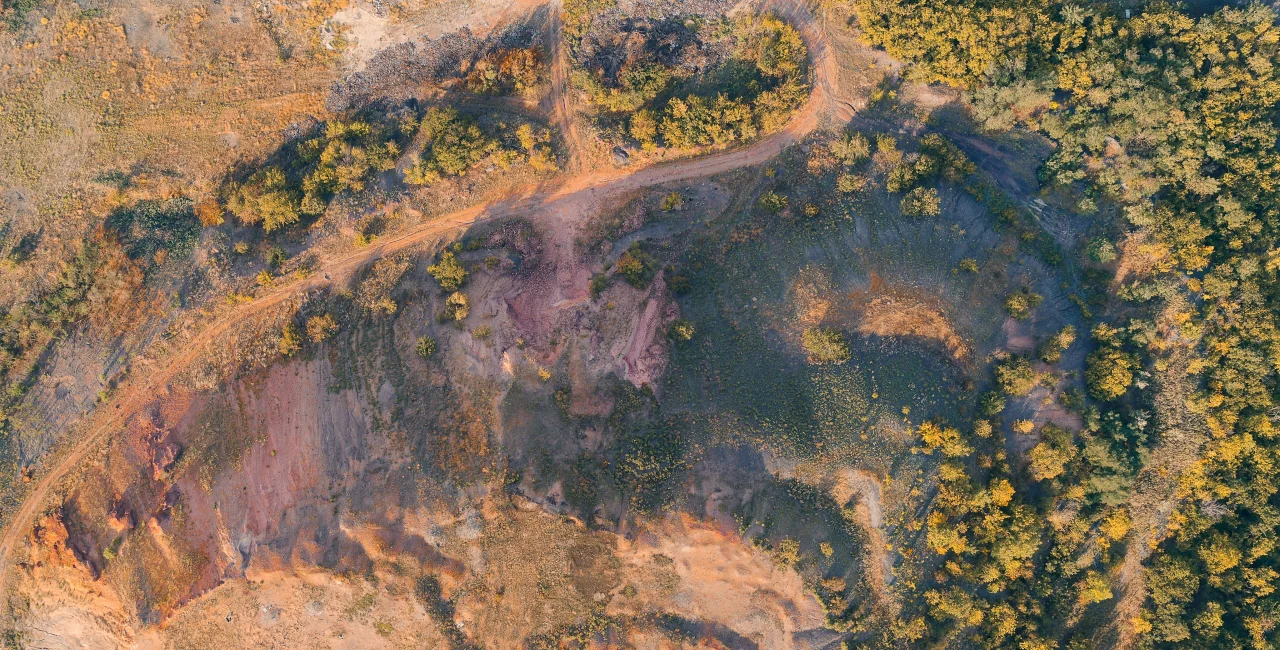

 Summary for: Understanding the Czech mineral at the center of the global resource race
A major manganese deposit in eastern Czechia is drawing fresh attention to the country’s growing role in the global race for strategic minerals used in electric vehicles and renewable energy.
The Chvaletice site in the Pardubice region, long an industrial relic of past mining, now holds what may be the largest manganese reserves in the European Union, according to the Czech server iRozhlas, and is currently being prepared for eventual extraction.

Manganese is essential for the production of high-performance lithium-ion batteries, and securing local supplies is increasingly viewed as vital to Europe’s economic and industrial security.
From waste to strategic resource
Mangan Chvaletice’s project involves re-processing historic mining tailings left in large deposits around the old Chvaletice site. Those tailings, once considered useless, now represent a valuable resource that the company says could supply up to 50,000 tonnes of purified manganese annually once operations are underway.
Mangan Chvaletice confirmed to iRozhlas that the project could create up to 400 jobs and has reached key milestones in its permitting process, including environmental approvals and mining licenses. Preparatory construction for a conveyor system and processing plant is slated to begin later this decade, with full commercial operations targeted around 2030.
The government has also designated the Chvaletice deposit as a strategic mineral under national law, recognizing its importance not just for local industry but for the nation’s supply chain resilience.
Why it matters to Europe
Manganese is a key ingredient in battery cathodes that help electric vehicle batteries perform efficiently and safely. But much of the world’s supply and processing capacity currently sits outside of Europe, particularly in China.

That has raised concerns in Brussels and among EU member states about over-reliance on foreign sources for strategically vital raw materials.
The European Commission has identified both manganese and lithium, another mineral found in Czechia, on a shortlist of critical raw materials central to the bloc’s technological future.
As part of this strategy, flagship projects such as Chvaletice are being positioned to help diversify supply chains and reduce dependency on imports.
Aside from manganese, the Czech Republic also hosts one of Europe’s largest lithium deposits at Cínovec, as well as smaller reserves of tungsten and a history of uranium production, all resources that contribute to the country’s emerging role in the continent’s supply network for advanced technologies.
The current manganese reserves in Chvaletice have the potential to cover up to a quarter of the demand on the European market. The duration of mining is estimated at 25 years, iRozhlas reports, an indicator that Czech minerals could play a significant role in shaping Europe’s energy and industrial future.