Czech inflation eases to 2.4 percent as cheaper food offsets soaring fuel costs

Food prices fell 4 percent annually, while fuel rose 35.6 percent and rents climbed 6.4 percent. Analysts expect inflation to accelerate again.

Expats.cz Staff

Written by Expats.cz Staff Published on 11.11.2026 08:11:00 (updated on 11.11.2026) Reading time: 2 minutes

Czech inflation slowed slightly in October as cheaper food helped offset sharply higher fuel prices and continued increases in rents and services.

Consumer prices rose 2.4 percent year on year, down from September’s 2.5 percent, the Czech Statistical Office confirmed Tuesday. Prices nevertheless increased 0.4 percent compared with the previous month.

Analysts expect the slowdown to be temporary, with inflation forecast to exceed 3 percent next year as energy costs feed through and food prices begin rising again.

Cheaper groceries cushion household budgets

Food prices were 4 percent lower than in October last year, partly reflecting a higher comparison base, according to the statistical office.

Butter prices fell by almost a third, while pork and eggs were nearly a fifth cheaper.

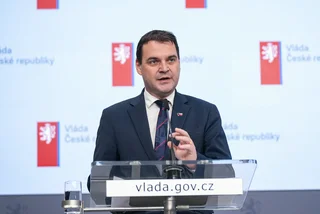
Petr Sklenář, director of the Czech National Bank’s monetary department, said food price declines remained relatively broad, with average prices around their lowest level in two years.

That has delayed the reversal suggested by commodity markets and reports of this year’s weaker harvest, he said.

Transport exerted the strongest upward pressure on annual inflation. Fuel and lubricant prices rose 35.6 percent compared with a year earlier.

Housing rents increased 6.4 percent, accommodation services became 7.2 percent more expensive and catering services rose 3.8 percent.

Overall, goods prices increased 0.9 percent annually, while services climbed 4.5 percent—a contrast showing the continued strength of price pressures outside retail goods.

Analysts expect inflation to pick up again

Food prices increased month on month in October, prompting warnings that their contribution to keeping inflation down may be fading.

Tomáš Prouza, president of the Czech Confederation of Commerce and Tourism, said maintaining favorable food price developments would become harder as energy, wages and regulatory costs rose throughout the supply chain.

ECOVIS analyst Jan Slabý pointed to six consecutive months of increases in industrial producer prices and an expected reversal in agricultural producer prices as further sources of pressure.

Analysts also expect the annual inflation-reducing effect of transferring renewable-energy support charges from consumers to the state to fade after the new year. That comparison effect does not itself mean the charges will return to household bills.

The central bank expects core inflation, which excludes volatile items, to remain broadly stable but elevated at around 3 percent.

Sklenář said the outlook for next year, combined with persistent core inflation and global price pressures, justified continued monetary-policy caution.

Despite those risks, Czechia’s October inflation was lower than in all four neighboring countries, according to a Portu comparison. Annual rates were 2.8 percent in Germany, 3.1 percent in Slovakia, 3.5 percent in Poland and 3.6 percent in Austria.

Did you like this article?

Czechia’s latest news

Read all the headlines
Want to see more from us? Select Expats.cz as a preferred source on Google.