Reading time: 2 minutes

 Summary for: Czech cabinet backs electricity price relief powers and producer revenue caps
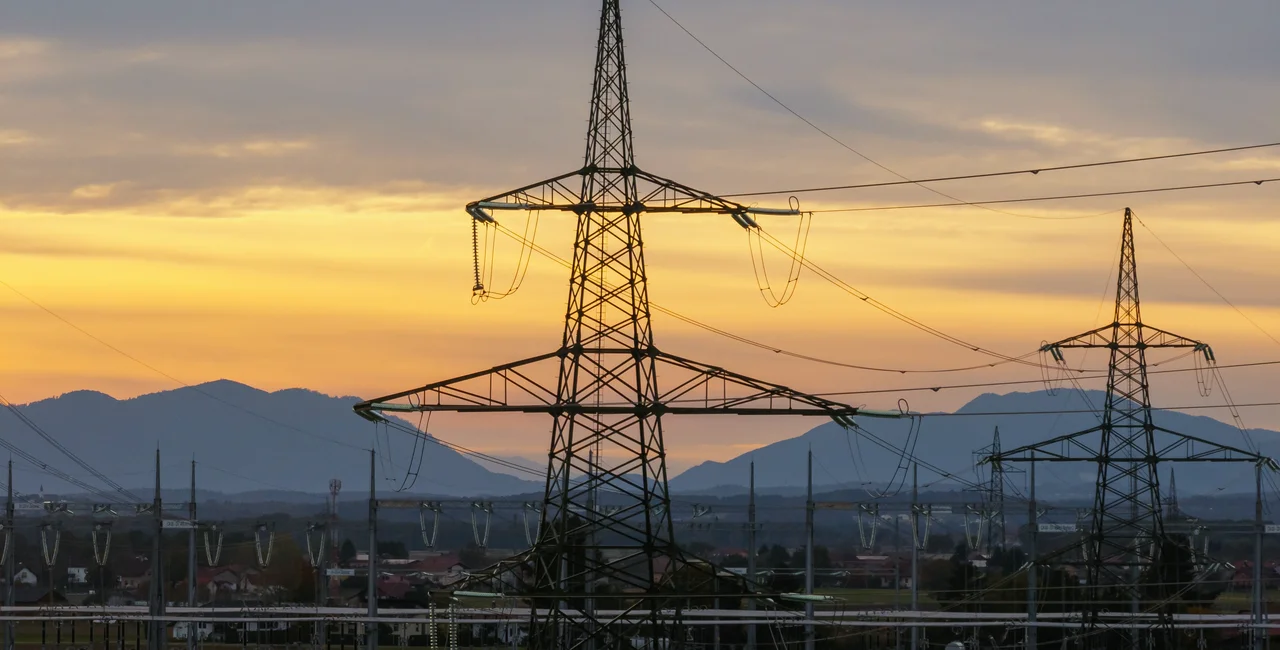
The Czech government has approved a bill that would allow it to reduce electricity costs for customers and cap excess revenues earned by power producers during exceptional market conditions.
The proposed amendment to the Energy Act would let the state help cover energy network costs, creating room to lower the regulated component of bills paid by households and businesses.
FOR OUR MEMBERS

Ministers approved the proposal Monday, but it must now go to the Chamber of Deputies. The decision does not introduce price caps or activate levies on producers.
State could help cover network costs
Industry and Trade Minister Karel Havlíček said the legislation was intended to prepare the government for further sharp increases in energy prices.
“We are preparing in time so that we can act quickly if energy prices rise sharply again,” he said after the cabinet meeting.
Gas and electricity prices have increased by tens of percent since March amid the Middle East conflict, with Czech suppliers gradually passing higher costs into their offers.
Under the proposal, the government could use the state budget to pay part of the costs of energy networks during an exceptional market situation. That would allow a reduction in regulated charges on customers’ bills.
The intervention could be linked to a levy on part of electricity producers’ excess revenues. Havlíček said the proceeds could help cover the state’s spending on reducing those regulated charges.
The cabinet would determine the specific arrangements if the measures were activated, taking account of current market prices and the costs associated with different types of electricity generation.
The bill therefore establishes a mechanism for possible intervention rather than setting a new maximum electricity price for consumers now.
Opposition awaits details of the mechanism
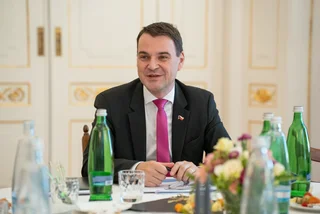
ODS leader Martin Kupka said his party would not criticize the proposal in advance and would assess the mechanism chosen by the government.
Having an effective tool ready for a dramatic rise in energy prices was a good idea, he told journalists.

Pirate Party leader Zdeněk Hřib described the proposal as emergency assistance, arguing that the increase in energy prices was foreseeable.
He criticized the government for insufficient investment in energy savings and renewable sources, which he said offered a route to affordable energy over the longer term.
A levy on excess electricity producer revenues was previously introduced during the 2023 energy crisis under Prime Minister Petr Fiala’s government. Those rules were tied to the exceptional conditions of 2022 and 2023.
The new proposal would replace that crisis-specific approach with a permanent legal framework for future extraordinary market fluctuations.
Its use would still depend on an exceptional market situation and government measures to cushion energy costs. Approval of the bill alone would not trigger either lower charges or payments from producers.