



 Reading time: 2 minutes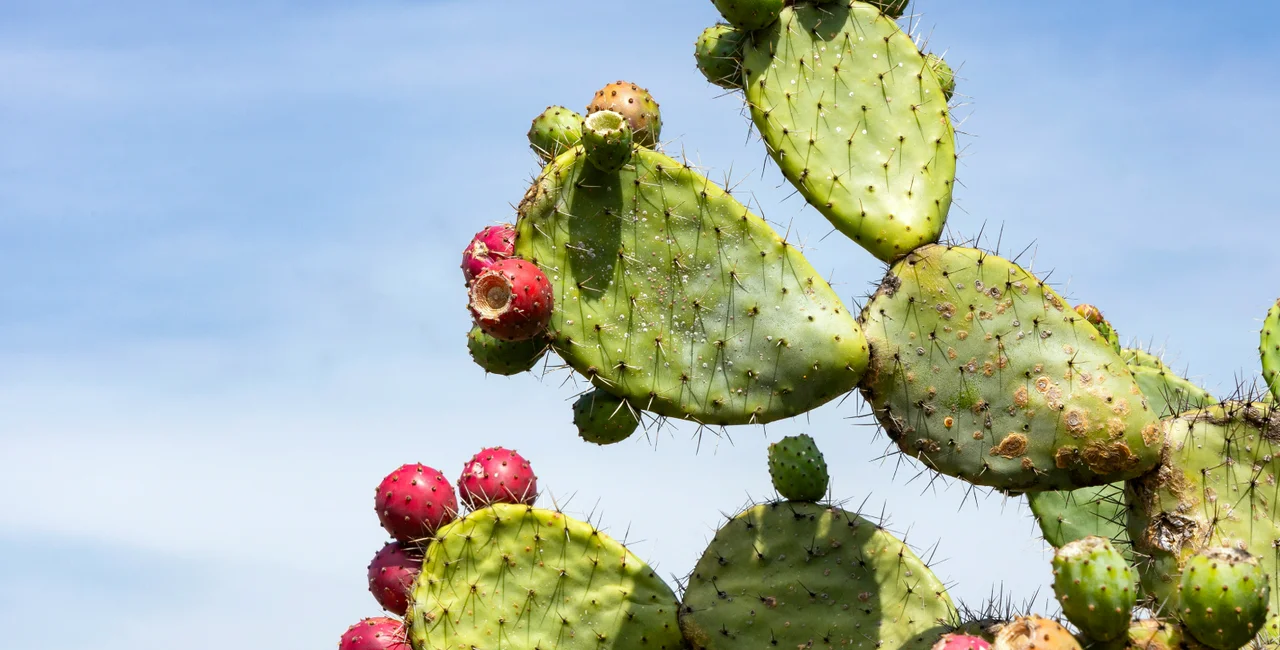

 Summary for: Invasive cactus is spreading in Czechia, threatening rare native plants
An invasive cactus capable of surviving Czech winters is appearing in protected landscapes in South Moravia, prompting conservationists to warn gardeners against introducing exotic plants into the wild.
A prickly pear cactus was recently discovered on Macošská stráň in the Moravian Karst, near the popular Macocha Gorge. Conservationists removed and destroyed the plant, but the discovery follows signs that frost-resistant prickly pears are already spreading independently in the nearby Pálava Protected Landscape Area.
There, populations have now been recorded at Děvín, Tabulová and Svatý kopeček near Mikulov.
Conservationists warn that the North American cactus can form dense stands that leave little room for native vegetation, potentially threatening some of South Moravia's distinctive and rare plant species.
How is a cactus surviving Czech winters?
Prickly pears are popular ornamental plants, and some species are sufficiently cold-resistant to survive Central European winters.
It is not known how the plant found in the Moravian Karst reached the protected area. Conservation group Stromy pro Moravský kras said it could have escaped from a nearby garden or been deliberately planted by someone hoping to add an exotic plant to the landscape.
In Pálava, however, conservationists say the cactus is no longer spreading solely through human activity.

Increasingly warm and dry conditions allow frost-resistant prickly pears not only to survive but also to produce large quantities of fruit. Their bright red fruits attract birds, which can consume them before depositing seeds kilometers away.
The cactus has another advantage: it can reproduce from pieces of the plant itself. Even a small broken fragment can take root and develop into a new plant.

Rare Czech species could lose ground
Once established, prickly pears can create continuous patches that displace native vegetation.
In Pálava, conservationists say this poses a particular risk to species including the rare Pálava iris. In the Moravian Karst, native grasses such as feather grass could also struggle to compete.
Removing established populations is difficult. Along with large visible spines, prickly pears have tiny hair-like barbed bristles that can lodge in the skin and make physical removal particularly unpleasant.

Conservationists in Pálava discovered another population on Svatý kopeček near Mikulov earlier this month, after previous finds at Děvín and Tabulová.

The latest discovery in the Moravian Karst has prompted a renewed appeal to gardeners: do not plant non-native or exotic species in the Czech countryside, particularly in protected areas.
While a cactus growing wild in Czechia may seem like an unusual novelty, conservationists warn that once an invasive plant begins reproducing and spreading without human help, removing it can become considerably harder.