
 Reading time: 2 minutes

 Summary for: Giant spiders spreading through Czechia could eventually reach Prague, expert says
One of Central Europe's largest spiders is spreading across southern Moravia and could eventually make its way to Prague, according to a Czech arachnologist.
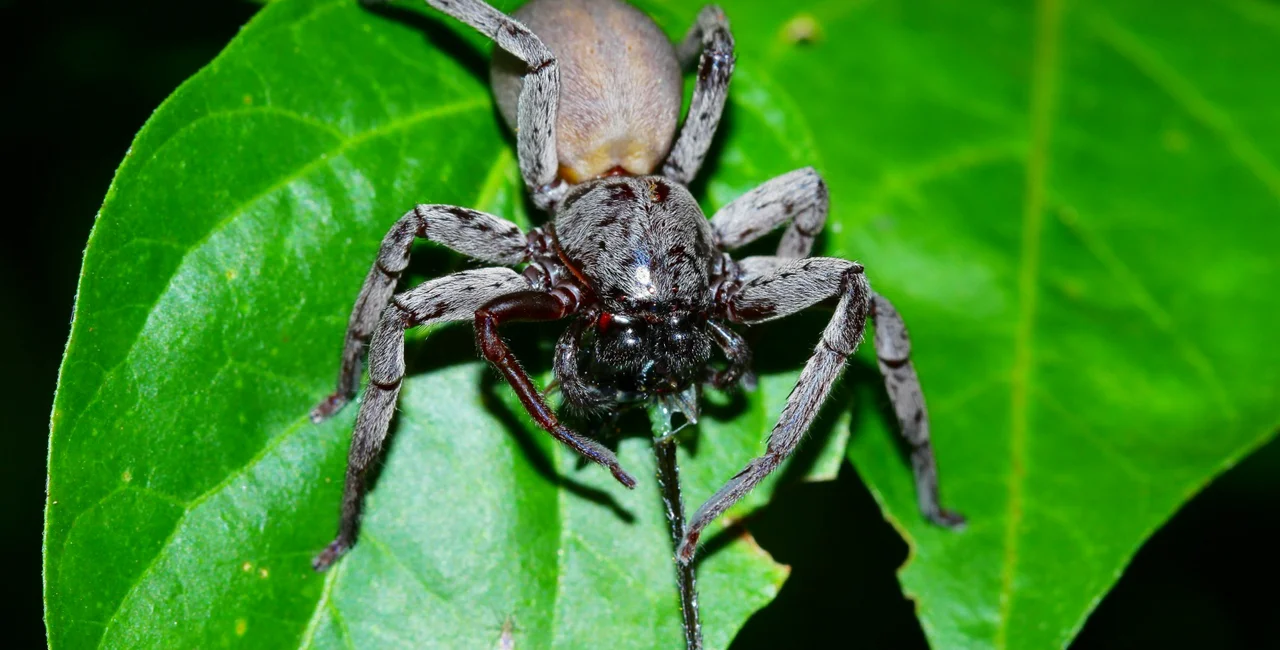
The South Russian tarantula (Lycosa singoriensis), known locally as slíďák tatarský, can reach a leg span of seven centimeters and is capable of biting through human skin. However, experts stress that the species poses little danger to people.

Arachnologist Milan Řezáč told iDNES.cz that the spider is currently expanding through southern Moravia, although its natural spread into other parts of Czechia remains limited by geographical barriers.
Could the giant spiders reach Prague?
The species originates from the Pannonian Basin and favors warm, dry environments. According to Řezáč, it previously expanded as far as Olomouc during a warmer period in the 1930s before disappearing from Czech territory during subsequent cooler decades.
It returned in the early 21st century as temperatures rose again and has since been recolonizing former habitats.
The Bohemian-Moravian Highlands currently form a natural barrier preventing its expansion into central Bohemia, despite suitable climatic conditions in areas such as the Elbe lowlands.
However, Řezáč believes the spiders could eventually reach Prague through accidental human transportation, such as the movement of materials between regions.
The species has not yet been recorded in the Elbe lowlands, and its arrival in the capital remains a possibility rather than an established development.


Are the spiders dangerous to humans?
Despite their intimidating appearance, South Russian tarantulas are not considered a significant threat to people.
Their venom is primarily adapted to immobilizing insects, and the spiders do not actively seek contact with humans.
Although their bite can penetrate human skin, Řezáč compares the resulting pain to a bee or wasp sting. He emphasizes that bites are extremely unlikely unless a spider is trapped or physically threatened.
The species is primarily active at night and spends much of the day sheltering in underground burrows, which can reach half a meter deep.
Males sometimes wander into houses or garages during the mating season in summer and autumn while searching for females.

Other spiders already live in Prague
While the South Russian tarantula has yet to establish itself in Prague, other potentially painful-biting spider species already inhabit the capital.
These include Eresus spiders, known in Czech as stepníci, which can be found in dry grassland habitats around Prokopské, Radotínské, and Šárecké valleys.
Řezáč says their bites can cause significant discomfort, although encounters are exceptionally rare because the spiders generally remain hidden in burrows.
For anyone who encounters a large spider at home, his advice is straightforward: avoid handling it directly and carefully move it away if necessary.
Despite their size and reputation, these spiders are far more interested in hunting insects than interacting with humans.