



 Reading time: 2 minutes

 Summary for: Christmas trees to cost more in Czechia, with popular firs up 10 percent
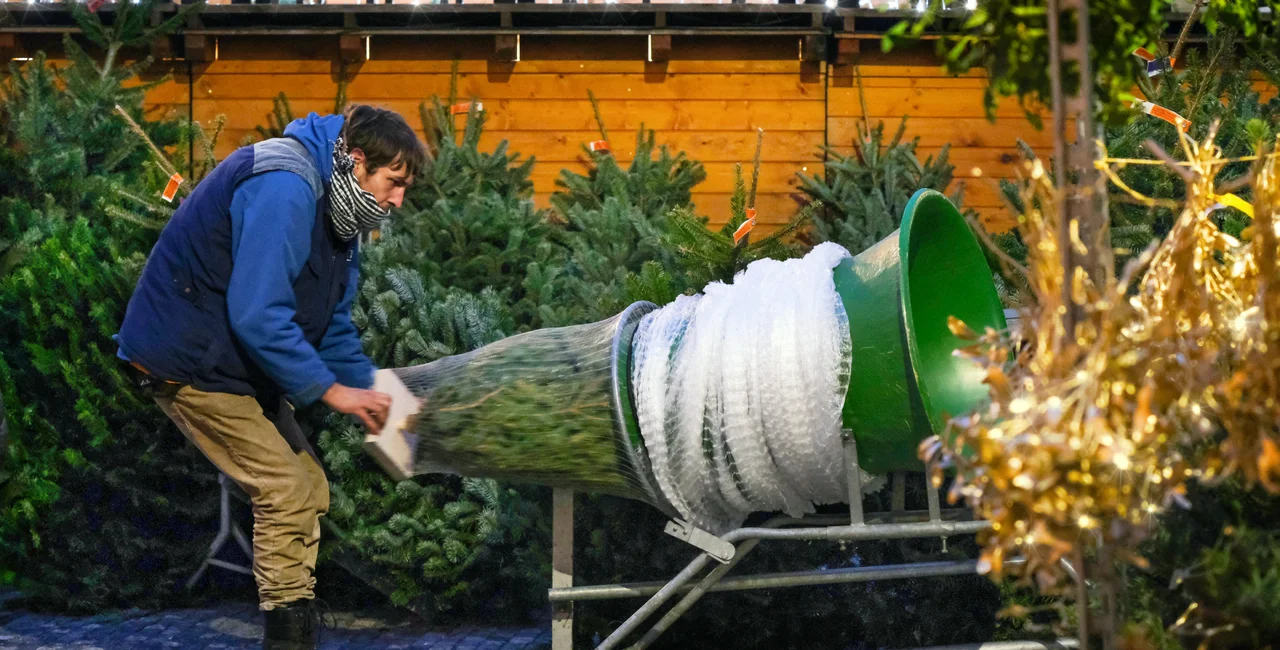
Czechia’s most popular Christmas tree, the Nordmann fir, is expected to cost around 10 percent more this year with an average increase of approximately CZK 100, according to the Czech Christmas Tree Growers Association.
A standard-quality fir measuring 1.5 to two meters will typically sell for CZK 850–1,200. Growers attribute the increase to weather damage, higher production and transport costs, and a gradual decline in European growing areas.
Despite those pressures, the association expects sufficient supplies of good-quality Czech-grown trees across all main varieties ahead of Christmas.
What Christmas trees will cost this year
Nordmann firs dominate the Czech market, accounting for approximately 90 percent of sales. Blue spruce follows with around five percent, while Norway spruce and pine each account for less than five percent.
For trees measuring 1.5 to two meters, the association forecasts these prices:
The estimates are for standard-quality trees; individual prices will vary by seller and quality.

Annual demand for natural Christmas trees in Czechia has long been estimated at up to 1.3 million. Domestic production is growing, but imports still account for more than half of sales, leaving Czech prices closely linked to conditions elsewhere in Europe.
Weather damage puts pressure on supplies
Growers say European plantations are still feeling the effects of spring frost in 2025, which damaged young fir shoots. In Denmark, a major source of trees imported into Czechia, almost one million trees were affected.
“Christmas trees grow on plantations for many years, so this kind of damage does not affect just one season,” association chairman František Valdman said.
Damaged trees can need several years to recover, and some never regain saleable quality, limiting supplies of premium trees.
This summer’s hot, dry weather also harmed newly planted firs. Meanwhile, rising wages, labor shortages, and higher production and transport costs are making cultivation less viable for some growers. Valdman said declining plantation areas were a Europe-wide trend.
Artificial tree prices, by contrast, are generally similar to last year, although the picture varies by model.
According to price-comparison platform Heureka, its most sought-after artificial tree is over two meters tall and costs around CZK 1,000. More than three-quarters of interest is directed toward models with realistic-looking 3D needles.
Alza reported price declines for some premium models, with average selling prices falling by as much as 16 percent. Its leading artificial tree so far this year is a 1.5-meter fir, spokesperson Eliška Čeřovská said.