 Reading time: 3 minutes

 Summary for: Record comeback: Czechia’s foreign visitor numbers top pre-Covid levels
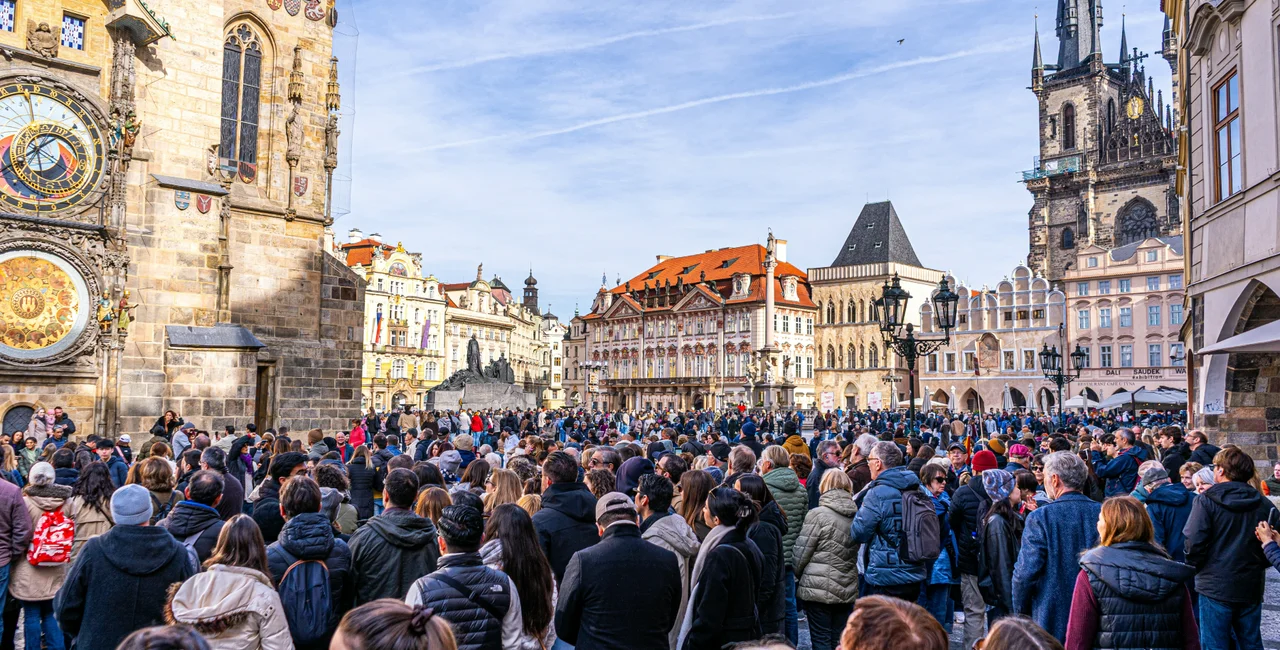
The visitors are back: and by one broad measure, Czechia has finally edged past its pre-pandemic tourism peak.
An estimated 37.3 million foreign visitors came to Czechia in 2025, according to figures released by the Czech Statistical Office (ČSÚ) last week. That was one million more than in 2024 and slightly above the 37.2 million recorded in 2019, before Covid restrictions disrupted international travel.
PARTNER ARTICLE

The comparison supports a recovery headline, with an important qualification: these are foreign visitor figures, not 37.3 million overnight tourists.
More than half came for a day, while others stayed with friends, booked private accommodation or passed through on their way elsewhere. The stats reveals a more varied tourism economy than crowded Prague hotels alone suggest.
A long recovery reaches its pre-pandemic benchmark
The latest estimate puts 2025 at the highest level in the comparison releases by the Czech Statistical Office, which runs from 2017 onward. The margin over 2019 is small: approximately 100,000 visitors, or 0.3 percent, using the rounded figures.
That makes “back above pre-pandemic levels” a more precise description than a dramatic new tourism boom. It also describes visitor volume, rather than proving that every part of the industry has fully recovered financially.
The pandemic’s impact remains striking. Visitor numbers fell to roughly 10 million in both 2020 and 2021, before climbing steadily back toward their previous level.

The strongest source countries in 2025 were Germany, Slovakia, Poland, the United States and the United Kingdom, according to the statistical office’s presentation.
But the headline total encompasses very different trips. Approximately 52 percent were day visits, 40 percent involved an overnight stay, and 8 percent were transit visits. ČSÚ’s accompanying release confirms that its broader estimate includes people outside the conventional accommodation statistics.
Why hotel figures tell only part of the story
Of the 14.8 million foreign visitors who stayed overnight in 2025, around 11.1 million used collective accommodation, such as hotels and guesthouses.
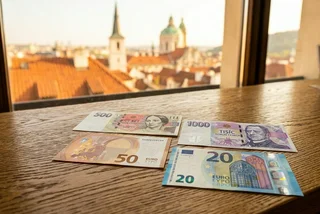
The remaining quarter stayed in individual accommodation, including short-term rentals, or noncommercial settings such as relatives’ and friends’ homes. For international residents hosting visitors, that is a familiar part of tourism which hotel arrival figures do not capture.
There is another useful distinction: tourism statistics generally separate domestic and foreign visitors by country of residence, rather than passport. A foreign national living in Czechia can therefore count as a domestic visitor when traveling within the country, while a Czech citizen resident abroad can count as an international visitor.
Newer 2026 accommodation figures released by the Czech Statistical Office (ČSÚ) measure a narrower category and a different period. From January through September, Czech collective accommodation establishments registered 18.9 million guests: 10.5 million domestic residents and 8.4 million foreign guests.
Foreign guest arrivals increased 2.8 percent year on year, while domestic arrivals rose 3.3 percent. Together, guests spent 48.2 million nights in those establishments.
Those figures indicate continued growth, but should not be directly compared with the broad 37.3 million annual visitor estimate.
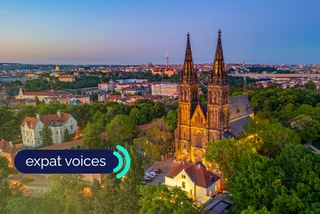
Prague’s next question: More visitors, or different visitors?
Prague remains the dominant destination in the accommodation figures. Its establishments recorded approximately 6.15 million guests in the first nine months of 2026, around one-third of the national total. Foreign visitors accounted for roughly 80 percent of the capital’s accommodation clientele.
During July–September alone, Prague welcomed 2.32 million accommodated guests, up 3 percent year on year, according to Prague City Tourism’s summary of ČSÚ data.
 English
(Proficient)

Germany remained the largest overseas source market for that quarter, followed by the United States, Poland and the United Kingdom. Prague City Tourism also reported particularly strong percentage growth from Ireland, Israel and Taiwan.
The city’s tourism organization is increasingly emphasizing the kind of visit, rather than simply the number of arrivals. Citing STR hotel-industry data, it reported average hotel occupancy approaching 78 percent during January–September, rising to 86.4 percent in September.
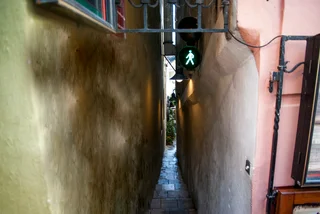
It also said demand in Prague’s luxury hotel segment reached a record level despite rising room prices. Prague City Tourism chairman František Cipro attributes the results partly to efforts to attract higher-spending travelers.
That is the organization’s interpretation; occupancy and luxury-hotel demand alone cannot establish what every visitor spends or why they chose Prague.
For residents, the figures leave a more practical question than whether tourism has returned. Visitor volume has regained its pre-pandemic benchmark. Where people stay, how long they remain and how widely their spending reaches will determine what that recovery means beyond the headline number.