Prague exhibition traces two centuries of Czech communities in Ukraine

Opening Nov. 25, the National Museum exhibition explores migration, wartime upheaval, and the traditions Czech families preserved far from home.

Expats.cz Staff

Written by Expats.cz Staff Published on 25.11.2026 05:44:00 (updated on 25.11.2026) Reading time: 2 minutes
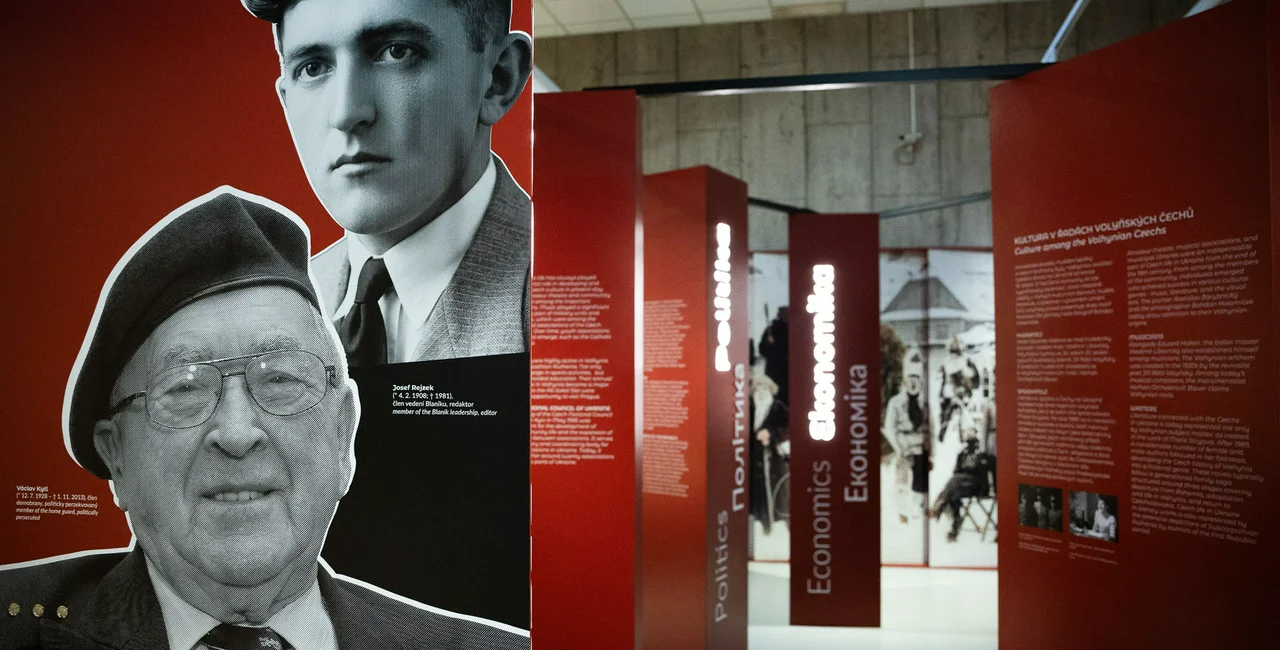
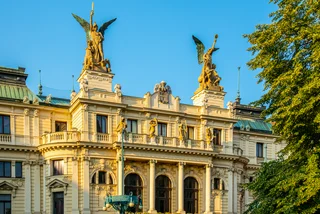
The stories of Czech families who settled in present-day Ukraine—and the generations who later returned to their ancestors’ homeland—are the focus of a new exhibition opening at Prague’s National Museum on Wednesday.

Češi, Volyň a jiné domovy (Czechs, Volhynia and Other Homes) brings together personal belongings, recorded memories, artworks, and interactive displays to explore almost two centuries of migration.

The exhibition will run in the museum’s New Building through the end of August 2027.

Its central theme is how communities built new lives while maintaining Czech traditions and identity, often through war, forced displacement, and political upheaval.

Everyday objects tell extraordinary stories

Most exhibits come from the National Museum’s collections documenting Czech communities in Volhynia, Subcarpathian Ruthenia, and other regions.

Visitors will see paintings by Volhynia-born artist Rostislav Zárybnický and a 1911 banner belonging to the Sokol organization in Kvasilov. Other objects include a Hutsul walking stick collected in Galicia by ethnographer František Řehoř.

Items from Český Malín recall one of the most devastating events in the history of the Volhynian Czechs. On July 13, 1943, Nazi forces burned the village and murdered more than 400 inhabitants.

A military bag belonging to Jiřina Somolová-Predmerská introduces another personal history. Following the Soviet occupation of the territory, she was forcibly relocated to Bulayevo in Kazakhstan.

She later reached Buzuluk with her two-year-old son and joined the Czechoslovak battalion, apparently becoming the first Volhynian Czech woman to do so. She subsequently took part in fighting at the Dukla Pass.

The exhibition presents the wider history through 14 individual stories, including that of opera singer Eduard Haken.

Traditions carried between homes

Czech settlement in the region began in the 19th century, when thousands of families left the Czech lands to seek new opportunities in the Russian Empire.

They established villages, schools, and associations in Volhynia and elsewhere in what is now Ukraine.

Wars, changing borders, and totalitarian regimes later prompted repeated waves of migration to Czechoslovakia and Czechia. Major movements included the postwar return of Volhynian Czechs between 1945 and 1947 and the arrival of Chernobyl Czechs in the early 1990s.

The exhibition also explores traditions that descendants continue to maintain.

A member of the Chernobyl Czech community created embroidery specifically for the display, and visitors will be able to try the craft themselves. Ukrainian-Czech recipes provide another interactive element, while recordings allow visitors to hear eyewitness memories.

Further visitor information is available on the National Museum’s exhibition page.

Did you like this article?

Czechia’s latest news

Read all the headlines
Want to see more from us? Select Expats.cz as a preferred source on Google.