


 Reading time: 4 minutes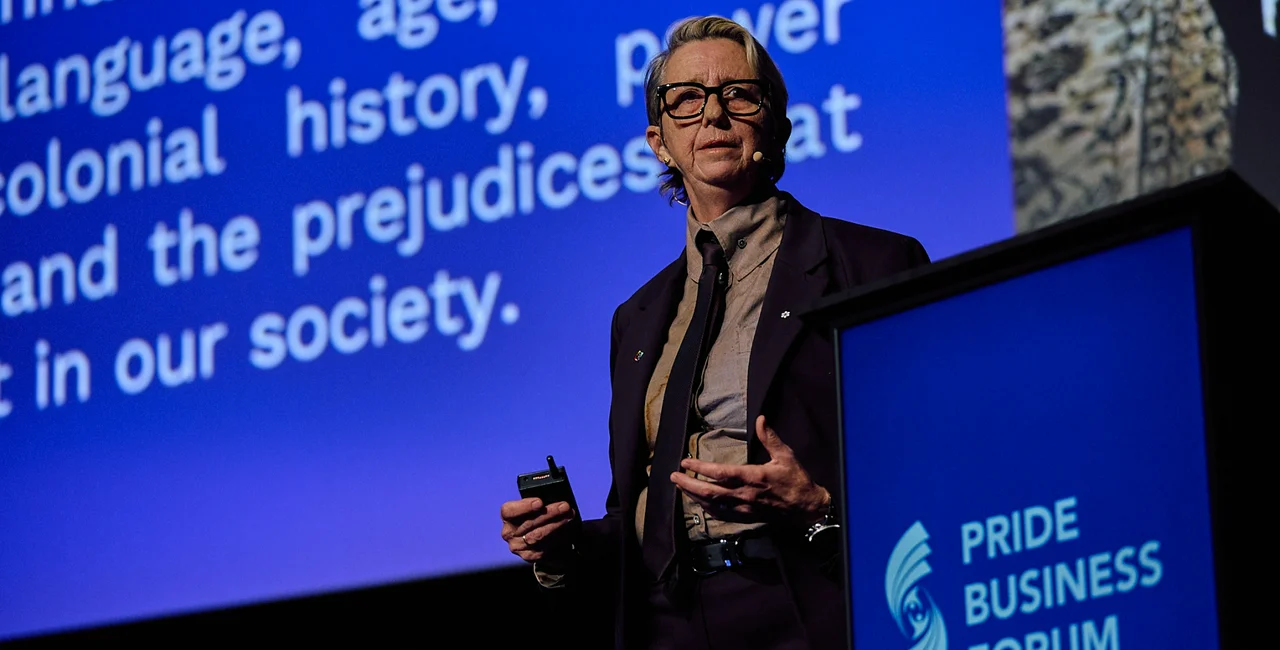

 Summary for: Prague conference asks whether LGBTQ+ inclusion at work is more than a slogan
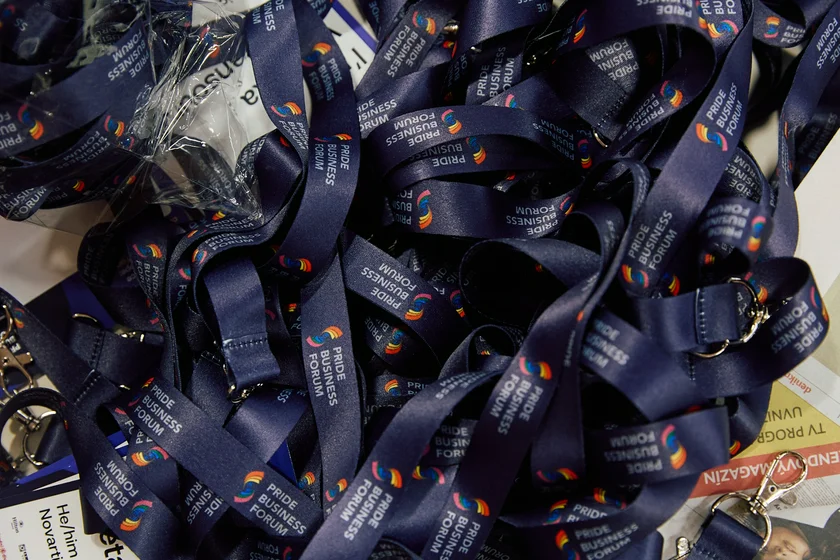
This year’s European Pride Business Network and Pride Business Forum brought together more than 300 participants from 24 countries, including business leaders, policymakers, legal experts, activists, and employee-network representatives. Held May 29 at Hilton Prague, the annual event addressed topics on diversity which have been directly impacted by Europe’s political instability, social tension, and pressure to remain economically competitive.
It also marked the conclusion of two years of cross-border work under the EPBN-WISE project, funded by the European Commission’s Citizens, Equality, Rights and Values program. But while workplace inclusion (the good, the bad, and the sometimes controversial) is always a central theme at the annual event, this year the messaging felt closer to that of resilience than a mere symbolic issue.
It’s always been clear that LGBTQ+ inclusion cannot work as a one-size-fits-all policy, but this year’s conference drilled into attendees that companies across Czechia must do better when it comes to understanding local laws, political climates, workplace cultures, and the lived realities of employees.
These foreign nationals may be crossing borders, changing languages, or assessing whether it is safe to be visible at work. Here are some of the highlights of this year’s conference, and what the future may hold for diverse expat populations living and working across the country.
Policy does not automatically create safety
Data cited by organizers from the European Union Agency for Fundamental Rights showed that 45 percent of LGBTIQ+ people in the EU still hide their identity at work, while 18 percent report experiencing discrimination. This wider European framing is what speakers used to open the conference.
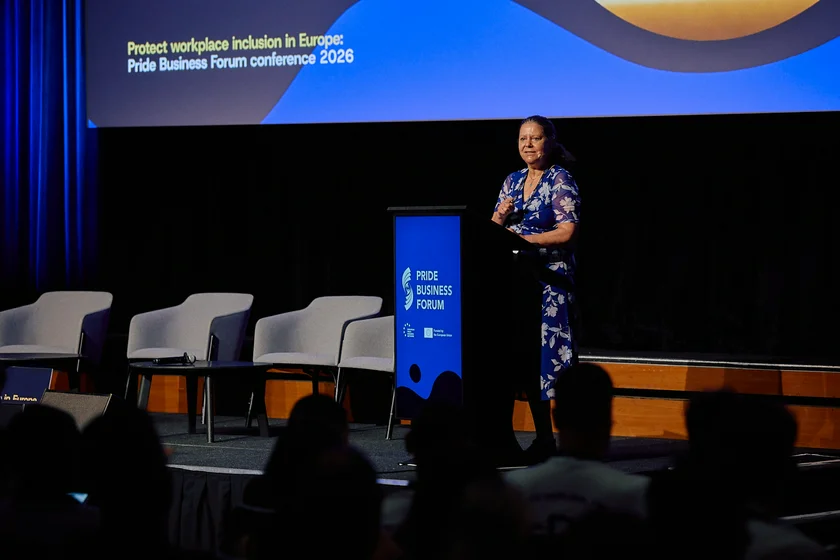
Irena Moozová of the European Commission spoke on the gap between equality commitments and implementation, and that rights on paper are not enough if people still do not feel safe at work.
The theme echoed throughout the day. Prof. Kristina Koldinská of Charles University placed today’s LGBTQ+ workplace protections within a longer history of labor rights. Her contribution connected the issue to earlier struggles by workers, women, and other groups whose rights expanded only after sustained pressure, advocacy, and legal change.

Their sessions emphasized that workplace protections become meaningful when they are understood, enforced, and reflected in the way institutions and employers respond to harm. It set the tone for the rest of the forum: legal language matters, but it’s only the starting point.
Inclusion needs to be built in everyday workplace behavior
As the day went on, several sessions moved the discussion from policy into ordinary workplace culture. Silvia Spinelli focused on microaggressions and everyday interactions inside organizations.
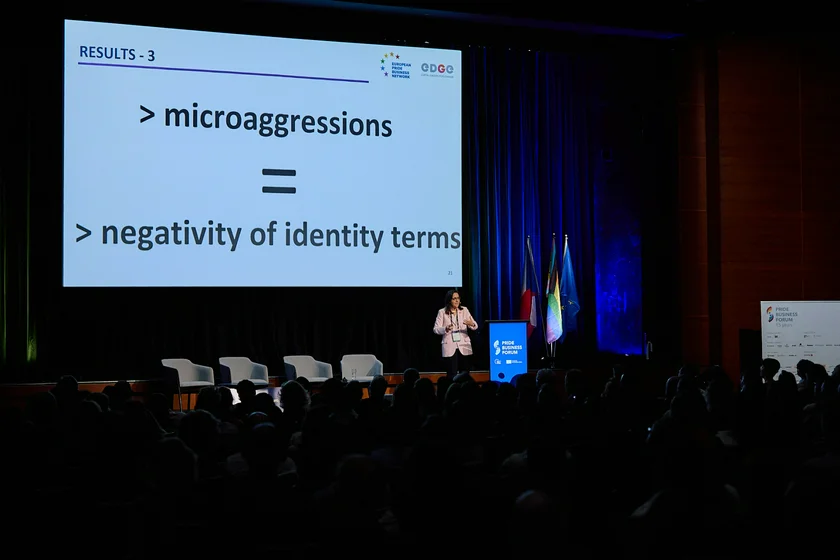
Her insights were supported by data from a survey of 3,600 people across five EU countries on workplace microaggressions. These kinds of comments, assumptions, jokes, silence, or even the way colleagues respond when harm is raised, create a different layer of exclusion that isn’t always apparent.
These words were especially important for employers at the conference to hear, so they could understand how inclusion is shaped less by public messaging than by how managers and teams behave every day. The work doesn’t stop at a one-day-workshop. The sessions emphasized consistent training is needed to create low-risk ways for employees to report problems.
Blanka Maderová, President at Jiný pohled, added the perspective of queer migrants, with a focus on Slovak queer people and Ukrainians. She clearly described how legal status, language, family ties, housing, and the political climate in a person’s home country can all affect how safe they feel at work in a new country.

Her session showed how safety can become layered for people crossing borders, which directly impacts the current expat community in Czechia.
Companies can act, but they cannot replace rights
The business-focused panels brought the conversation back to employers operating across Europe. Roman Samotný of Inakosť Initiative, Óscar Muñoz of REDI, and Michaela Havel Švarcová of MSD discussed how companies can adapt inclusion work to different countries without losing credibility. Their discussion pointed to the importance of local trust, employee networks, and country-specific action rather than copy-pasted inclusion campaigns.
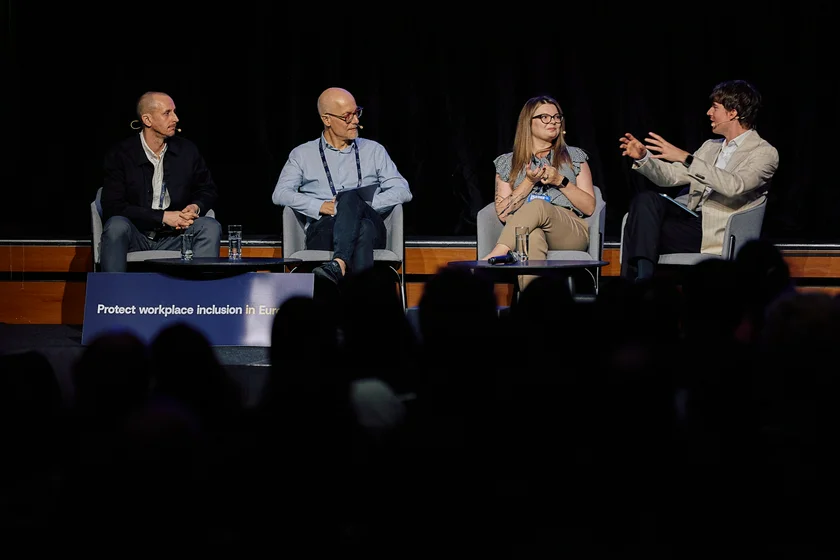
A later panel with Miltos Pavlou of the EU Agency for Fundamental Rights, Aaron Giardina of Human Rights Directorate, Republic of Malta, Vincent Lecerf of Orange, and Maxime Legrand of the Confédération Européenne des Cadres examined whether business can drive change when policy is slow or uneven.
The implied answer from the session was cautious: companies can make workplaces safer, but rights should not depend only on employer goodwill.
How LGBTQ+ discrimination can lead to systemic change
The most personal example of institutional harm and repair came from Martine Roy, Co-Chair of the LGBT Purge Fund, whose story connected workplace discrimination to litigation, accountability, and long-term systemic change.

Roy was previously removed from the Canadian army in 1984 because she was a lesbian. Her presentation brought the event’s strongest testimony, as someone who later became one of the lead voices in a class-action lawsuit that led to a CAD 145 million settlement and a federal apology in 2017.
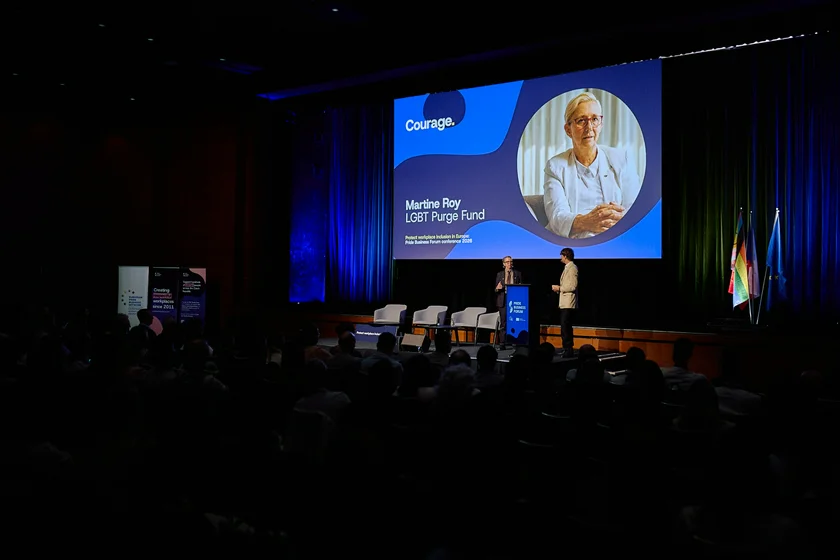
Her message shifted the focus from individual leadership, arguing that lasting change depends on shared responsibility rather than isolated advocates.
For international teams in Czechia, inclusion is practical work tied to both people’s safety and Europe’s competitiveness. The event’s main message was that LGBTQ+ inclusion cannot stop at policy, visibility campaigns, or awards. Safer workplaces depend on legal protection, local trust, manager training, employee networks, and daily behavior.