




 Reading time: 2 minutes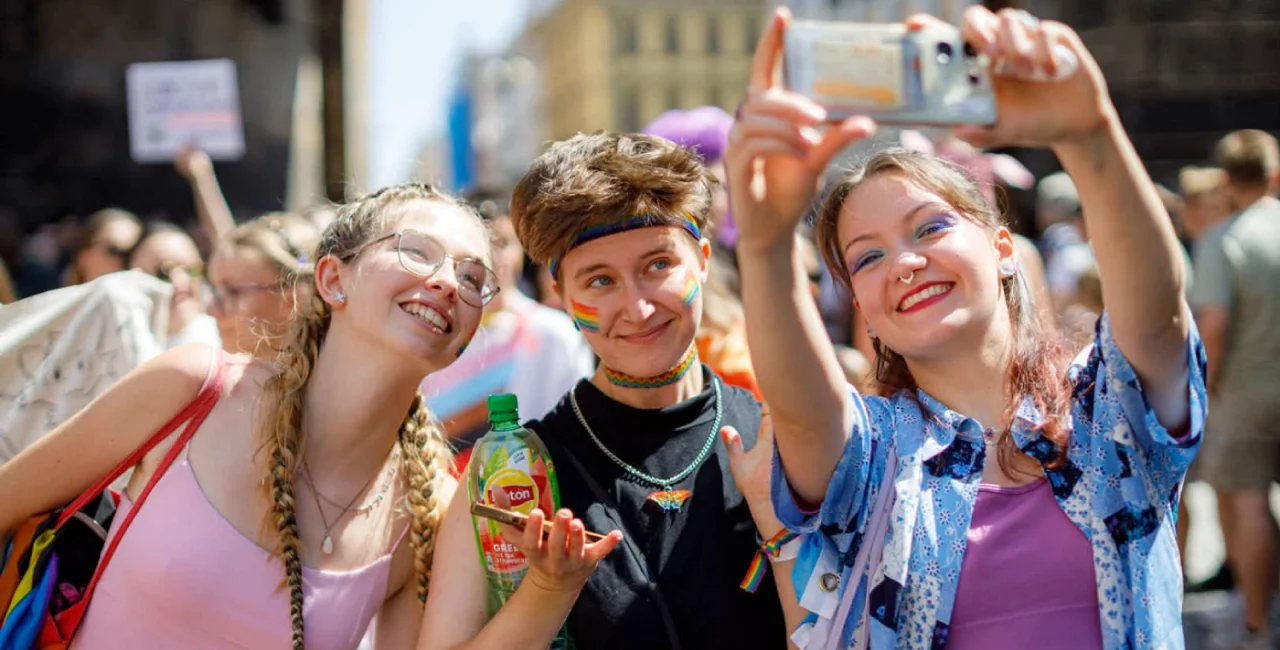

 Summary for: PHOTOS: 45,000 take part in Prague Pride parade through Czech capital
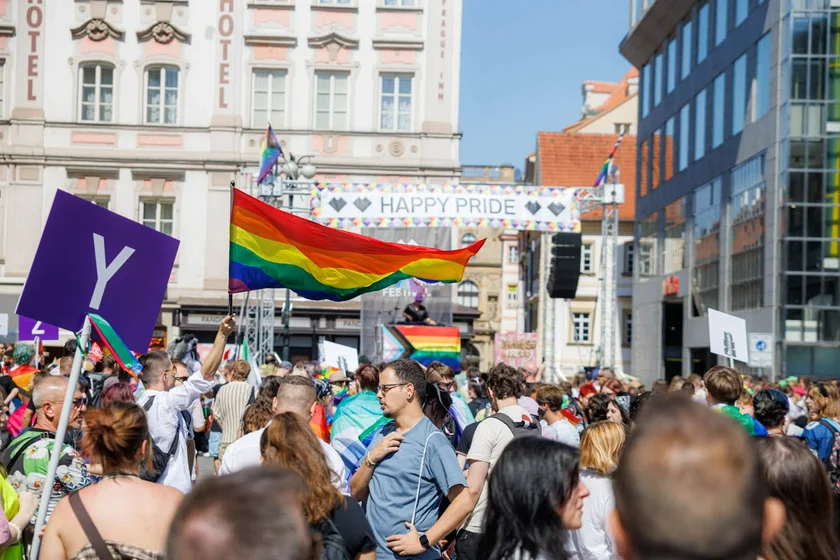
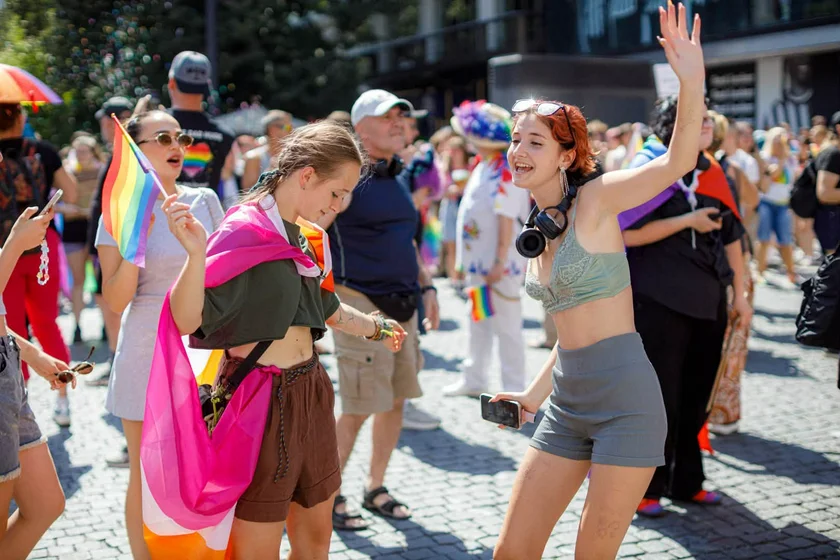
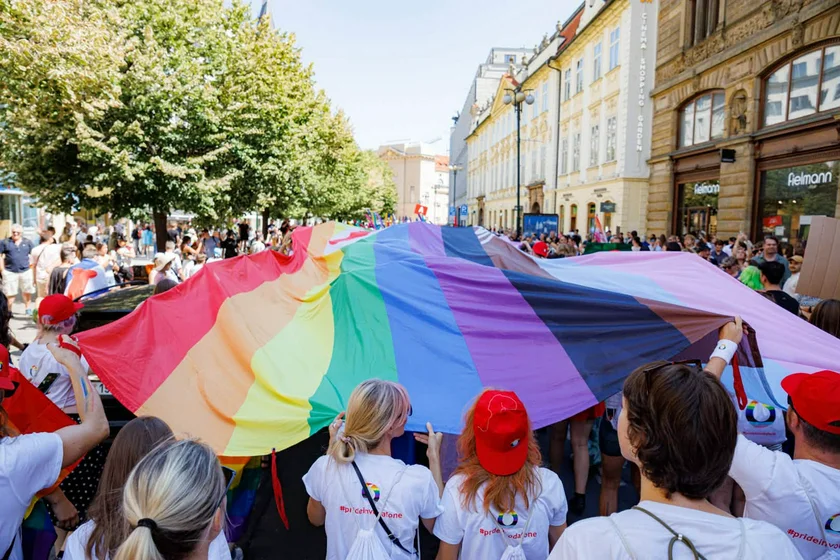
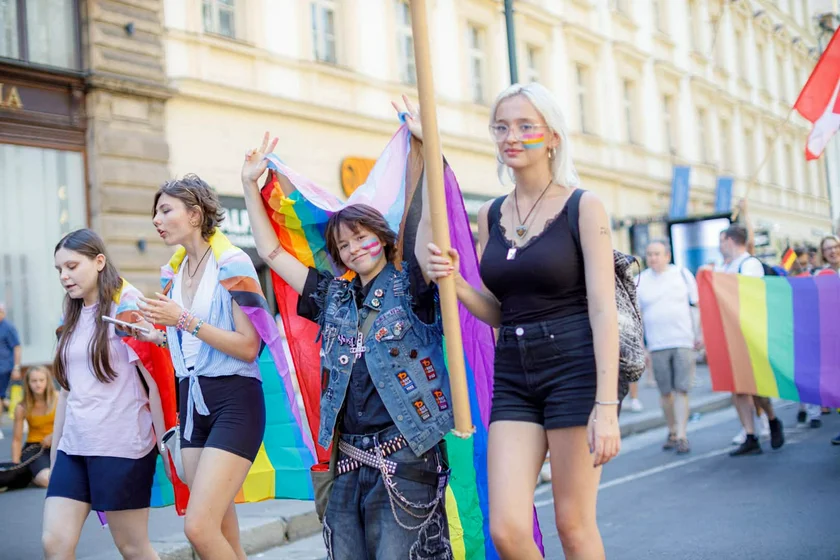
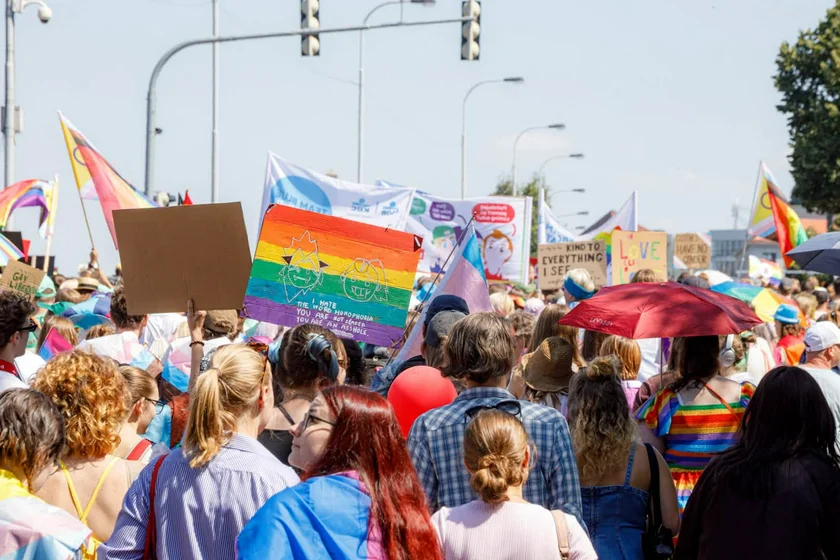
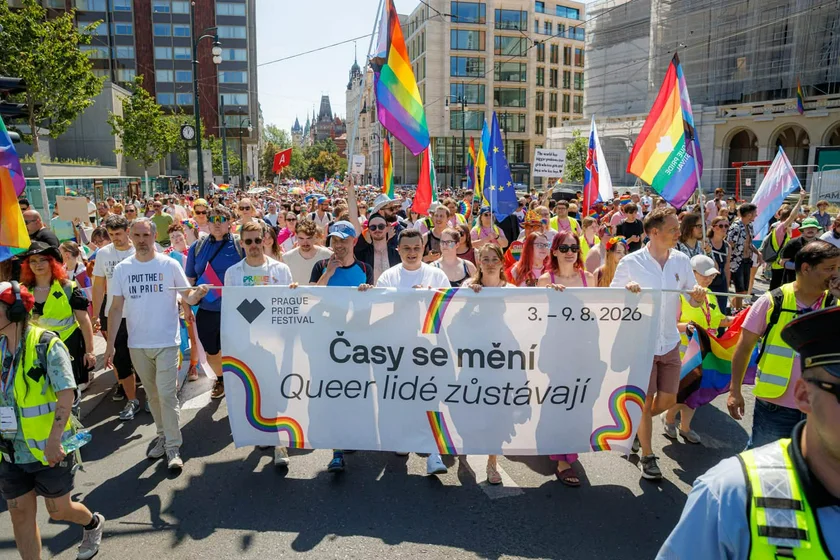
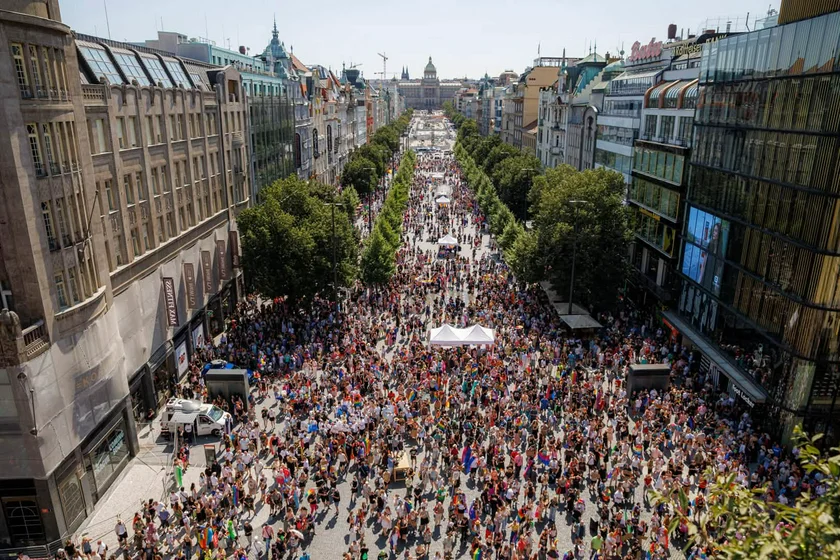
Participants in colorful clothing and rainbow accessories gathered on Wenceslas Square from the morning before setting off shortly before noon on Saturday. Organizers estimated 45,000 people joined the parade, roughly matching last year’s turnout, despite a decrease in corporate support for this year's edition.
The parade was the closing event of the week-long Prague Pride festival. It traveled through the center before ending on Štvanice island, where participants attended concerts and other events across five stages. Hundreds of police officers, including an anti-riot unit, monitored the route, and no major incidents were reported.
Parade route and security
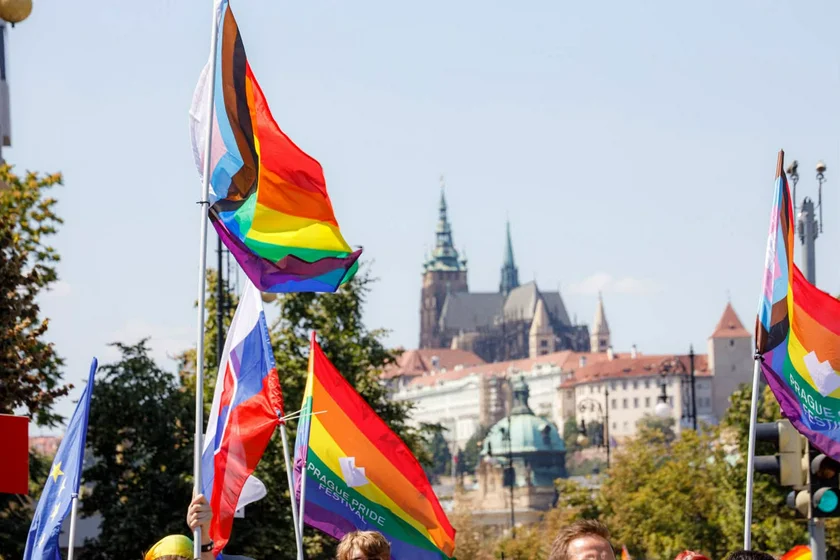
The procession left Wenceslas Square and continued along Na Příkopě, through Republic Square and Celetná Street to Old Town Square. It then followed Pařížská Street and the river embankments before crossing Hlávka Bridge to Štvanice.
Traffic restrictions were put in place along the route while the parade passed through the center. Police spokeswoman Eva Kropáčová told Czech News Agency that officers did not encounter any significant complications during the more than two-hour event.
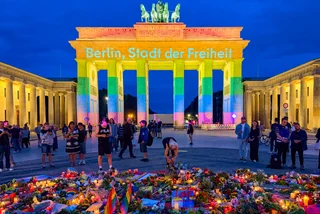
Five minutes before the parade began, participants observed a minute of silence for victims of a July attack at a similar LGBT+ rights event in Berlin. One person was killed and about 30 others were injured after an attacker drove into a crowd at the event.
Prague Pride director Kamila Fröhlichová said the Berlin attack had heightened the significance of this year's festival. She said hostility toward LGBT+ people can begin with hateful language and expressions before escalating into physical violence.
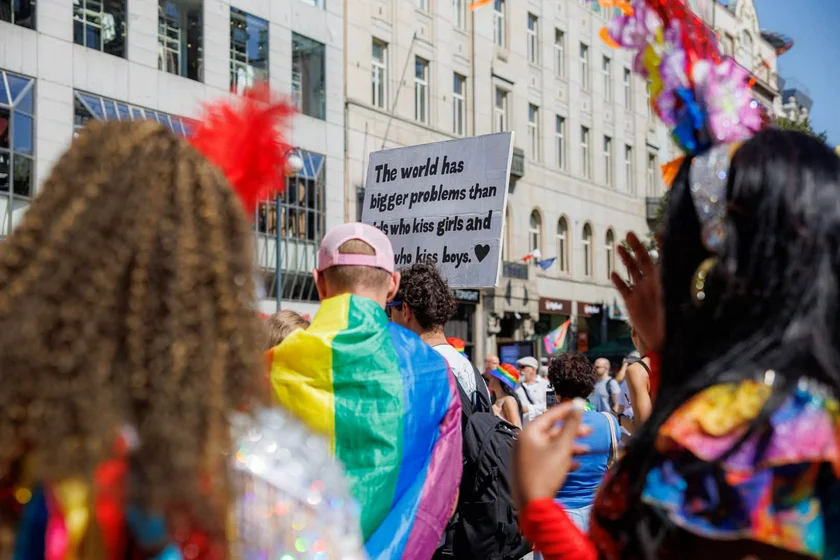
The parade included families with children, younger LGBT+ participants accompanied by their parents, and groups representing political parties and organizations. Participants carried rainbow flags alongside national flags and banners with messages including “Less judgment, more love.”

There were also opponents of the parade along the route. Some shouted religious messages at participants, while police kept them separated from the procession. Pro-Palestinian protesters also gathered on Havířská Street, and two Gospel-preaching events were reported along the route.
Prague Pride sees lower corporate support in 2026
This year's festival has also faced a decline in financial and institutional support. Fröhlichová said corporate backing was down by roughly CZK 500,000 compared with last year, while the festival introduced a voluntary CZK 200 admission fee to help offset the shortfall.
She attributed the decline partly to a broader international retreat by companies from Pride sponsorships and said the festival had not received government patronage for the first time in several years. The festival's listed partners include the Ministry of Culture, while Prague Mayor Bohuslav Svoboda and other city officials provided patronage.
Prague Pride was first held in 2011 and initially faced large conservative protests. Those demonstrations have generally declined in subsequent years, while the annual parade has become a regular event on Prague's summer cultural calendar.