


 Reading time: 4 minutes

 Summary for: 'Patients should not simply obey': How one female surgeon is modernizing Czech healthcare
For many foreigners in the Czech Republic, the hardest part of visiting a doctor isn’t the treatment itself, but the conversation. Communication styles can feel abrupt, explanations brief, and patients often leave appointments unsure of what has been decided.
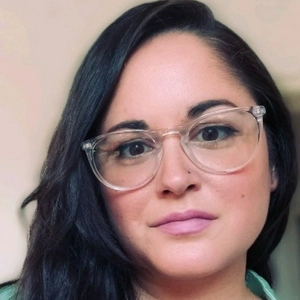
doc. MUDr. Barbora East, PhD, FEBS AWS, a Prague surgeon specializing in abdominal wall reconstruction, hernia surgery, and minimally invasive techniques, believes this is one of the biggest gaps in the system.
“Unfortunately, the prevailing mentality among some doctors here is that patients should simply obey,” she explains. It’s not a sentiment she personally embodies, however. In her purview, “patients have a fundamental right to be understood, to receive clear communication, and to be cared for according to the best, most up-to-date evidence we have.”

At MY CLINIC in Prague, where she serves as Chief Medical Officer of the One-Day Surgery Center and Head Physician of the General Surgery Outpatient Department, East says the structure makes this possible. For expats, that means access not only to advanced surgical expertise but also to a rare emphasis on dialogue, prevention, and partnership—themes that shape East’s career and philosophy of care.
Changing medicine from the inside
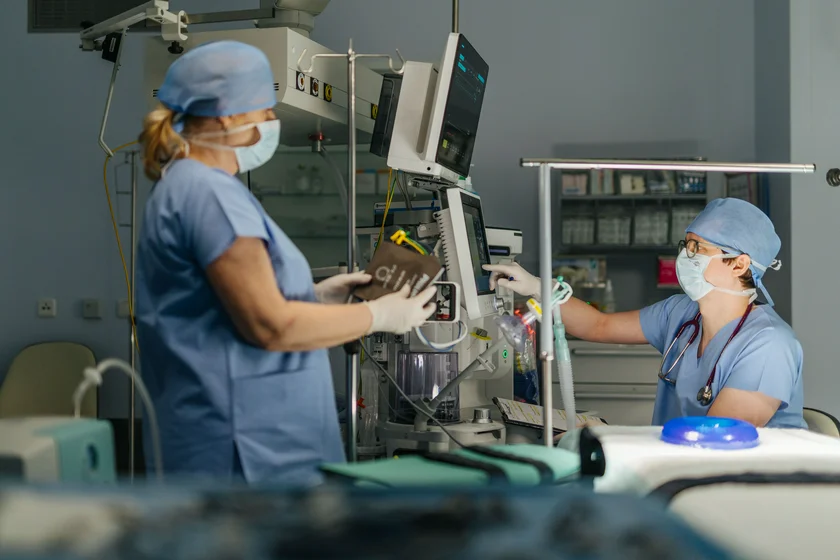
“Representation matters,” East emphasizes. “Seeing women in the operating room, on podiums, and in leadership roles helps the next generation believe they can be there too.”
East’s professional path was built on technical expertise, leading research on complex hernias, surgical mesh complications, and the use of botulinum toxin. She serves as Quality Secretary of the European Hernia Society, contributes to guideline development, examines candidates for European certification in abdominal wall reconstruction, and has received several prestigious awards for her publications.
But her journey has also meant breaking barriers. “When I began my surgical career, women were still a rarity in the field. I had to prove myself again and again—in the operating theatre and in research—and even then, I often felt I wasn’t granted the same trust or opportunities as my male colleagues.”
I’ve been mistaken for a nurse countless times,” she adds, “and once a patient even refused to be anaesthetized until he could speak to ‘a man.’ There are many excellent female doctors in Czechia, but they’re not always the public faces of their departments.”
Today, she focuses on changing that culture, mentoring younger colleagues and supporting other professionals in establishing the Women in Surgery section within the Czech Surgical Society. East also researches systemic issues in medicine. She and her colleagues secured a Czech Technology Agency grant to study young doctors and medical students.






The findings, particularly around female doctors, were alarming to her, and emphasized just how much work still needs to be done. Her advice to young women is clear: master your skills, seek supportive mentors, and be resilient. Surgery is demanding but rewarding for those with passion. Coping mechanisms, whether meditation, sport, or another outlet, are essential.
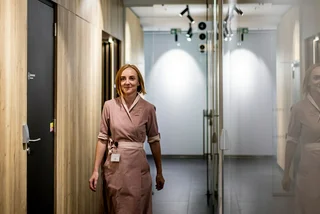
As she puts it, choosing this path often means navigating unsolicited opinions, entrenched patriarchy, and advice from men unfamiliar with the challenges women face. “The only way forward is to gradually rewrite the rules. That takes time, persistence, and solidarity.”
Prevention and women’s health
Many health problems can be avoided or treated more effectively with prevention, particularly for women, according to East. She notes that women often put their own health last while juggling work and caregiving, and that medicine has long been studied through a male lens.
As a result, women’s symptoms are sometimes dismissed or mistaken for psychosomatic issues, which is deeply concerning,” she says.
To counter this, she stresses the importance of staying up to date with routine screenings such as cervical, breast, and colon cancer checks, since early attention to symptoms usually means less invasive treatment and better recovery.

Her advice for doctor visits is equally practical: prepare questions in advance, ask for clarification, and seek out physicians who take the time to explain. She recommends using word-of-mouth within expat and local communities, and points patients with hernia-related concerns to the Hernia Patients Support Group on Facebook, which is patient-led with communication predominantly in English.
Raising standards in Czechia
While standards in Czechia’s healthcare system are very high, expat feelings on how the system serves them still vary. Some recognize its accessibility, highly skilled surgeons, and solid patient outcomes. But East also sees gaps in how consistently international guidelines are applied and in the level of patient education and shared decision-making. In her view, communication remains the area where the system falls furthest behind.

“Communication skills are also not consistently taught as part of medical training here, which can make it difficult to find a truly communicative doctor, regardless of gender,” she says.
I believe in shared decision-making and true partnership. It’s not my body. I have no right to make decisions about it unless the patient fully understands their options.”
Drawing on her experiences from time spent in the UK, East notes that even challenging cases there were managed with professionalism and empathy, leaving patients feeling cared for. In Czechia, she says, heavy workloads, low pay, and frequent overtime too often result in burnout and reduced compassion.
“At MY CLINIC, we strive to create a care environment where patients are true partners in their treatment, not just passive recipients. We emphasize clear communication, respect for patient autonomy, and the latest evidence-based practices to raise the standard of care.”
For expats navigating Czech healthcare, her message is clear: you deserve a doctor who not only brings technical expertise but also takes the time to explain, listen, and treat you as a partner in your own care.