 Reading time: 3 minutes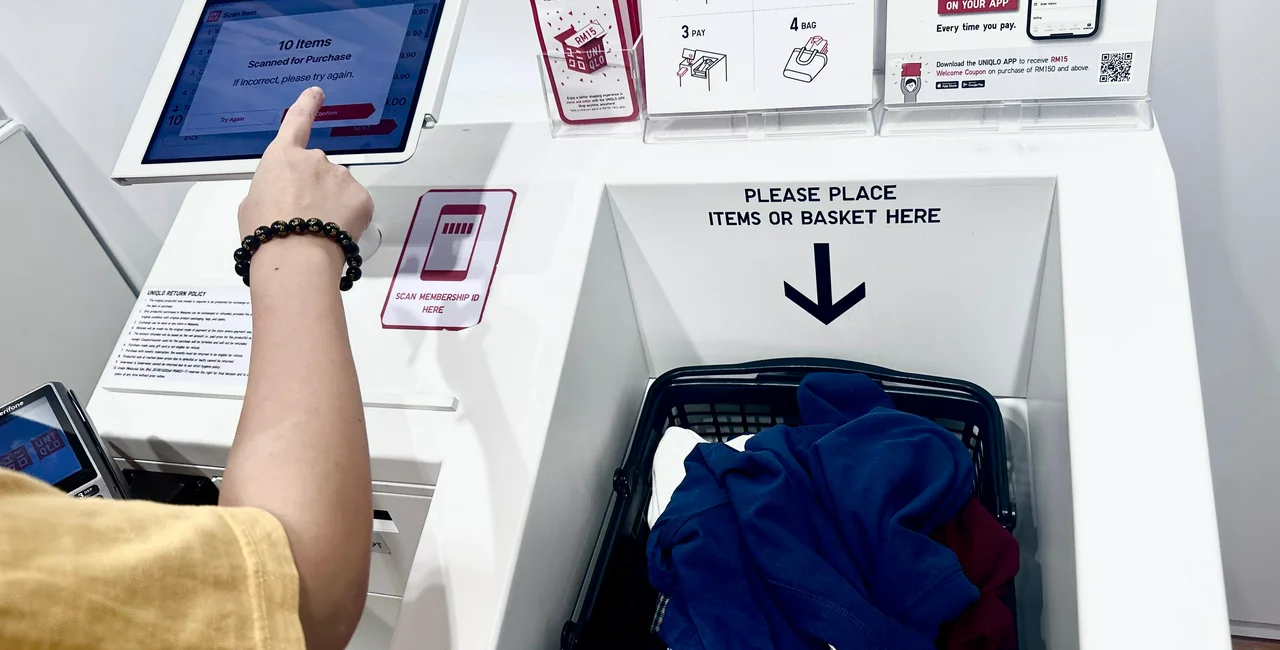

 Summary for: Czech kiosk economy takes off, from ride-hailing to retail
On a recent shopping trip in Berlin, I encountered few cashiers. At Uniqlo, Bershka, and Pull&Bear, I put clothes into a checkout bin, and the system processed the purchase without me scanning each item individually.
Czech retail is beginning to move in the same direction. When Primark opens its new store at Avion Shopping Park Ostrava on Sept. 8, it will become the first Primark store in Czechia with self-service checkout stations.
Self-service is already well established in Czech grocery retail, where self-checkouts have become commonplace across major supermarket chains.
The next phase is broader automation: Albert is rolling out AI-powered product recognition at self-service checkouts after a 2025 pilot, while dozens of unmanned 24/7 stores opened across Czechia in 2025; COOP alone had 94 automated stores by early 2026.
Primark brings self-service to fashion
Primark's Ostrava store will occupy around 3,100 square meters across two floors and employ nearly 100 people. The retailer expects the location to attract customers from across Moravia as well as nearby Poland.
The self-service checkouts will allow customers to scan and pay for their purchases without using a staffed checkout. Primark's existing Czech stores in Prague and Brno currently use conventional staffed checkouts.
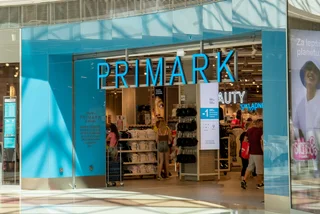
The Ostrava store will be Primark's fourth location in Czechia. The company entered the Czech market in 2021 and is continuing to expand, with another Prague store planned for Westfield Černý Most.

Digital transactions without the app
Bolt's kiosks represent a different form of digital transaction, one that does not require a smartphone. The company has launched TapBox self-service terminals at Westfield Chodov, with a second due at Westfield Černý Most on Sept. 1.
Customers enter their destination, choose a vehicle category, provide a phone number and pay by card, then receive a printed confirmation and an SMS with vehicle and pickup details. The kiosks operate around the clock in Czech, English, German, French and Ukrainian, with a CZK 25 surcharge for rides booked through them.
Bolt first tested the system at airports in Slovakia. At Košice Airport, more than 1,000 Bolt rides were booked through the system in its first three months.
Bolt's Czech and Slovak general manager, Jan Uhlíř, told iDNES that customers began using the kiosks immediately during the airport tests. He also pointed to customers who do not have the Bolt app or a smartphone, as well as situations such as a dead phone battery.
Bolt says it will assess the Prague kiosks before deciding whether to expand to other high-traffic locations. Prague Airport is among the potential future sites, although that would require an agreement with the airport.

What is innovation replacing?
The shift isn't simply about removing people from transactions. It also means removing steps. A Bolt kiosk removes the need for an app; a self-checkout removes the need for a cashier; AI product recognition removes the need to manually scan products.
But when technology takes over parts of a process that were previously handled by a person, questions arise.
“The introduction of technology does not mean reducing the number of employees,” Lidl spokeswoman Andrea Ringelhánová told Novinky in January. Staff who previously operated conventional checkouts, she said, can instead supervise self-service areas or focus on maintaining store cleanliness.
Mastercard's latest research confirms public preparedness for AI at the checkout; nearly one in five Czechs would let AI recommend a payment method, while 12 percent would already trust AI to manage payments.
But as technology reduces steps and makes cards and even apps optional, the next frontier may be a transaction that barely feels like spending money at all (tell that to your bank account after a weekend in Berlin).