Fewer babies, fewer maternity wards: Czech births could hit another record low

Births could fall below 75,000 this year, prompting plans to reshape maternity and pediatric services while maintaining access to care.

Expats.cz Staff

Written by Expats.cz Staff Published on 12.11.2026 05:55:00 (updated on 12.11.2026) Reading time: 2 minutes
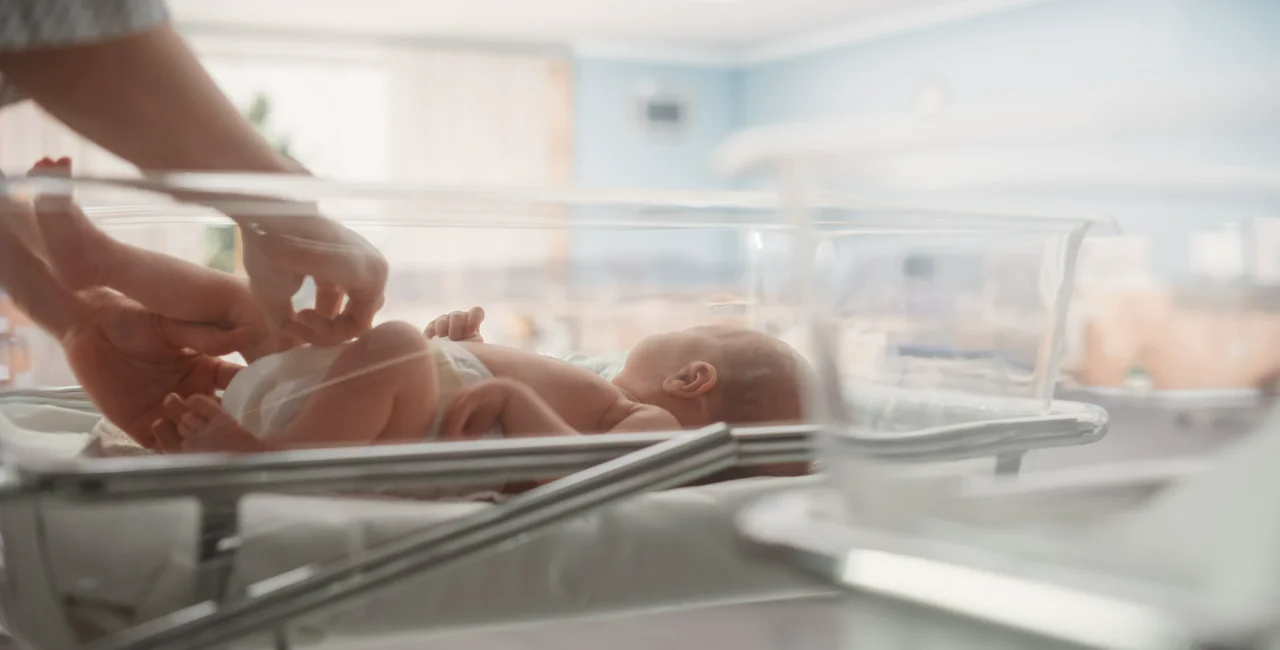
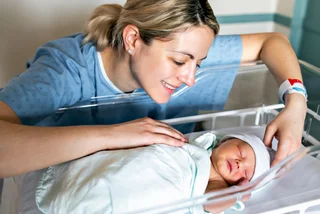
Fewer than 75,000 babies could be born in Czechia this year, setting another record low and adding pressure to reorganize maternity and children’s healthcare services.

Ladislav Dušek, director of the Institute of Health Information and Statistics, presented the estimate Wednesday at a Senate public hearing on declining birth rates. The previous low was recorded in 2025, when 77,636 children were born.

Dušek said the downward trend was not expected to stop before the end of the decade. He described changes to the maternity and pediatric care network as inevitable, while stressing the need to preserve accessibility and quality.

Smaller generations and later parenthood drive decline

Birth numbers fell for a fourth consecutive year in 2025.

One underlying factor is demographic: smaller generations of women born in the 1990s are now passing through their reproductive years.

“A noticeable decline in the number of women of reproductive age logically leads to a decline in births,” Dušek said.

People are also starting families later, influenced by economic conditions, changing lifestyles and difficulty finding affordable housing.

The average age of first-time mothers approached 30 last year. Across all births, mothers’ average age exceeded 31—approximately five years higher than in 2000.

Almost half of children were born to unmarried parents.

Dušek said roughly one-fifth of maternity hospitals did not meet a threshold of 600 births annually. Details of proposed changes to maternity and pediatric services are due in early December.

He did not identify individual hospitals facing changes during the hearing. The figures therefore signal pressure on the network rather than an announced list of closures.

Housing, childcare and tax relief among proposed responses

Speakers outlined ways to make parenthood easier, focusing on practical support for families.

Tomáš Sobotka of the Vienna Institute of Demography presented 13 policy options used in countries including Germany and the Nordic states.

They included more affordable housing, greater access to part-time work and childcare for children under three.

Other examples included full replacement of lost earnings for up to two years of parental leave and 10 days of leave for parents of children under eight. These were options discussed at the hearing, rather than newly approved Czech benefits.

PAQ Research sociologist Daniel Prokop highlighted kindergarten availability and higher child tax credits as measures that could help improve birth rates.

He said credits for second and third children had not increased since 2021 and recommended raising the annual first-child credit to CZK 22,320, matching the current amount for a second child.

The increase would cost the state approximately CZK 4.5 billion annually, he estimated.

The hearing linked the demographic outlook with both immediate family expenses and longer-term changes to public services.

Did you like this article?

Czechia’s latest news

Read all the headlines
Want to see more from us? Select Expats.cz as a preferred source on Google.