


 Reading time: 1 minute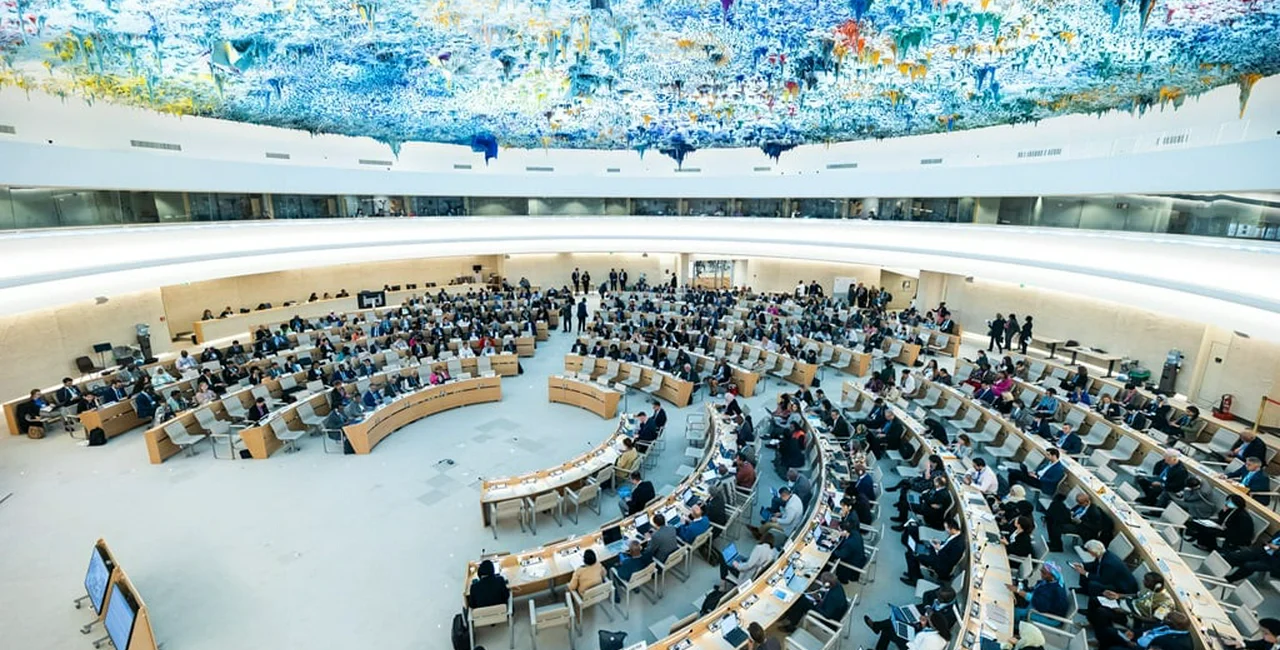

 Summary for: Czechia backs WHO pandemic pact as Slovakia rejects deal
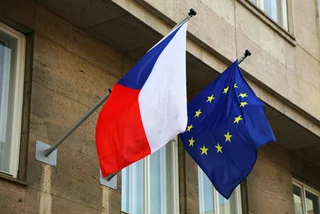
Czechia has expressed support for a proposed World Health Organization (WHO) pandemic agreement, distancing itself from neighboring Slovakia, where the government has rejected the deal—sparking controversy both at home and abroad.
The Czech Health Ministry said the draft pact respects national sovereignty and cannot impose measures on member states. Prague expects to move forward with the ratification process once the final version is approved at the World Health Assembly, which began Monday in Geneva.
In contrast, Slovakia’s government, led by Prime Minister Robert Fico, announced it will not support the agreement, arguing it undermines national sovereignty and human rights. Fico’s Social Democrats (Smer-SD) and the Slovak National Party have fiercely opposed the pact, which was drafted in response to the Covid-19 pandemic to enable faster and more coordinated global responses.
Fico said the government has instructed Slovakia’s delegation to vote against the agreement. He reiterated this position after a phone call with WHO Director-General Tedros Adhanom Ghebreyesus.
The stance has triggered friction within Slovakia’s ruling coalition. The Voice-Social Democracy (Hlas-SD) party, which holds the health ministry, criticized the decision as potentially damaging in a future pandemic. Slovak President Peter Pellegrini, also a former Hlas-SD leader, called the rejection “irresponsible” and warned it may isolate the country.
The Slovak Academy of Sciences (SAV) also pushed back against the government’s arguments, stating the treaty explicitly respects national competences and safeguards human rights. It accused the cabinet of spreading disinformation and endangering public health.
Opposition parties described the government’s move as an international embarrassment and accused Fico’s administration of aligning with conspiracy theories—some of which have been promoted by the state’s Covid-19 review commissioner, Peter Kotlar. He has falsely claimed that mRNA vaccines alter DNA and cause cancer, positions widely debunked by scientific research.
The WHO pandemic agreement will be discussed at the World Health Assembly from May 19 to 27.