




 Reading time: 3 minutes

 Summary for: Czech news in brief for June 14: Sunday's top afternoon headlines
 Government to debate scrapping TV, radio fees
Today's top news
The Czech government is set to debate major media funding reforms on Monday, including plans to abolish television and radio license fees and replace them with state budget financing. Ministers are also expected to consider a proposal criminalizing drink spiking.
Meanwhile, Czechia is heading into a sharp summer warm-up, with forecasters warning that temperatures will climb steadily from midweek and peak above 30°C by Friday. Stay cool this week and check back tomorrow for more updates.
Government to debate scrapping TV, radio fees
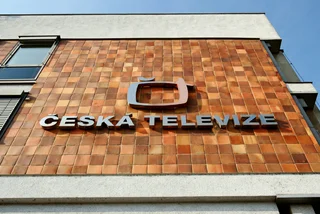
The Czech government will discuss plans to abolish license fees for Czech Television and Czech Radio on Monday, with ministers expected to decide how the public broadcasters would be funded from the state budget instead. The proposal is part of a broader media reform package linked to the coalition’s program.
Funding shift: Officials say the move would replace household fees with predictable state financing, while broadcaster representatives warn it could threaten independence and reduce financial stability. The cabinet is also expected to consider related changes, including expanded audit powers for the Supreme Audit Office.
Other top headlines
Czechia targets drink spiking with new law
The Czech government is likely to support a proposal that would make it a criminal offense to secretly add drugs or other intoxicating substances to someone’s drink, food, or body. The measure targets drink spiking, which lawmakers say can severely undermine personal autonomy.

Tougher penalties: The draft law introduces penalties of up to one year in prison for the basic offence, with up to 10 years in cases where the victim dies. The proposal is part of broader efforts to address drugging incidents in nightlife venues and private gatherings, which research suggests are significantly underreported.

Prague redirects Covid funds to schools, heritage
The City of Prague will redirect more than CZK 435 million in returned EU funds from Covid-era financial instruments into school capacity expansion and the renovation of protected cultural monuments. The money originally came from unused support programs linked to Covid-19 and investment tools.
New priorities: City officials said the funds will now be used for projects addressing long-term shortages in school places in growing districts and for restoring historic buildings. Prague authorities described the move as an efficient reuse of resources that would otherwise have been returned to the EU budget.
Czechia may raise interest rates this week
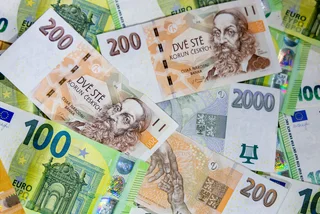
The Czech National Bank’s board will decide on Thursday between keeping interest rates unchanged or raising the base rate by 0.25 percentage points to 3.75 percent, according to analysts. Economists say arguments exist for both scenarios, with inflation risks and external pressures weighing on the decision.

Policy dilemma: Some analysts point to rising inflation risks, including geopolitical tensions and strong wage growth, as reasons for a possible hike. Others argue the central bank may hold rates steady given recent inflation easing and uncertainty over the European Central Bank’s next steps. The base rate has stood at 3.5 percent since last May.
News you can use
Heatwave to bring high temperatures this week
Temperatures in Czechia are expected to rise sharply in the second half of this week, with forecasters predicting a shift to tropical conditions following the passage of a warm front. The warm-up will culminate in highs above 30 degrees Celsius, with storms expected toward the weekend.
Warming trend: Early in the week will remain relatively cool, but temperatures will steadily climb from midweek onwards, reaching 29–33 degrees by Friday. Meteorologists warn that the heat will likely persist into the weekend, when isolated thunderstorms may develop in the afternoons.
Daily poll: Summer train travel
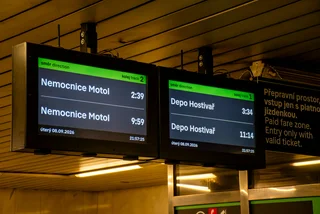
Poll results: A new national railway timetable came into effect this weekend, introducing seasonal summer trains and other changes. We asked readers whether they plan to travel by train this summer. The largest share, 41 percent, said they might take the train for occasional trips, while 32 percent do not plan to travel by rail. Twenty-seven percent said they expect to use trains regularly for summer travel.