

Bring your own coffee cup: EU packaging rules will change takeaway in Czechia
From 2027, cafés and restaurants must let customers bring their own containers for takeaway food and drinks under new EU packaging rules.

Expats.cz Staff

Written by Expats.cz Staff Published on 17.08.2026 09:29:00 (updated on 17.08.2026) Reading time: 3 minutes

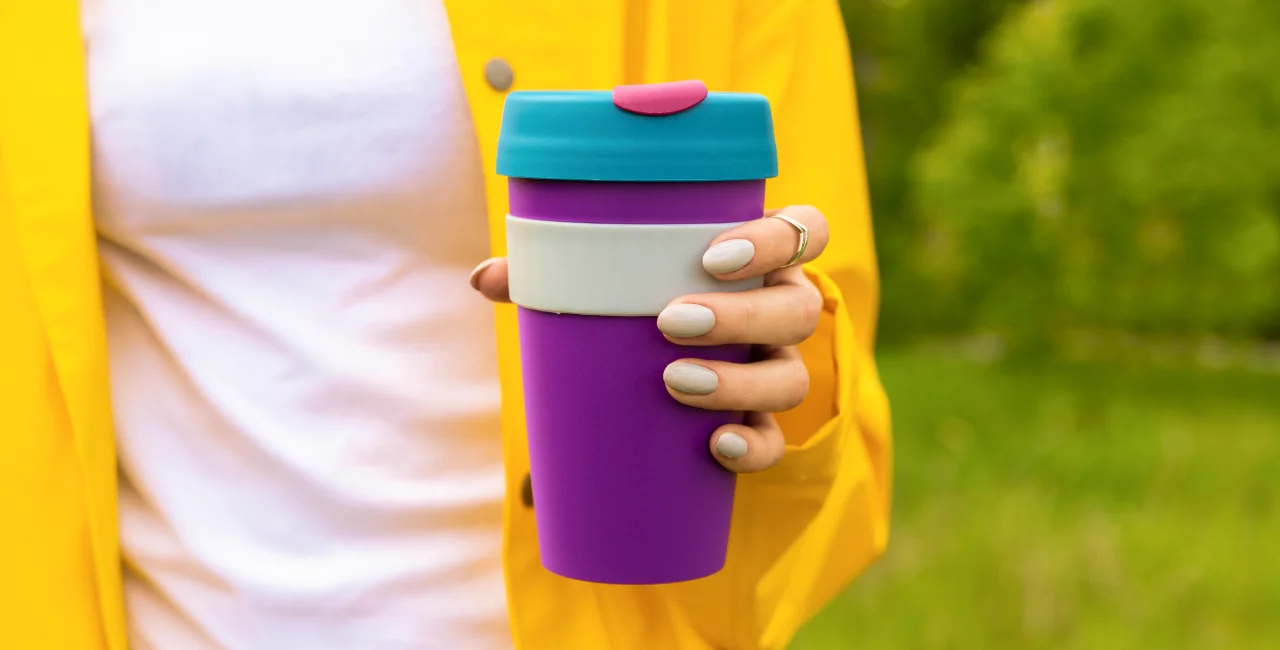
If you regularly grab a coffee to go, a change coming to Czechia could eventually make your reusable cup more useful.

From February 2027, food-service businesses will have to allow customers to bring their own containers for takeaway food and drinks under new European packaging rules.

The requirement is part of the EU’s Packaging and Packaging Waste Regulation (PPWR), which is designed to reduce packaging waste and encourage the reuse of containers.

The regulation entered into force in 2025, but its individual requirements are being introduced gradually through 2030.

For customers, the change should be relatively simple: if you want your takeaway coffee in your own reusable cup, cafés and other food-service businesses will have to allow it.

New rules would make 'BYO' trend more widespread

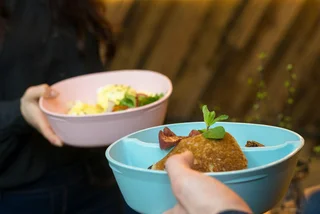
Reusable packaging systems are already available in Czechia, including services that allow customers to borrow and return containers for food and drinks.

But the new rules are intended to make bringing your own container a more widespread option rather than something that depends on whether an individual café is willing to accommodate it.

AGENCY PROPERTIES

Apartment for rent, 5 bedrooms +, 295m<sup>2</sup>

Apartment for rent, 5 bedrooms +, 295m2

Pařížská, Praha 1 - Staré Město

Apartment for rent, 3+kk - 2 bedrooms, 109m<sup>2</sup>

Apartment for rent, 3+kk - 2 bedrooms, 109m2

Laubova, Praha 3 - Vinohrady

Apartment for rent, 3+kk - 2 bedrooms, 107m<sup>2</sup>

Apartment for rent, 3+kk - 2 bedrooms, 107m2

Ječná, Praha 2 - Nové Město

Ondřej Širočka, founder of reusable packaging systems REkrabička and REkelímek, told iDnes.cz that simply requiring businesses to offer reusable packaging does not necessarily mean customers will use it.

“In practice, operators can comply with legislation by purchasing a few reusable containers, but if they do not actively offer them, the environmental impact is zero,” he said.

What about your takeaway coffee?

For people who already carry a reusable cup, the change should make it easier to use it when ordering a takeaway drink.

The rules apply to takeaway food and drinks, although there are exceptions and lighter obligations for micro-businesses. From 2028, larger food-service operators will also have to offer reusable packaging options.

The changes are part of a much broader overhaul of packaging across the EU. The regulation entered into force in 2025, but its individual requirements are being introduced gradually through 2030.

WHAT ELSE IS CHANGING?

Less unnecessary packaging: From 2030, transport and e-commerce packaging will face limits on empty space, including space filled with paper, foam or air cushions. The aim is to reduce oversized boxes and unnecessary packaging material.

Fewer “forever chemicals”: New restrictions on PFAS, chemicals sometimes known as “forever chemicals,” are now applying to food-contact packaging.

Pizza boxes and food packaging: The new rules also introduce requirements around recyclability, recycled content and the use of packaging for food and drinks, with further restrictions on some single-use plastics coming later.

Hotel toiletries: From 2030, hotels will no longer be allowed to provide many single-use plastic containers for products such as shampoo, shower gel and body lotion.

Refill stations: From 2030, larger retailers with more than 400 square meters of sales space will have to devote 10 percent of their sales area to refill options for products such as household goods and dry foods.

Clearer recycling labels: New common EU packaging symbols are intended to make recycling instructions easier to understand across different countries.

A gradual change

The new rules do not mean that all takeaway packaging will suddenly disappear next year.

Instead, businesses will have to gradually adapt their packaging, logistics, and systems as different requirements come into force.

As Širočka puts it, the goal is for reusable packaging to actually circulate rather than simply exist as another option: “Ideally, the system should work in such a way that the packaging in circulation is utilized as much as possible.”

Did you like this article?

Want to see more from us? Select Expats.cz as a preferred source on Google.