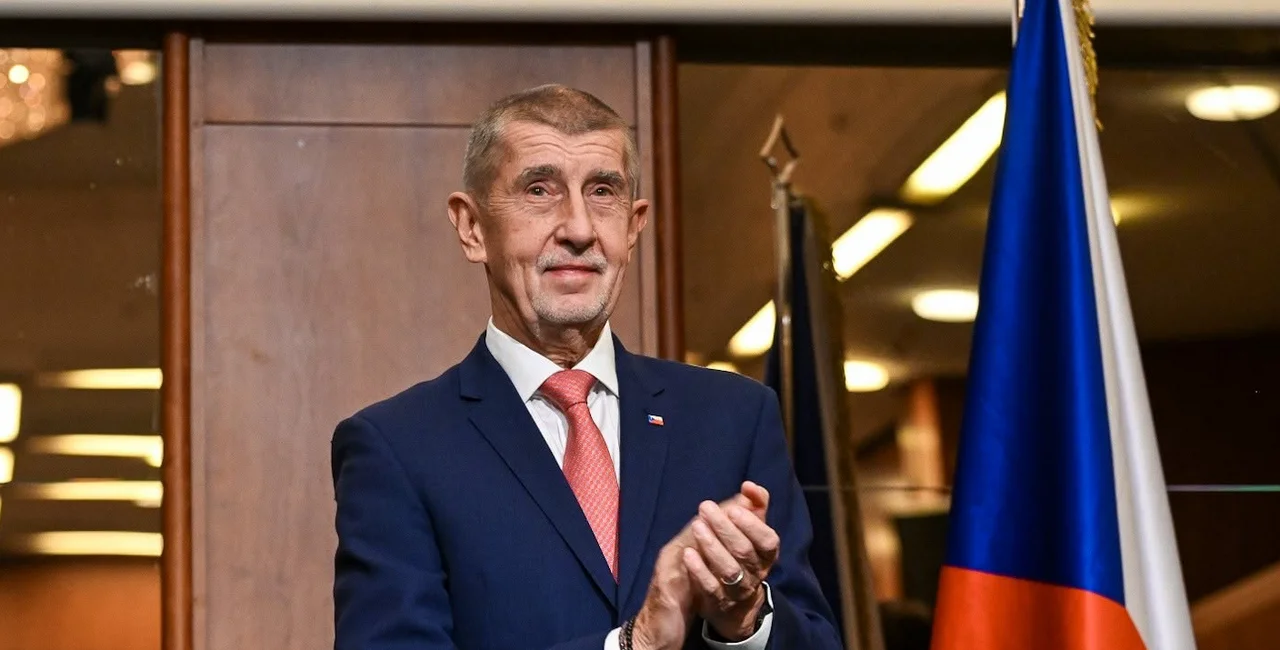
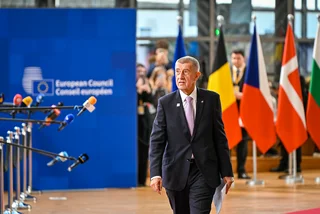
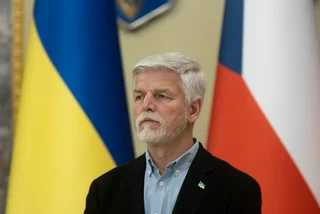
Prime Minister Andrej Babiš will meet Ukrainian President Volodymyr Zelenskyy in Dublin this week, amid disagreements over further European financial support for Ukraine and the EU’s role in peace negotiations.
Babiš told Blesk.cz on Wednesday that Zelenskyy had requested the meeting. He did not announce its precise timing.
The Czech prime minister is traveling to Ireland for a European Political Community summit and an informal meeting of EU leaders. He is expected to remain there until Friday.
Czech premier presses for a European negotiating role
Babiš said he wanted Europe to clarify who would represent it in efforts to end Russia’s war against Ukraine.
“Europe must finally say who will negotiate for us and how,” he said, arguing that the bloc needed to take a more active diplomatic role.
He said he would seek Zelenskyy’s views during their meeting.
The remarks follow a letter Babiš sent to European Council President António Costa ahead of the Dublin gathering. In it, he rejected linking additional financing for Ukraine to negotiations over the EU’s next long-term budget.
Babiš also backed Italian Prime Minister Giorgia Meloni’s demand that the EU decide by the end of December who would represent it in talks concerning Ukraine.
He described the letter as support for Meloni’s criticism of how the European Council was functioning and said Europe needed to engage in bringing the war to an end.
No joint negotiating mandate or agreed European representative was announced in his comments.
Meeting follows clash over further financial support
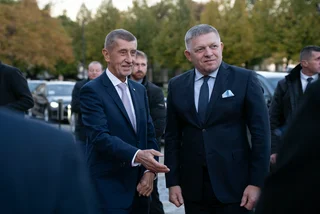
The Dublin talks come a day after Babiš and Slovak Prime Minister Robert Fico rejected German Chancellor Friedrich Merz’s call for every EU country to contribute toward Ukraine’s budget needs next year.
Speaking at a joint Czech-Slovak government meeting in Bratislava on Tuesday, Babiš called threats between member states unacceptable. Fico described the German approach as blackmail.
Czechia, Slovakia and Hungary previously secured exemptions from guarantees for an EU loan to Ukraine. Further funding remains under discussion, with disagreement over how it should be raised and shared.
Babiš’s planned conversation with Zelenskyy will therefore take place alongside broader European discussions about financial commitments and diplomatic influence.
The two leaders last met in May in Yerevan. After that encounter, Babiš said both Ukraine and Czechia wanted the war to end, with the question being who could mediate.
The forthcoming meeting offers another opportunity to discuss those positions directly, although neither a detailed agenda nor any expected agreement has been announced.