
 Reading time: 3 minutes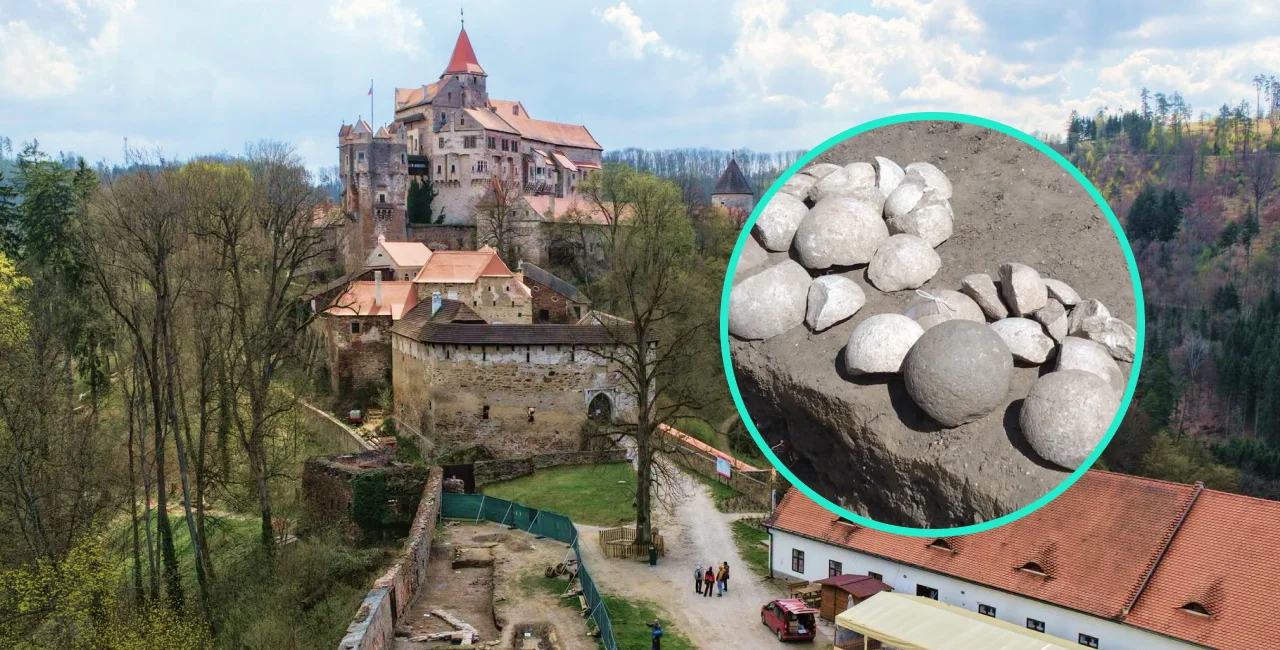

 Summary for: 'Trouser loopholes' and curiously sized balls: Czech castle dig reveals Pythonesque finds
It sounds like a scene from Monty Python and the Holy Grail: a Gothic castle with “trouser loopholes,” more than 60 oddly shaped stone cannonballs, and a siege that was once dismissed as a medieval misunderstanding.
But archaeologists working at Pernštejn Castle say they have found evidence of a previously unknown siege that had long been dismissed as fiction.
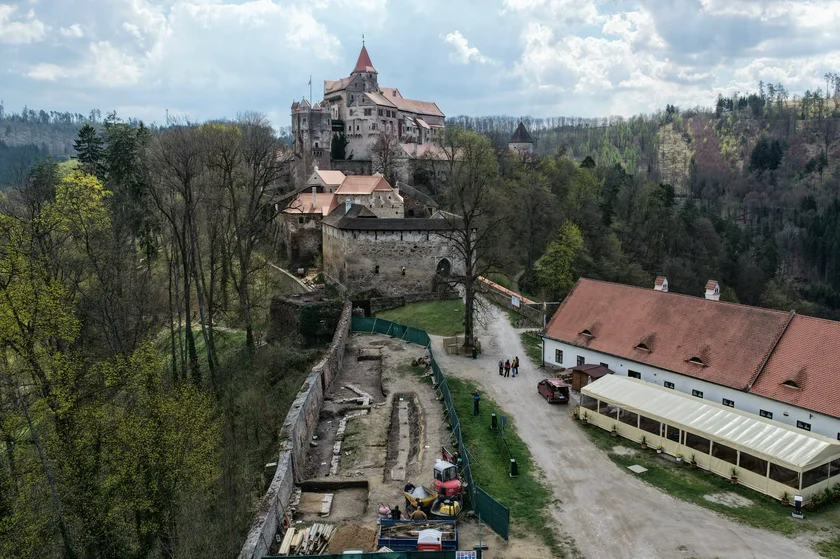
The discovery was made during archaeological research on the castle's first outer fortification, where researchers have been working since the end of April in connection with repairs and structural stabilization of the northeastern wall.
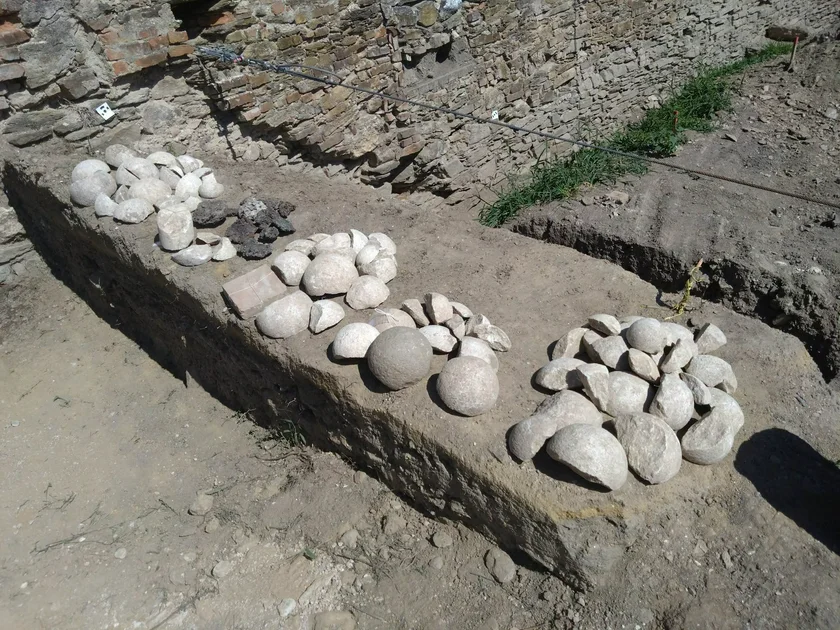
Research leader Miroslav Dejmal of Archaia Brno told ČTK that the more than 60 fragments are stone cannonballs that appear to have been fired into the castle.
“The size of these balls does not correspond to the only documented siege of the castle by the Swedes in 1645; it must have been an older siege, perhaps from the 15th century,” Dejmal said.
An intriguing chapter in Pernštejn's history
A 1424 siege of the then-Hussite castle by Catholic forces is mentioned by a single Baroque chronicler. Because no other surviving documents appeared to confirm the event, the account was previously believed to have been invented.
“The siege ... is mentioned only by a single Baroque chronicler. However, because there were no documents about this event, it was believed that he had invented the siege. However, the discovery of these balls suggests that he was right,” Dejmal said.

The cannonballs aren't the only unusual discovery. The first outer wall contains a distinctive defensive feature known as “trouser loopholes” (kalhotové střílny). Each has one opening on the inner face of the wall and two on the outer face, creating a shape resembling a pair of trousers.
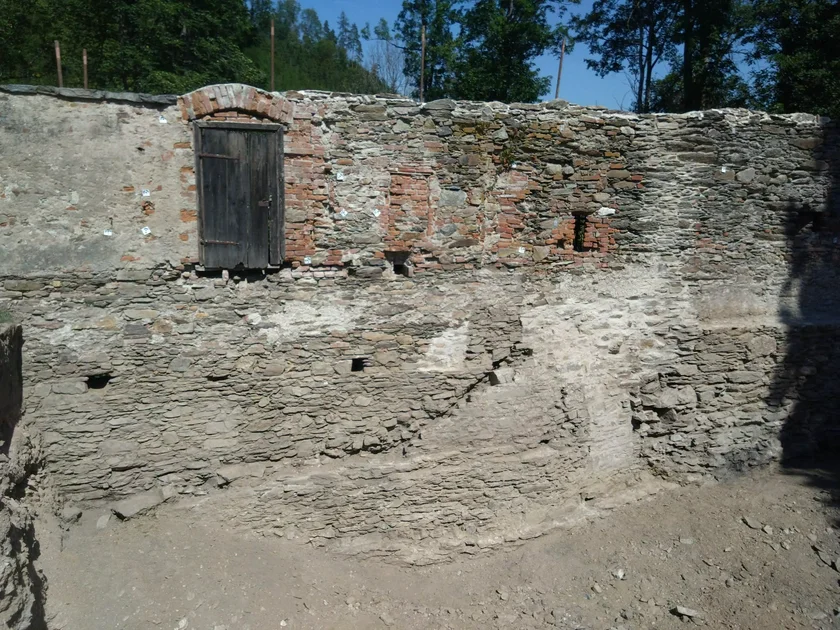
According to Dejmal, the loopholes are essentially unique in Czechia. “This wall is quite unique,” he said. The adjacent Nedvědická Gate is also part of the fortification system and features the same type of loophole.
The wall and gate formed a relatively advanced fortification system built in the first half of the 16th century. The design may have been influenced by fortifications in Hungary, which at the time were strongly influenced by Italian military engineers.
Researchers believe the fortification was probably built under Jan IV of Pernštejn, perhaps partly in response to the Ottoman threat of the period and partly as a display of the power and status of the castle's owners.
A castle rebuilt after its defenses became obsolete
The archaeological research has documented several stages in the castle's development. The oldest discovery is the remains of a large farm building dating from around the turn of the 15th and 16th centuries. The building was more than 30 meters long and at least five meters wide.

Later layers relate to the construction of the fortifications themselves and contain fragments of relief chamber tiles and waste from iron production.
The northern section of the wall was destroyed sometime in the 17th century or early 18th century. A temporary palisade or fence was subsequently built there before the wall was repaired in the second half of the 18th century. Interestingly, the trouser loopholes were rebuilt as well.
By then, the fortification could no longer perform a meaningful military role. Researchers believe the castle was still considered a country fortress; however, its defenses were restored in essentially the same form.
The result was a striking example of a fortification retaining its historic appearance even after its practical military purpose had disappeared.
The biggest archaeological haul yet
The cannonballs and fortifications are part of a much larger collection of finds. Archaeologists have uncovered fragments of kitchen and garden pottery, coins, fittings and other small metal objects, along with pieces of stove and building ceramics.

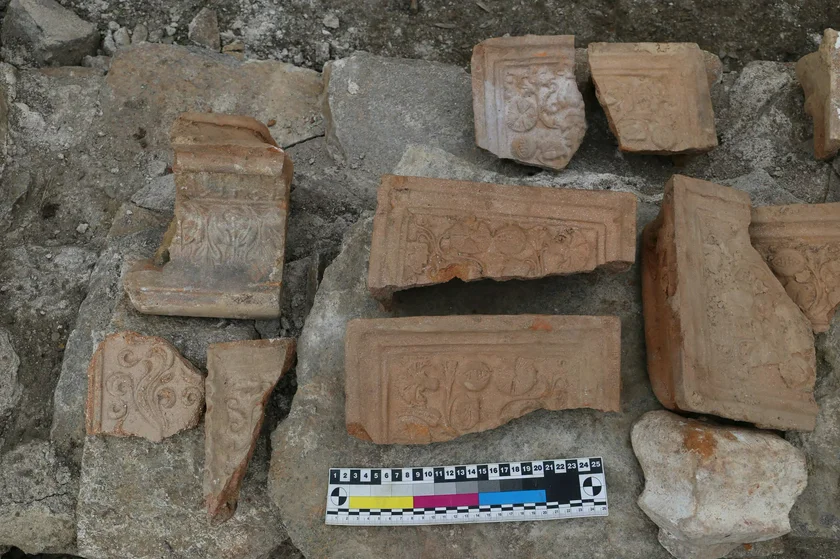
The research has also revealed remains of several farm buildings and traces of a garden that survived at the site until the beginning of the 20th century.
The excavation area covers about 45 by 5 meters and represents the largest collection of archaeological finds recovered from Pernštejn Castle to date.
Researchers are expected to continue working at the site until the end of August.