
 Reading time: 2 minutes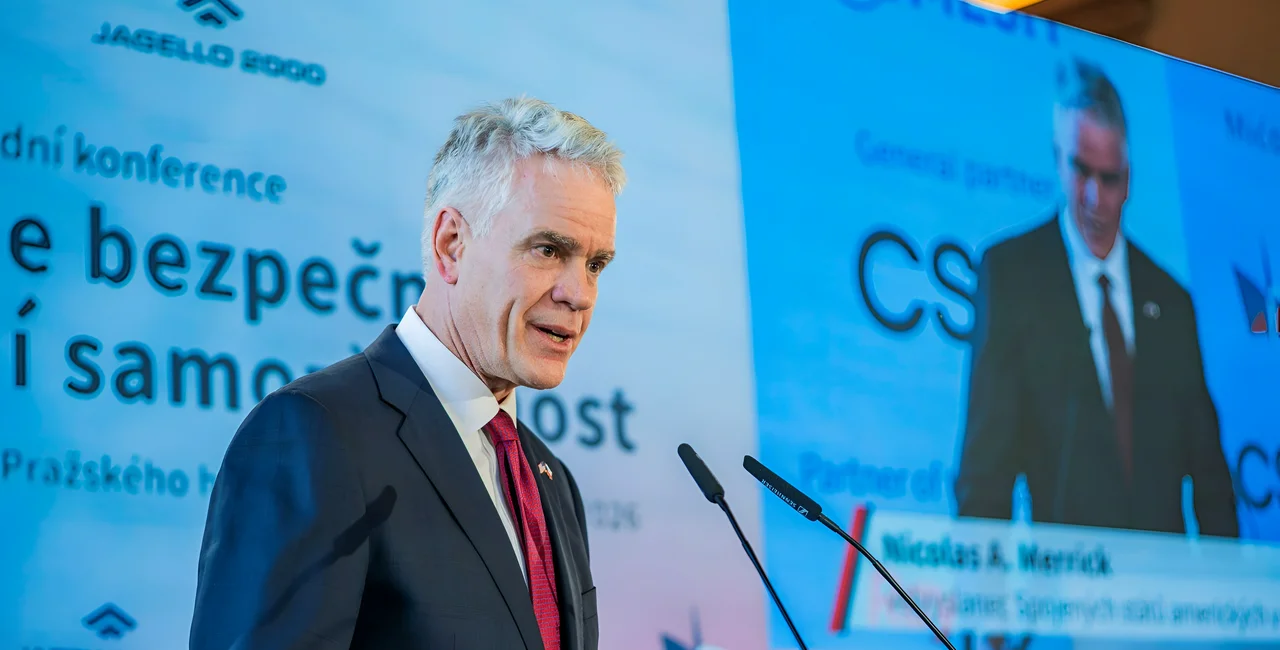

 Summary for: Washington presses Prague on defense spending as Russian threat grows
Czech military and security officials warned Thursday that Russia is growing more dangerous as Western support for Ukraine persists, while the U.S. ambassador used the same stage to publicly pressure Prague over defense spending that risks falling among NATO's lowest.
The warnings emerged from a high-level security conference at Prague Castle titled Our Security Cannot Be Taken for Granted, one that painted a picture of a deteriorating threat environment Czechia may be financially unprepared to meet.
The Russian threat is escalating
Army Chief of Staff Karel Řehka told the conference that Russia's frustration with continued Western backing for Ukraine is likely to drive an increase in sabotage, cyberattacks, and deliberate destabilization across Europe.
He did not rule out Russia triggering a localized armed conflict, including a direct confrontation with a NATO member state.
Řehka flagged a specific emerging danger: drones now give Russia the ability to deploy chemical and biological weapons, capabilities it holds in significant quantities, far into the European interior. He also warned against assuming a ceasefire would resolve the underlying threat.
"Russia is systematically preparing its society for armed confrontation with the outside world," he said. "We are watching all the indicators."
Washington turns up the pressure
Against that backdrop, U.S. Ambassador Nicholas Merrick delivered an unusually direct public rebuke of Czech defense spending.

At around 1.8 percent of GDP this year, Czechia risks ranking among the lowest spenders in the Alliance, he said, at a moment when NATO allies collectively committed last year to reach 3.5 percent of GDP by 2035, plus an additional 1.5 percent in related non-military investment.
"If Czechia fails to fulfill its commitments, it impacts the entire Alliance," Merrick said, stressing the targets were not an American demand but a sovereign agreement among allies.
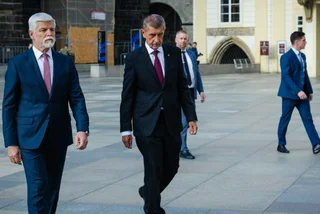
Prime Minister Andrej Babiš acknowledged Czechia is not on track to meet the 3.5 percent target, citing a 90-billion-crown inherited budget deficit and competing priorities in healthcare and social spending. He put this year's defense allocation at approximately 2.1 percent of GDP.
Prague Castle's response
President Petr Pavel, also addressing the conference, framed the stakes in starker terms, noting that the argument predates Trump. U.S. presidents have been making the same case for twenty years, he said, just more diplomatically.

Pavel, a former NATO general, warned that an increasingly aggressive Russia was already in a state of conflict with Europe, "just not yet fought with conventional means."
The Czech president added that recent developments in the Middle East were "dramatic, highly unpredictable" and would have a clear impact on European security.
"How can we expect others to fulfill 100 percent of Article 5 when we are fulfilling less than 50 percent of our share of responsibility?" he asked.