



 Reading time: 3 minutes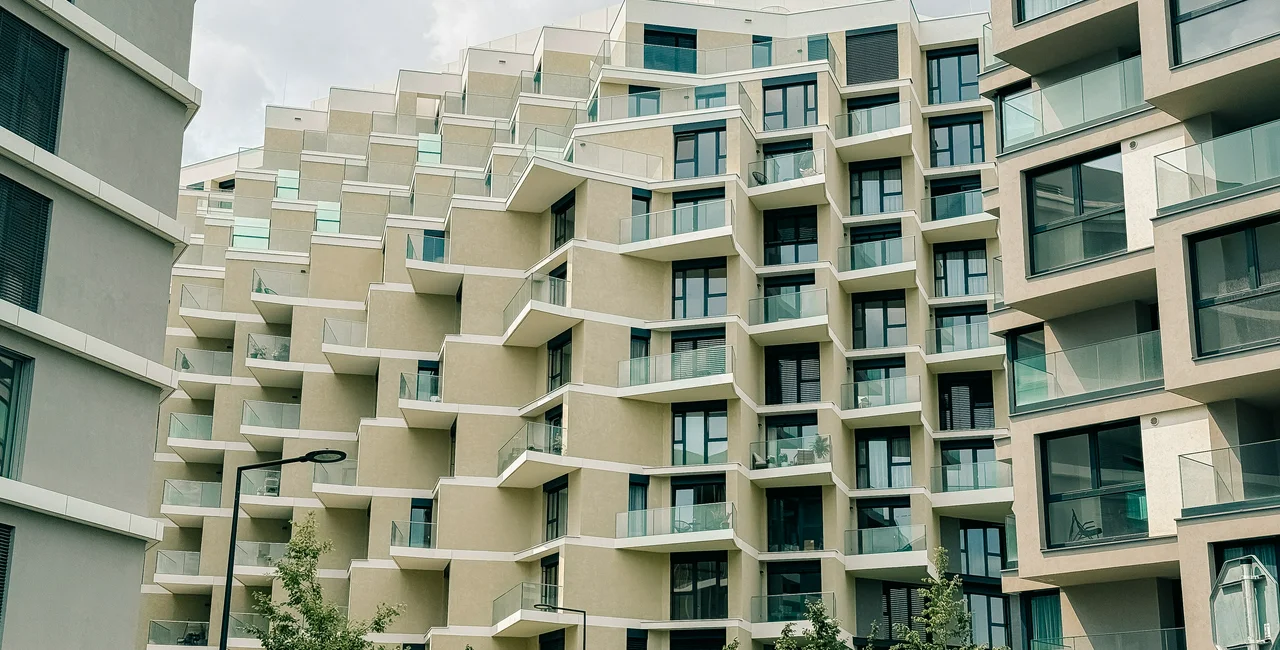

 Summary for: Prague's build-to-rent boom: Thousands of new apartments could be coming
Thousands of new apartments designed specifically for renters are in the pipeline for Prague, as developers and institutional investors expand a form of housing already common in other European cities.
Known as "build to rent," or BTR, the model differs from Prague's traditional rental market because entire apartment buildings are constructed to remain under a single professional landlord rather than being sold individually to private owners.

About 3,400 BTR apartments are currently operating in Prague, with thousands more under construction or in preparation. Around 1,000 new units are expected to reach the market annually in both 2027 and 2028, according to property consultancy BTR Group.
Demand is already strong. Established projects report vacancy rates of just 1 to 2 percent, although renters generally pay significantly more for these newer, professionally managed homes.
What is build-to-rent housing?
Instead of buying apartments from a developer, residents sign leases with the company or investment group that owns and manages the entire building.
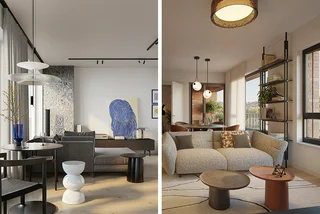
Projects typically offer newer apartments alongside professional maintenance and additional services or shared facilities. The model can also give tenants an alternative to dealing with individual private landlords.
But that convenience comes at a price. Average rent in Prague's BTR projects reached CZK 562 per square meter during the first half of 2026, according to BTR Group, about 24 percent above average asking rents advertised on property portals.

More recent market data cited by iDnes.cz puts premium BTR rents above CZK 600 per square meter, compared with around CZK 453 for standard rental apartments.
For a 50-square-meter apartment, CZK 600 per square meter would translate into a base monthly rent of around CZK 30,000 before utilities and other charges.
Despite the premium, occupancy is high. Older projects have vacancy rates of around 1 percent, while those launched in 2024 are about 98 percent occupied. Overall vacancy rose to 5 percent in the first half of this year, largely because newly opened developments are still filling up.

Prague's BTR apartments also tend to be compact. One- and two-room layouts dominate the market, with an average size of about 49 square meters. Developers are increasingly considering micro-apartments, with the smallest units potentially measuring only 18 or 19 square meters.
Thousands more rentals planned for Prague
The sector remains relatively small compared with Prague's overall housing market, but its pipeline is substantial.

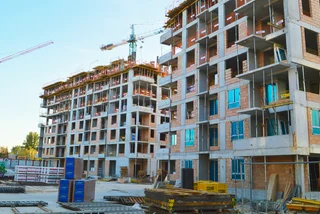
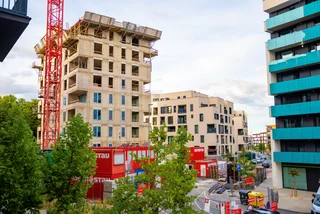
About 15,000 BTR units are currently operating, under construction or at some stage of preparation in the capital. Of those, 22 percent are already open, 16 percent are being built and 62 percent remain in preparation.
Another 4,870 units across 23 projects are classified as affordable rental housing, where rents are generally required to remain below prevailing market rates. Almost 70 percent of those homes are still in preparation.
The market is also expanding beyond premium apartments. Institutional rental housing in Prague currently consists of about 61 percent conventional BTR apartments, 23 percent student accommodation and 16 percent affordable housing.
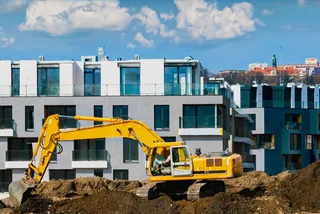
Developers are meanwhile looking at ways to build rental housing faster. One option highlighted by industry representatives is hybrid construction, in which standardized concrete and timber components are manufactured away from the construction site and then assembled into buildings.
Proponents say the approach could cut construction times substantially, although the larger challenge facing Prague remains getting enough housing projects permitted and built to meet demand.
The BTR pipeline nevertheless represents a significant shift for a city where renting has traditionally meant leasing an individually owned apartment.

For Prague renters, the coming wave should mean more professionally managed apartments to choose from. Whether it improves affordability is another question: so far, the strongest growth in build-to-rent housing has been at the premium end of an already expensive market.