



 Reading time: 2 minutes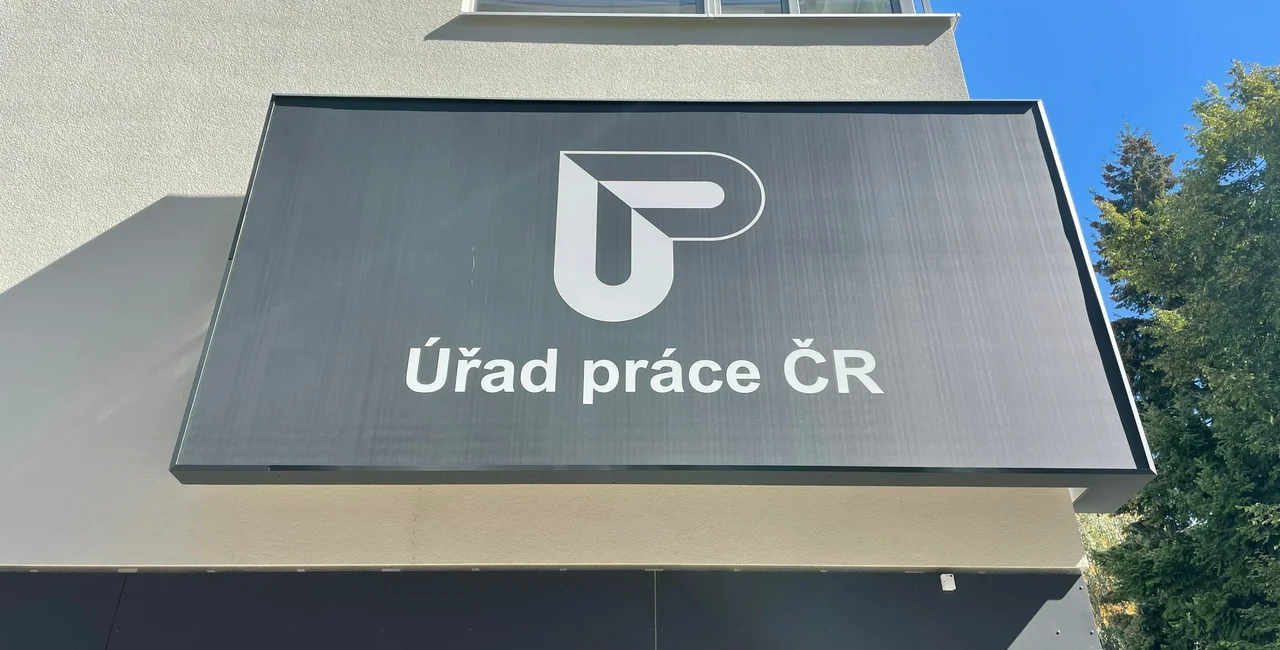

 Summary for: Long-term unemployment on the rise despite resilient Czech job market
Nearly 130,000 people in Czechia have been looking for work for more than a year, an increase of 17 percent from the same period in 2025, according to the latest labor-market data.
Long-term unemployment is continuing to rise even as the country’s overall registered unemployment rate has remained unchanged at 5 percent for two consecutive months. Almost 374,000 people were registered as job seekers at the end of August.
Czechia still has one of the EU’s strongest labor markets, but the headline rate obscures growing difficulties for younger applicants, people with less education and residents of regions with few suitable vacancies.
Education increasingly divides job seekers
People searching for work for more than a year now account for nearly one-third of registered applicants, UniCredit Bank economist Jiří Pour told Novinky.cz.
Approximately 29 percent of this group have only primary education or less. By contrast, people with a master’s degree or higher represent 8.4 percent of the long-term unemployed.

The divide is particularly pronounced among younger workers. Between 2023 and 2025, the unemployment rate for people ages 15 to 24 without secondary education approached 25 percent in Czechia, compared with less than 21 percent across the EU.
A lack of work experience makes it more difficult for young people to secure their first stable position regardless of their educational background. Around half find work within two months, but approximately 15 percent remain unemployed for longer than a year.

Czechia is moving against the wider European trend, Czech Statistical Office labor-market expert Dalibor Holý said. Long-term youth unemployment has recently declined across the EU, while the average Czech job search is becoming longer.
The problem extends beyond the youngest applicants. Czechs in their 30s without secondary education had an unemployment rate of almost 14 percent, compared with around 11 percent across the EU. Similar, though less pronounced, differences were recorded among people in their 40s.
Vacancies fail to match applicants’ skills
The type of previous employment also affects a person’s prospects. Specialists such as doctors, lawyers and programmers, along with technical professionals, have unemployment rates of around 1 percent.
The rate is approximately 2 percent among administrative employees and around 3 percent for sales and service workers. For elementary and unskilled occupations, it ranges between 6 and 8 percent.
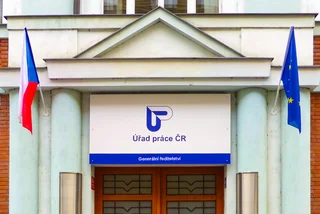
Employers continue to report shortages in fields including machine operation, road freight, technical work and manual trades. At the same time, administrative, interpreting and translation vacancies can attract dozens of applicants.

This mismatch means that available positions often require different skills from those held by registered job seekers. Retraining can help, but analysts say courses are most effective when connected to a specific employer and a realistic job offer.
Location presents another obstacle. Prague, Central Bohemia and some regional capitals offer considerably more opportunities than districts such as Karviná and Sokolov, where applicants significantly outnumber available positions.
Older applicants face additional disadvantages. Around half of Czechia’s long-term unemployed are at least 50, and some encounter employer prejudice alongside health limitations, outdated qualifications or difficulty commuting.
The result is a layered problem: applicants most likely to remain unemployed are frequently affected by several disadvantages simultaneously. The longer they remain outside the workforce, analysts warn, the harder their eventual return becomes.