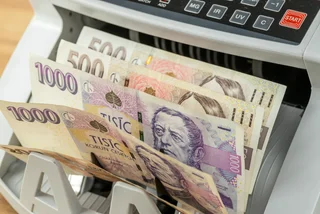
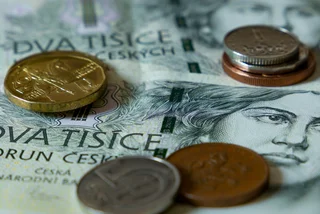
Digital investment platforms have opened investing up to the general public, but there’s a catch. You can now invest from anywhere, into almost any instrument, at any time – but you’re still tied by specific, non-negotiable tax rules in the country where you live.
Expats in Czechia who want to start investing, as well as those who already are, need to be on top of local tax requirements before they put their money to work. A nasty surprise in your end-of-year tax return could make a significant impact on any gains you make.
Expats.cz delved into the ins and outs of Czech tax rules around investments to find out when investments become taxable, and in which circumstances you can enjoy investment returns tax-free.
Why do new investors overlook tax?
Starting to invest is the sort of step that many of us keep putting off. Putting your money into investments that could lose as well as gain value is daunting.
Jan Stránský, Wealth Manager at Wood & Company, tells Expats.cz that “barriers preventing expats in Czechia from investing are more innate than practical. In many ways, they’re no different to the barriers that Czech citizens have.”
The language barrier “does play a role,” he adds. This is especially problematic for expats when it comes to understanding specific local elements, such as Czech tax rules, which can’t be overlooked.

Want to continue reading the rest of this article?
Unlock full access, or continue for free
Become a Member
- Read all member articles on Expats.cz
- Enjoy an ad-free reading experience
- Attend member-only community events
- Receive exclusive newsletters and offers
Interact with article
- Listen to audio versions of stories
- Customize alerts and save articles
- Catch up fast with quick summaries
Become a Member
Create a free account
- Read up to 3 member articles / month
Interact with article
- Customize alerts and save articles
- Catch up fast with quick summaries
Continue for free
Already a member? Sign-in now
Want to see more from us? Select Expats.cz as a
preferred source on Google.





 Reading time: 7 minutes

 Summary for: Investing in Czechia: How to make your money work without triggering taxes
 Why do new investors overlook tax?