 Reading time: 2 minutes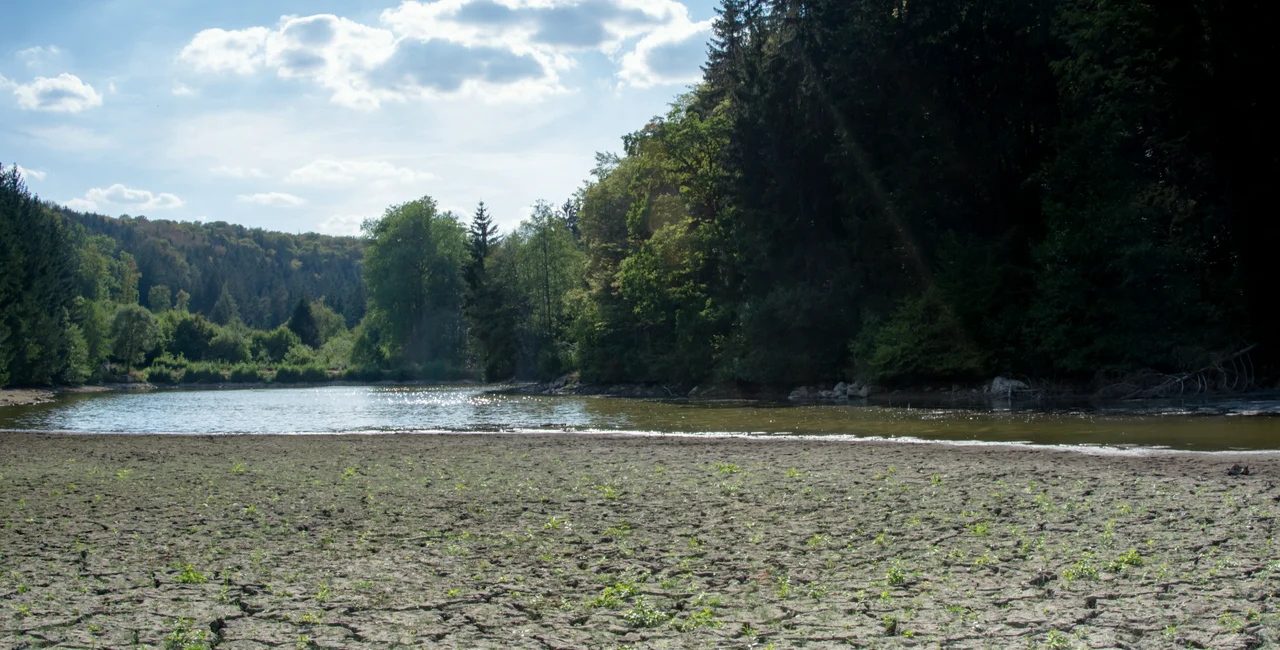

 Summary for: Czechia records third-driest start to year since 1961
Czechia experienced its third-driest first nine months of the year since nationwide records began in 1961, according to preliminary data from the Czech Hydrometeorological Institute (ČHMÚ).
The country received an average of 395 millimeters of precipitation between Jan. 1 and Sept. 30, equivalent to 73 percent of the 1991–2020 average.

Only 2003 and 2015 recorded less precipitation during the same nine-month period.
Country missing 150 liters per square meter
ČHMÚ estimates that Czechia received approximately 150 millimeters less precipitation than normal through the end of September.
That represents a shortfall of around 150 liters of water for every square meter of land.
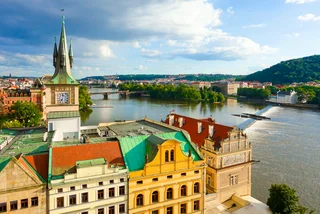
“This year, our territory has lacked approximately 150 millimeters of precipitation compared with the 1991–2020 normal,” meteorologists said.
The deficit affects the entire country, including mountain regions that typically receive the largest amounts of rain and snow.

Conditions are also drier than in 2025, itself considered a precipitation-poor year. During the first nine months of last year, Czechia recorded 456 millimeters of precipitation, equivalent to 84 percent of normal.
South Moravia has received the least precipitation of any region this year, recording an average of slightly below 300 millimeters.
The Liberec Region has recorded the highest regional total at 532 millimeters, although that figure also remains below the long-term average.
Šumava stations report exceptional shortages
Some of the most significant deficits have been recorded in the Šumava mountains, where precipitation has reached only 60 to 70 percent of its usual level.
The Churáňov weather station received 525 millimeters between January and September, approximately 61 percent of normal. It was the lowest total recorded there for the period since measurements began in 1953.
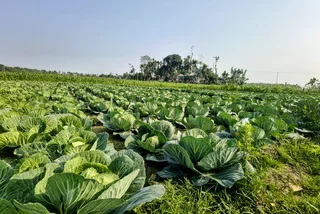





At Blatný vrch on the Czech-German border ridge, 916 millimeters fell, equivalent to 60 percent of the long-term average.
The highest station totals in Czechia were recorded in the Krkonoše mountains. Dvoračky measured 1,044 millimeters, while Labská bouda received 1,012 millimeters.
Despite exceeding one meter, precipitation at both traditionally wet mountain stations remained below normal for the year.
Low precipitation does not automatically mean that every part of the country is experiencing the same degree of agricultural, soil, or hydrological drought. Those conditions also depend on factors including temperature, evaporation, river flows, groundwater, and local rainfall distribution.
ČHMÚ publishes weekly assessments of precipitation, soil moisture, groundwater, and river conditions through its official drought-monitoring portal.