Foreign Minister Petr Macinka has reopened the debate about moving Czechia’s embassy from Tel Aviv to Jerusalem, saying the step could serve as a symbolic gesture if conditions in the region improve significantly.
Speaking to ČTK during Prime Minister Andrej Babiš’s visit to Israel, Macinka said he personally favored relocation but acknowledged that the decision required consideration of wider consequences.
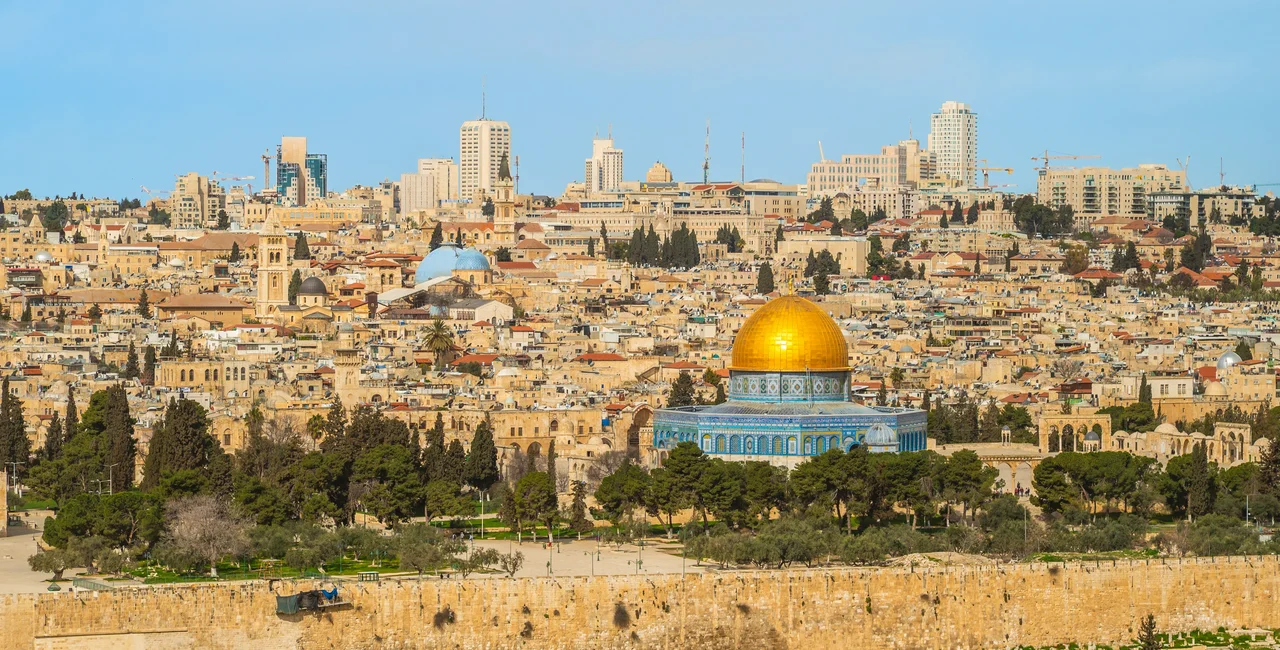
He did not announce a decision or timetable. The embassy remains in Tel Aviv, with a branch office in Jerusalem that has operated since April 2021.
Embassy move linked to regional improvement
“Moving the embassy could be a symbolic gesture after the situation in the region changes for the better,” Macinka said.
He placed greater importance on improvements to security and humanitarian conditions, which he said would have a substantial effect on people in Israel, Gaza and the wider region.
Jerusalem’s status remains one of the central disputes in the Israeli-Palestinian conflict.
Israel considers the entire city its capital, while Palestinians claim East Jerusalem as the capital of a future Palestinian state. Most countries consequently maintain their embassies in Tel Aviv.
Czechia’s Jerusalem branch was established to strengthen bilateral relations and facilitate communication with Israeli authorities. Moving the embassy itself would represent a further diplomatic step.
Macinka’s remarks bring the question back into political discussion while making improved regional conditions central to his proposed approach.
More aid announced as minister discusses Gaza access
Macinka also said he had approved approximately CZK 10 million in additional humanitarian assistance in recent weeks.
He said Czech authorities carefully check where aid is directed to ensure it reaches people in need rather than Hamas or individuals connected to the group.
Humanitarian access was among the subjects discussed Monday with Israeli Foreign Minister Gideon Saar. Macinka said the Israeli explanations had substantially reassured him.
According to the minister, Israeli officials explained that some supplies, including large tents, could be held back because components might have both civilian and military uses.
Macinka also relayed an Israeli assurance that everyone in Gaza currently had some form of shelter, whether a tent or another refuge. That was an account supplied by the Israeli side, rather than an independently established assessment of conditions.
The talks also covered access to food, water and healthcare.
Extensive fighting between Israel and Hamas has damaged civilian infrastructure and displaced much of Gaza’s population. Many people continue to live in makeshift shelters and face shortages of food, drinking water and medical care.
Humanitarian organizations have repeatedly warned about obstacles to delivering assistance. Those continuing needs form the backdrop to Macinka’s discussions, alongside the longer-term diplomatic question of where Czechia should locate its embassy.