


 Reading time: 3 minutes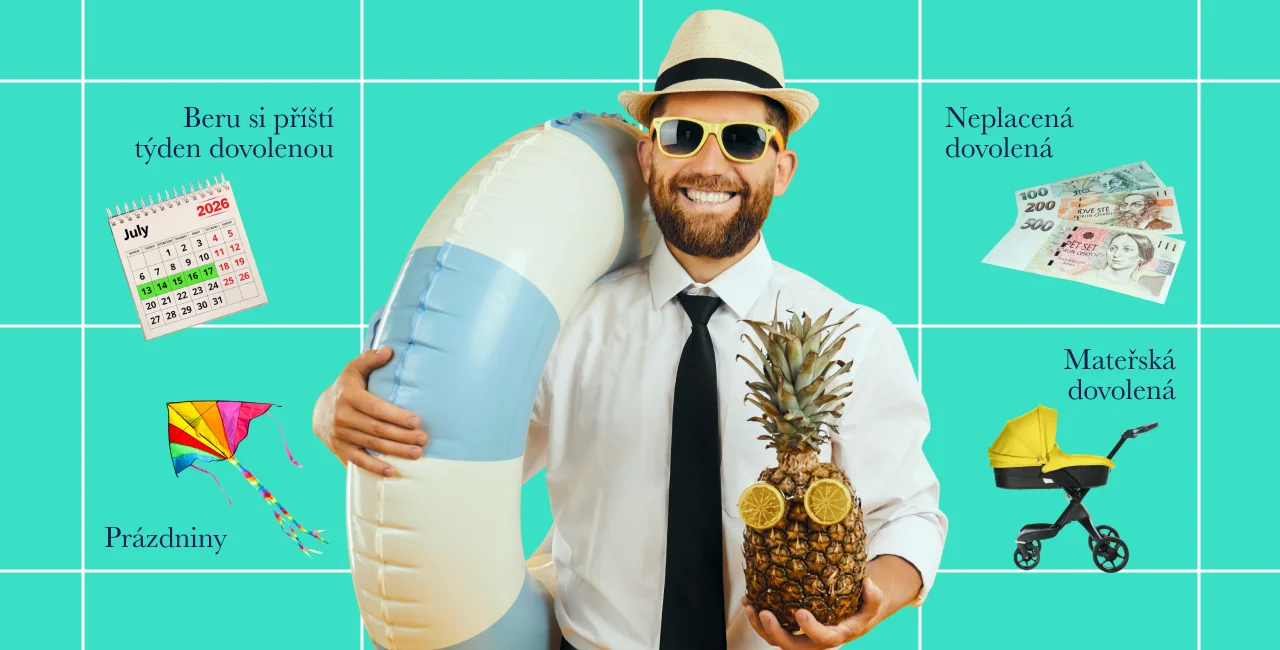

 Summary for: 'Dovolená' explained: Why the Czech word for vacation means permission
With the arrival of summer comes the season of travel, holidays, and time off work. In Czech, many of these situations are connected by a single word: dovolená.
The word dovolená itself derives from the verb dovolit (“to allow” or “to permit”). Originally, it referred to something that was “permitted”; time during which a person was officially allowed not to work. This meaning is still visible in Czech today.

But the word itself carries more history than it might first appear.
Dovolená derives from the verb dovolit ("to allow" or "to permit"). Grammatically, it is the nominalized form of the adjective dovolený, meaning "that which is permitted." Time off, in other words, was not assumed. It was granted.
This is not so different from English: "vacation" comes from the Latin vacare, meaning to be empty or released from obligation, implying a temporary reprieve rather than a right. But Czech preserved the permission structure in a more direct way. The word doesn't just suggest freedom; it encodes authorization.
Leaving the republic: A history
For Czechs of a certain generation, this is not merely etymological. For more than 40 years under communist rule, travel abroad, particularly to Western countries, required explicit state permission.
Citizens needed a special exit visa, and obtaining one meant employer endorsements, security vetting, military clearance for men, and an allocation of foreign currency from the state bank.
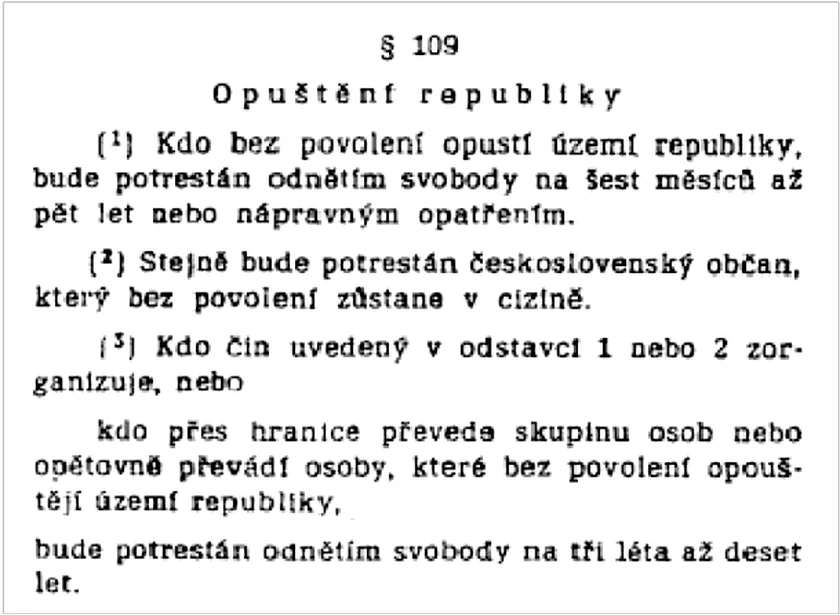





Requests could be denied without explanation, and were routinely refused for anyone considered politically unreliable. The exit visa was abolished only in December 1989, in the final days of the Velvet Revolution. For those generations, dovolená and permission were not metaphorically linked. They were the same thing.
Today, the word has shed those associations in everyday speech. Most Czechs associate dovolená with travel, rest, or a few days (or weeks if you're lucky) off in summer. But the structure of the word still shows its history.
essential vocabulary
Dovolená
The basic Czech word for time off or a period away from work. Most Czechs associate it with travel, rest, or a few days off during the summer.
Letní / zimní dovolená (summer / winter vacation)
The word dovolená is most commonly associated with summer, but the expression zimní dovolená is also widely used, often associated with trips to the mountains or skiing.

Vzít si dovolenou (to take time off)
A very common expression used for taking leave from work in general, even if a person is not traveling anywhere.
“Beru si příští týden dovolenou” (“I’m taking next week off”) can mean a trip to the seaside as well as simply staying at home for a few days.
Placená / neplacená dovolená (paid / unpaid leave)
Expressions used mainly in professional and administrative contexts.
Mateřská dovolená / rodičovská dovolená (maternity leave / parental leave)
The word dovolená is also used in Czech in connection with childcare and parenting. This sometimes sparks debate, since caring for a small child is not something most people would associate with a vacation.

Dovča
A very common informal shortened version of the word dovolená. A sentence like “Jedeme v srpnu na dovču” sounds much more casual and natural than the full form.
Prázdniny (school holidays)
While adults have dovolená, children have prázdniny. This word is associated mainly with school and the summer break for pupils and students.
Czech therefore uses the word dovolená for rest, time off work, and even childcare. And during the summer, together with prázdniny, it becomes one of the most frequently used words of the season.
A 1984 classic from Czech pop singer Arnošt Pátek, Poslední prázdniny ("Last Holidays") captures a very familiar Czech summer standoff: she wants the sea, he wants the mountains of Šumava, but both go nowhere at all (just a fake set in Prague)!