Beyond the posters: New Prague exhibition explores Alfons Mucha's wider world
Central Gallery's new permanent presentation looks beyond Mucha's famous Art Nouveau posters to his photography, design and influence on contemporary art.

Elizabeth Zahradnicek-Haas

Written by Elizabeth Zahradnicek-Haas Published on 19.08.2026 15:36:00 (updated on 19.08.2026) Reading time: 4 minutes
If you've lived in Prague for any length of time, you're familiar with the Alfons Mucha aesthetic. Working at the turn of the 20th century, the Czech artist helped define the visual language of Art Nouveau, giving the movement its instantly recognizable combination of languid women, flowing hair, and floral motifs, now reproduced on everything from magnets to mouse pads across the city.

Mucha fatigue, like Kafka fatigue, will also be a familiar sensation to anyone who's unable to separate the artist from his ubiquitous presence, making it easy to forget exactly what made him special in the first place.

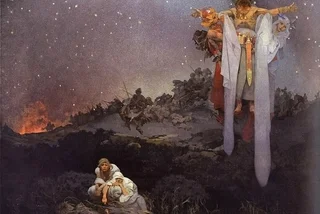
To add to the fray, Prague now has two rival Mucha museums, just a few hundred meters apart, while the fate of his monumental Slav Epic, which has dominated headlines for a decade, remains unsettled. The 20 paintings are currently on display in Moravský Krumlov after Prague extended their loan there through 2031.

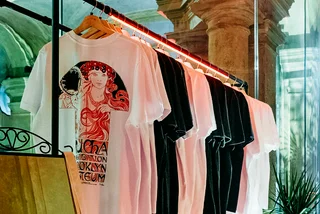
A new permanent exhibition at Central Gallery on Old Town Square wants to remind us that Mucha was more than biscuit-tin motifs and legacy battles.

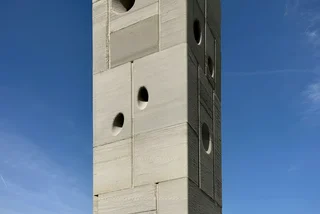
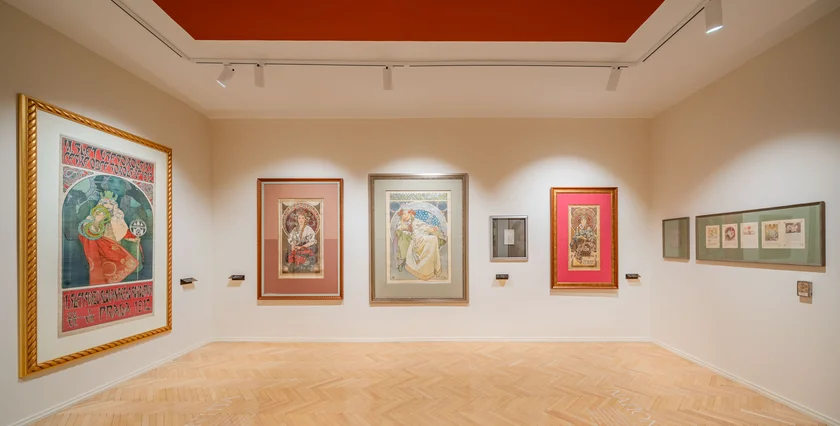
Central Gallery. Photo by Tomáš Rubín

He was also a photographer, designer, and experimenter who believed art should permeate everyday life while remaining accessible to everyone.

“We did not want to create another exhibition about Mucha, but an exhibition about why his aesthetic is still relevant today,” says exhibition curator Helena Kočíková.

From posters to photography

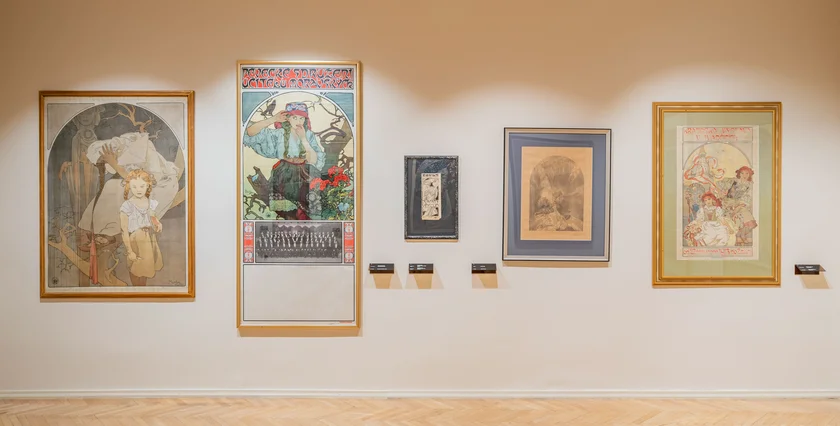
The exhibition does include some of the works that made Mucha famous, including Le Pater (The Lord's Prayer) from 1899, which combines Christian tradition, Masonic symbolism, and Mucha's belief in three fundamental virtues: beauty, truth, and love.

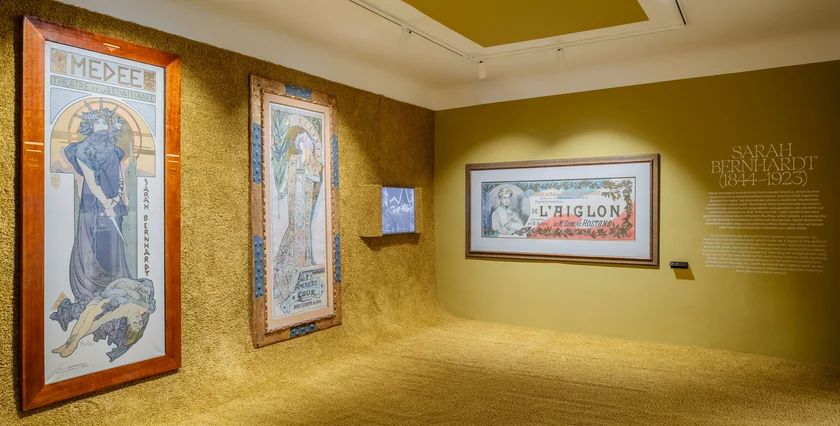
It also revisits his work for the Paris printing house of Ferdinand Champenois and his landmark collaboration with French actress Sarah Bernhardt, which helped establish Mucha as one of Europe's leading Art Nouveau artists.

Central Gallery. Photo by Tomáš Rubín

One of the more unusual stories is that of Kassa, a poster Mucha designed for American actress Leslie Carter. Its tall, narrow format drew on the visual language of his famous Bernhardt posters. The production itself was a flop; Carter eventually went bankrupt, and Mucha was never paid for the work.

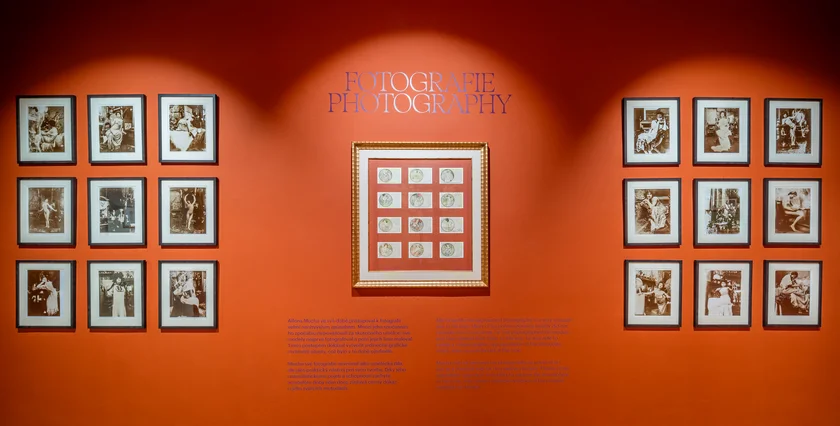
But photography is where the exhibition offers a particularly different view of the artist.

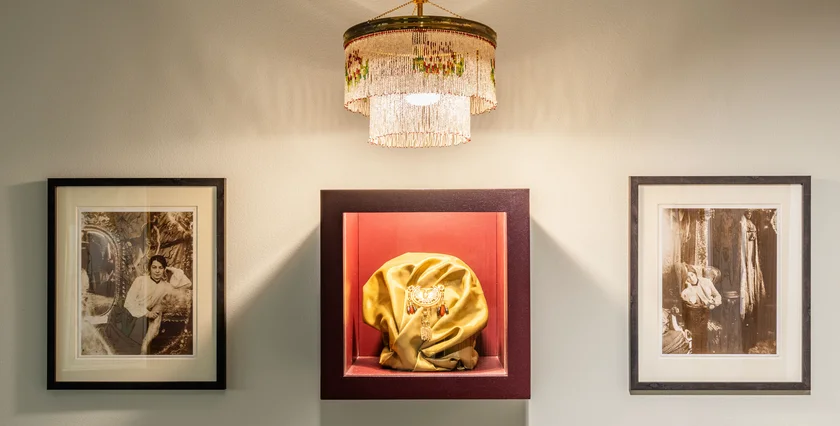
Mucha used photography as part of his creative process, taking preparatory images to work out composition, movement and lighting for his lithographs. The surviving photographs offer a glimpse into his Paris studio and the work that went into some of his best-known images.

Central Gallery. Photo by Tomáš Rubín

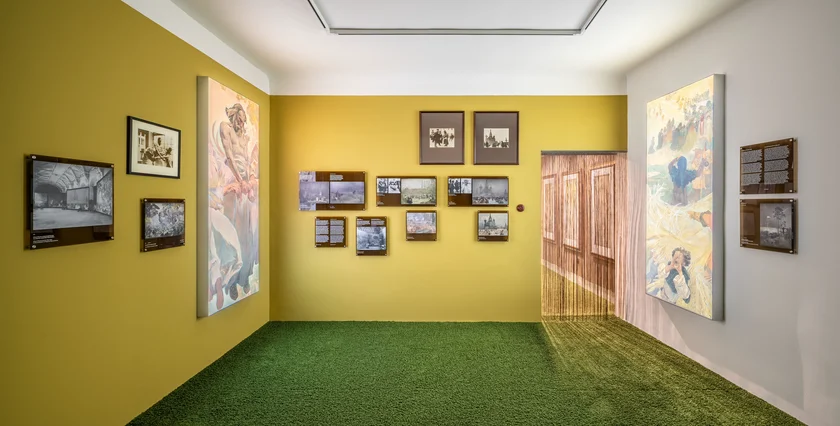
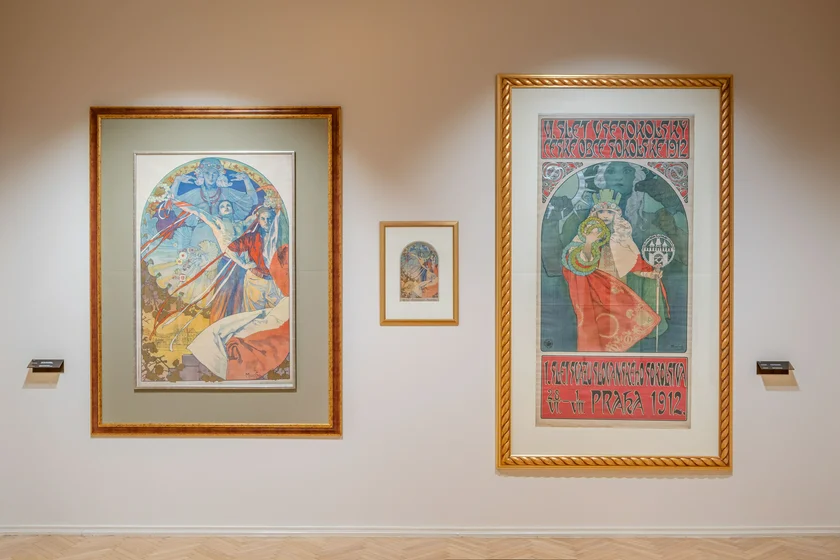
Other sections explore his commitment to Czech national identity. After returning to Bohemia in 1910, he produced work supporting Czech culture and national identity, including a poster for the National Unity Lottery, which helped fund Czech-language and history education. He also designed Czechoslovak postage stamps.

Mucha's legacy, a century later

One of the exhibition's most interesting contemporary elements is the work of Jarmila Mucha Plocková, an architect, artist and Mucha's granddaughter.

Her jewelry and engraved-glass objects draw on the ornamental lines, natural forms and attention to detail associated with her grandfather, but they don't simply reproduce his style.

Central Gallery. Photo by Tomáš Rubín

“When you put his graphics, photographs, and design alongside the jewelry of Jarmila Mucha Plocková or contemporary photographs of the Slav Epic, you realize that there is no century-long gap between them,” says Kočíková.

“They are connected by the same sensitivity to detail, craftsmanship, and beauty.”

The exhibition also displays a video by photographer Jan William Drnek, documenting his work creating large-format photographs of the Slav Epic. Drnek later used those images for Epopej, a monumental 12-kilogram book that reproduces Mucha's 20 paintings at 1:1 scale.

Central Gallery. Photo by Tomáš Rubín

The book is made from 20,000 photographs and took almost three years to produce, with more than 20 specialists involved. Limited to 200 copies, it was first exhibited at Prague's Clementinum seven years ago and cost around CZK 280,000, making it the most expensive Czech book at the time.

Mass tourism posters

The exhibition also highlights Documents Décoratifs, Mucha's 1902 collection of decorative motifs and designs, which influenced architects, designers, and craftspeople across Europe.

It reflects his belief that the beauty of Art Nouveau should not be confined to galleries but should become part of everyday surroundings and objects for ordinary people

And perhaps this is the bit that is less considered: he wasnted to bring art to mass audiences he published millions of posters and wanted saw an importance in creating beautiful yet accessbile objects for ordniary people.

Central Gallery. Photo by Tomáš Rubín

The exhibition also highlights Documents Décoratifs, Mucha's 1902 collection of decorative motifs and designs, which influenced architects, designers, and craftspeople across Europe.

It reflects a less-discussed part of his philosophy: that beauty should not be confined to galleries, but should become part of the everyday objects and surroundings of ordinary people.

Mucha was a mass-market artist long before that was a dirty word. He produced millions of posters and believed that beautifully designed, accessible objects could bring art to people who might never walk into a gallery. His work was meant to be seen, used, and lived with.

Central Gallery. Photo by Tomáš Rubín

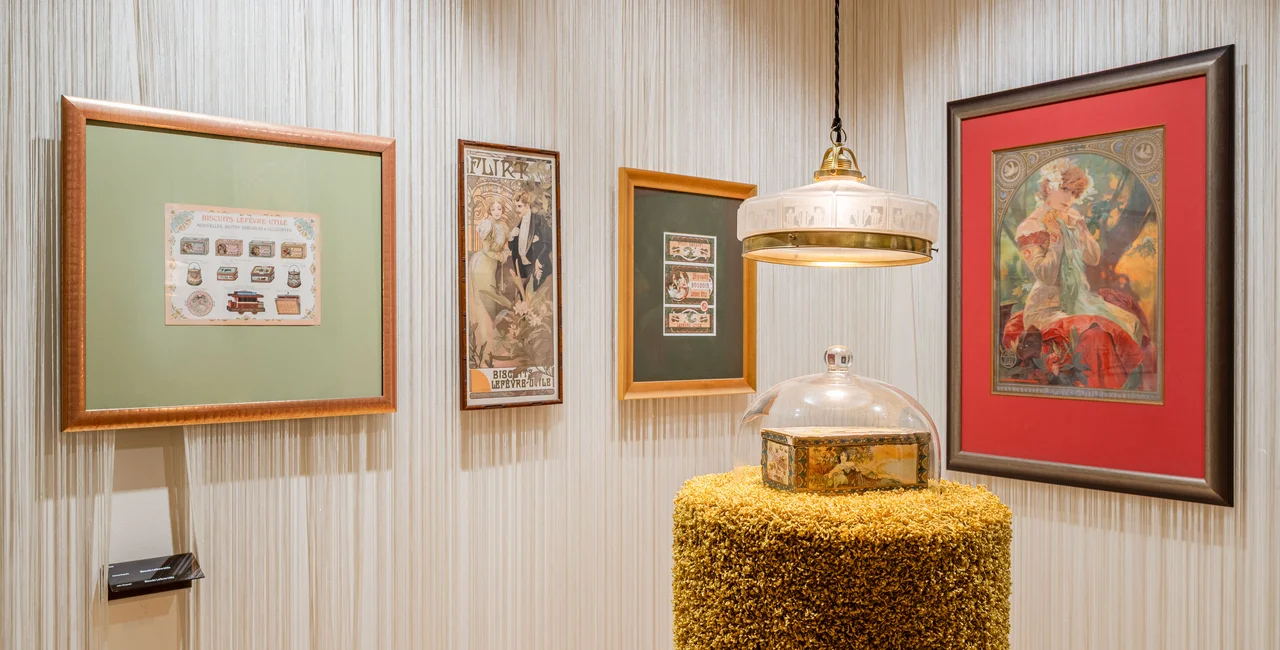
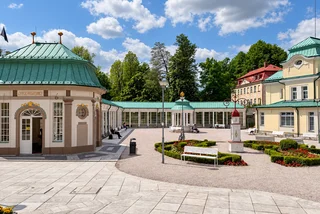
Central Gallery's location in the House at the White Unicorn (Dům U Bílého jednorožce) on Old Town Square places that philosophy in one of Prague's most commercialized corners. Yes, there is a gift shop. There is also an excellent view of the square from the gallery's third floor, reached through some wonderfully wild green shag carpeting.

While Kafka might have cringed at the selfie sticks and souvenir shops, Mucha probably would not have minded that some of those people are tourists buying souvenirs.

He might even have appreciated the fact that, more than a century later, people are still stopping to look and maybe buy a biscuit tin.

Did you like this article?

Want to see more from us? Select Expats.cz as a preferred source on Google.