



 Reading time: 2 minutes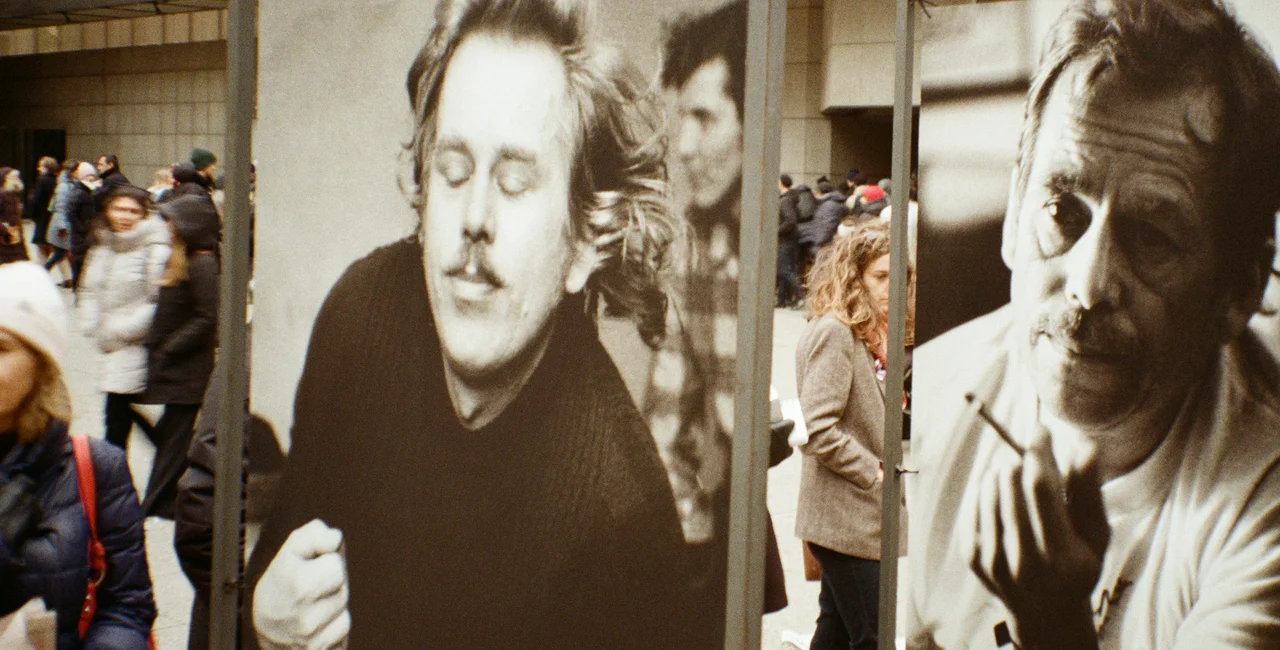

 Summary for: Czechs view Havel more positively, but political divide persists
Public perceptions of former Czech President Václav Havel have improved slightly over the past quarter-century, according to a new survey by polling agency STEM.
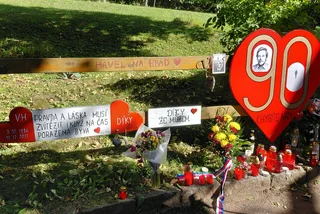
Seventy-six percent of respondents now assess Havel positively, up from 71 percent in 2002. The findings were released shortly before Oct. 5, which would have marked the former president’s 90th birthday.
Havel, a playwright and prominent communist-era dissident, was imprisoned for his political activities before becoming president of Czechoslovakia following the Velvet Revolution. He later served as the first president of the independent Czech Republic.
Young people give Havel highest marks
Havel enjoys his strongest support among younger Czechs. Eighty-eight percent of respondents aged 18 to 29 expressed a positive opinion of him, compared with 60 percent of those over 60.

According to STEM, some older critics blame Havel for problems that emerged during Czechia’s post-communist transformation. Thirty-seven percent of respondents who viewed him negatively said the country had developed in the wrong direction because of him, according to a breakdown of the survey published by Seznam Zprávy.
Across the population, Havel is most commonly regarded as an internationally important campaigner for human rights. Supporters particularly value his courage and positions under communist rule, along with his achievements in foreign policy.
His critics most frequently accuse him of contributing to the country’s negative development after 1989 or of being “blindly devoted” to the West, the United States, and NATO.

Political loyalties shape opinions
The sharpest differences appeared between supporters of Czechia’s governing and opposition parties.
Among voters who support the current parliamentary opposition—ODS, STAN, the Pirates, KDU-ČSL, and TOP 09—95 percent viewed Havel positively.

The figure fell to 62 percent among supporters of the governing coalition formed by ANO, SPD, and the Motorists. Nevertheless, Havel retained a positive assessment from a majority of voters in both political camps.
Havel served as Czechoslovak and Czech president between 1989 and 2003. After leaving office, he continued campaigning internationally for human rights and support for dissidents living under authoritarian governments. He died in December 2011 at age 75.
STEM conducted the representative survey between Sept. 14 and 20 among 1,315 Czech residents. The agency publishes its latest polling and analysis on its research findings page.