




 Reading time: 2 minutes

 Summary for: Terezín Ghetto Museum to close for major two-year reconstruction
The Ghetto Museum in Terezín will close for more than two years as the Holocaust memorial begins a major reconstruction of the building and its permanent exhibition.
The museum will close Nov. 2, with visitors expected to return in 2029. During the work, a temporary exhibition on the history of the Terezín ghetto will be available at the former Magdeburg Barracks, which will become the memorial’s principal visitor center.
The project will modernize the museum’s facilities, open previously unused parts of the building and add a distinctive illuminated extension inspired by a drawing created by a child imprisoned in the ghetto.
Tower of Light inspired by Petr Ginz
The redesign was selected through an international architectural competition that attracted 22 teams. A jury unanimously chose a proposal by the SKUPINA studio, led by Czech architect Marcela Steinbachová in collaboration with U.S. architect Steven Holl.
Its most prominent new element will be the Tower of Light, a translucent addition inspired by the life of Petr Ginz and his drawing Moon Landscape.
Ginz created the drawing while imprisoned in Terezín, imagining the Earth as seen from the surface of the moon. He was later deported to Auschwitz and murdered in 1944 at age 16.
A copy of the drawing was taken into space by Israeli astronaut Ilan Ramon aboard the Columbia shuttle in 2003. U.S. astronaut Andrew Feustel later carried another copy into orbit and presented it to the Ghetto Museum in 2019.

The architects conceived the light-filled addition as a connection between the site’s tragic history and ideas of hope and remembrance. The project also encompasses surrounding public spaces, green areas and visitor infrastructure.
New exhibition will focus on individual lives
The museum’s current permanent exhibition has been in use for more than 25 years.
“The time has come to prepare a new form that reflects contemporary museum possibilities and the needs of today’s visitors,” Terezín Memorial director Jan Roubínek said. He added that the reconstruction would significantly improve facilities throughout the building.
The new exhibition will explain the history of the ghetto while placing greater emphasis on the daily lives, cultural activities and individual stories of those deported there.

Historical photographs, documents and authentic artifacts will be presented alongside projections, interactive screens, videomapping, listening stations and three-dimensional displays. The reconstructed attic will also become part of the visitor route.

The museum received approximately 240,000 visitors last year. The final cost of the reconstruction will be determined through a public tender that the memorial expects to announce by the end of 2026.
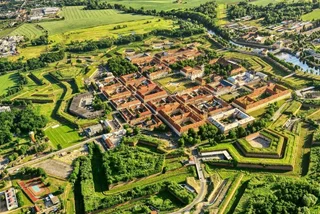
During the closure, the former Magdeburg Barracks will house the temporary central exhibition and ticket office. The memorial also plans to reopen the former municipal weigh station, which contains an exhibition about deportation transports, and direct visitors toward other less frequently visited ghetto sites.
The Small Fortress and the memorial’s other visitor locations will remain accessible during the museum reconstruction.